


Guajajara indigenous peoples promote environmental and territorial management actions in the State of Maranhão
By Andreza Andrade
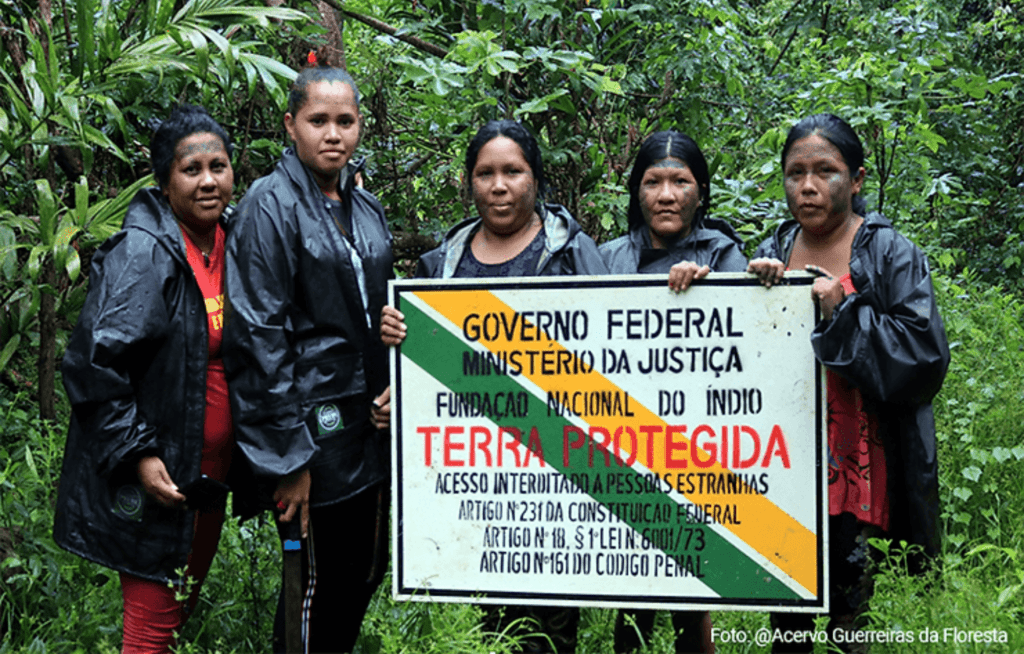
Focusing on sensitivity, solidarity and empathy, indigenous Guajajara women from the Caru Indigenous Land, located in the western region of the State of Maranhão, are taking part in environmental and territorial management actions in their ancestral lands. These women make up the Forest Warriors collective (“Guerreiras da Floresta”), which, since 2014, supports and promotes territorial protection actions alongside the Guardians of the Forest, in defense of indigenous cultures and territories.
Meeting in Baixada Maranhense discusses Community Philanthropy directly in the territory
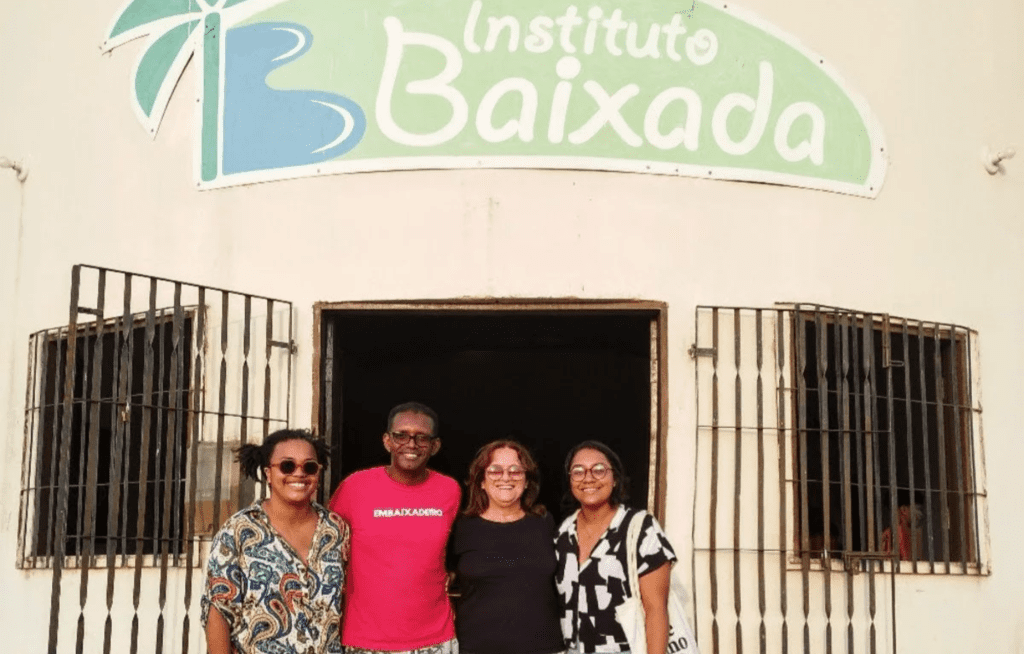
The three-day event brought together supporters, financiers, volunteers and professionals from Fundação Baixada to experience and debate community philanthropy with Baixadeiros.
By Camila Guedes
Baixadeiro is the title of those who were born in Baixada Maranhense, have the knowledge of the territory and work together for its development. Nothing could be more powerful than knowing and understanding the community from the perspective of the people who live there and share their experiences.
Collaborative philanthropy in search of territorial sustainability: reflections and lessons learned
By Bianca L Avancini, Larissa Boing, Roberto Vilela, Semíramis Biasoli, Simone Amorim, Willian Narzetti
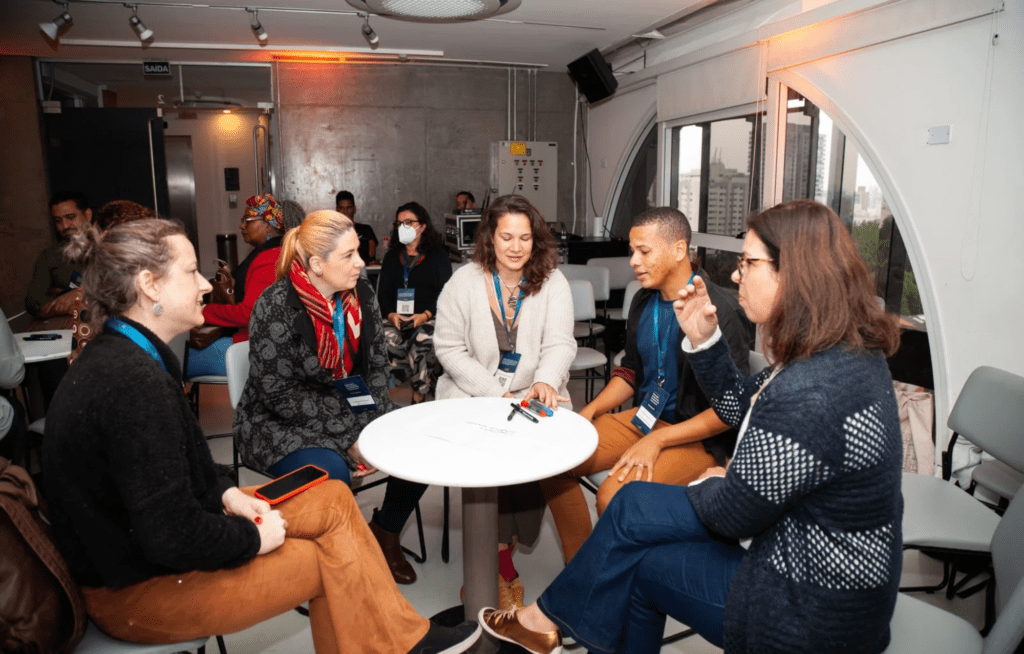
Among the various philanthropy practices existing in the Brazilian scenario, collaborative architectures have been strengthened as a path for the development of territories, from a perspective that assumes the construction of socio-environmental justice as its horizon. Forged from the praxis of various social actors, especially organizations and collectives that make up organized civil society, this is a field under construction. For this reason, it is important to deepen reflections on this way of practicing and thinking about philanthropy, having the dimension of the territory as its structuring axis.
Thematic table at the Network's 10th anniversary Seminar brought together Human Rights and the Environment
By Méle Dornelas
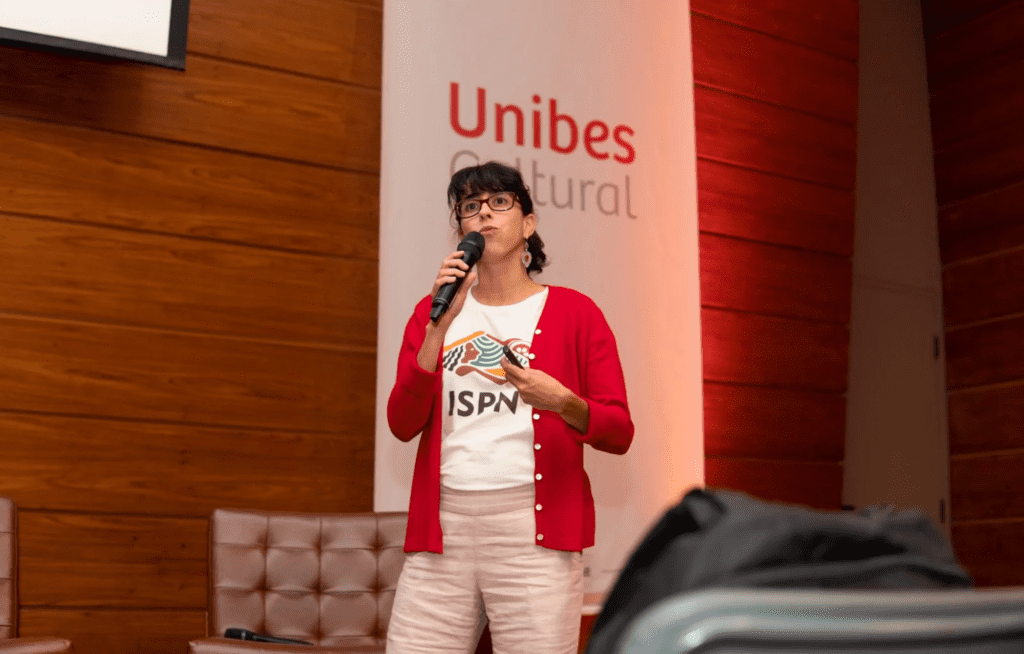
Organized by the Society, Population and Nature Institute (ISPN), the table “Innovation, technologies and vulnerabilities: strengthening communities and the fight for socio-environmental justice” brought four technological initiatives/platforms that work with issues linked to the socio-environmental field. The projects address solutions and paths to situations of marginalization, invisibility and risk for people in vulnerable situations. The debate and reflections highlighted the synchrony between human rights and environmental protection, reaffirming that there is no way to think about philanthropic actions without these two aspects interacting with each other.
The Network’s 10th anniversary seminar brought reflections on the power of socio-environmental justice philanthropy
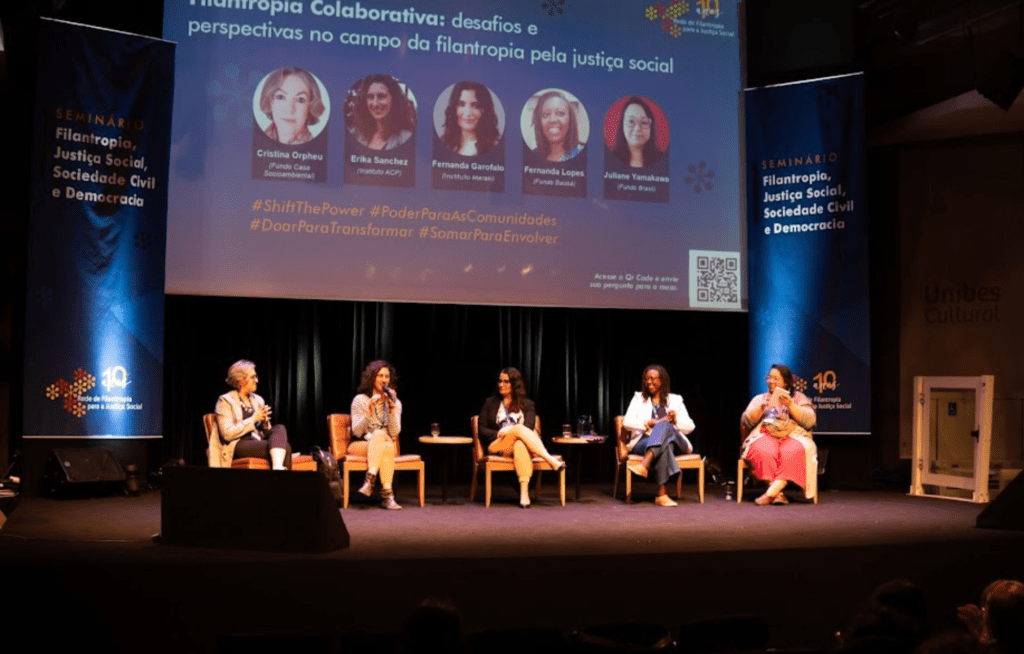
By Monica C. Ribeiro
A space for meeting and welcoming, for reflections on the transformative power of socio-environmental justice philanthropy and new possible arrangements to promote access to socio-environmental, human and social justice rights
This translates into the Philanthropy, Social Justice, Civil Society and Democracy Seminar, held on September 20th and 21st, in São Paulo.
The importance of supporting quilombolas and indigenous people in facing the COVID-19 pandemic
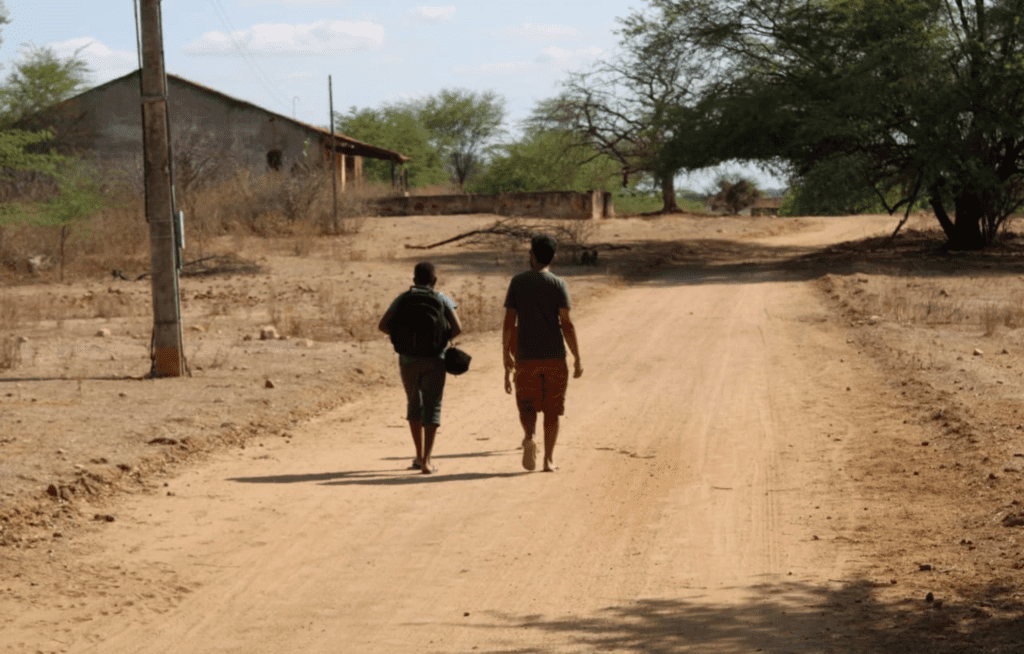
By Fernanda Lopes, Allyne Andrade e Silva, Cristina Orpheo and Angelica Basthi
In 2022, an investment of R$2.5 million is being allocated to quilombola communities and indigenous peoples in several Brazilian states through the Baobá Racial Equity Fund; the Brazilian Human Rights Fund and the Casa Socioambiental Fund, brought together in an unprecedented initiative in Brazil: the Alliance between Funds.
The Alliance between Funds is a collaborative philanthropy initiative to support invisible and more vulnerable populations in the context of the COVID-19 pandemic.
How philanthropy happens on the community floor from a women's perspective
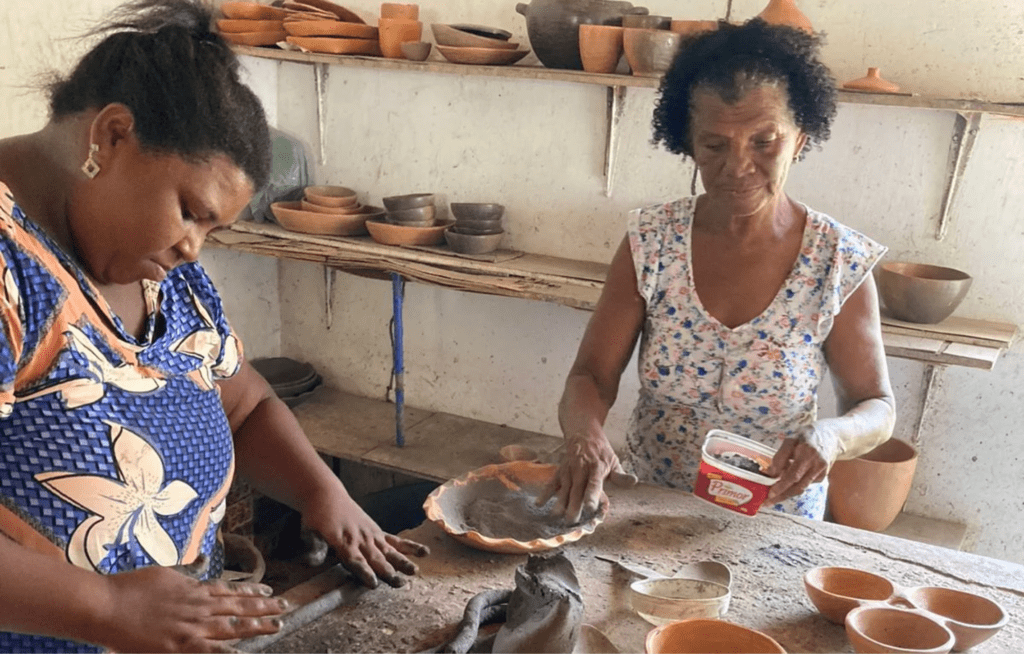
By Diane Pereira Sousa
The hands of local development are female. I begin this text with this statement, I use the Production Center of the Itamatatiua community as a basis.
I invite you to reflect on how community development is built. We will remove our gaze from the way we interact in large cities, from fast cars, from the lights that open and close, from brainstorms, from the search for improving the future, and we will place it in a different place, where our bodies, hours, structures do not they tend to be there frequently. And by being I mean the concrete action of experiencing. We go directly to Itamatatiua.
Rede Comuá launches the Saberes Program to encourage the production of knowledge
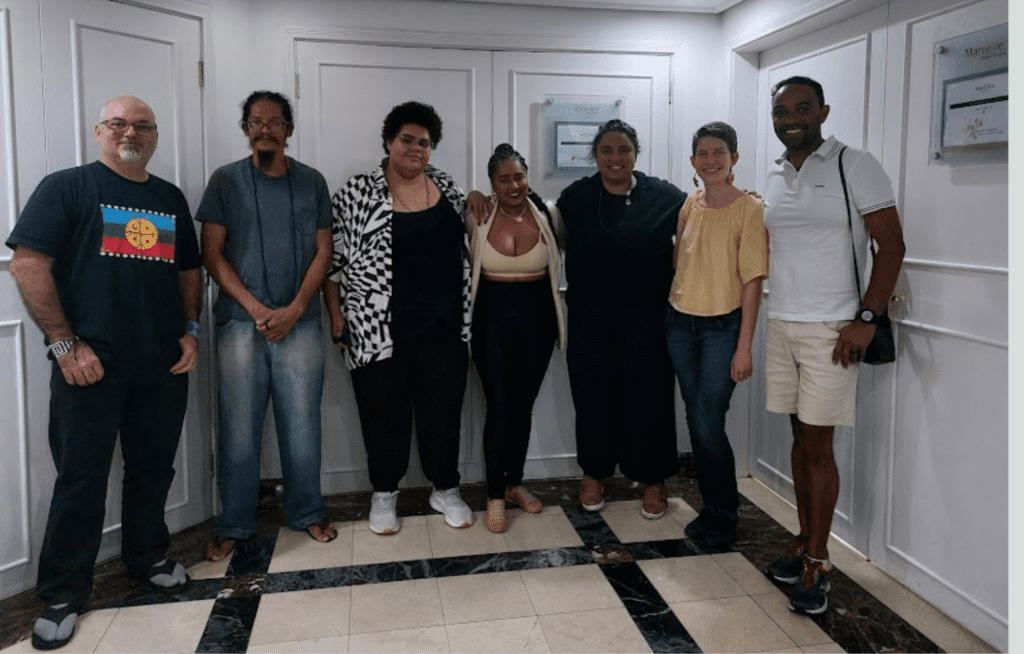
The initiative offers grants of 50 thousand reais for the systematization of knowledge produced by social leaders and specialists who work in the fields of community philanthropy and social justice.
By Luisa Hernandez and Jonathas Azevedo
In 2022, the Network completed ten years of existence, strengthening itself as a political subject that impacts the Brazilian philanthropic ecosystem to strengthen civil society and struggles for rights. In this mission, it has become essential to develop initiatives that amplify community voices and that recognize, in the knowledge and experiences of donation practices and grassroots articulation, the necessary inputs for the creation of narratives that enhance the Network's influence in the field.
Fundo Agbara and BrazilFoundation join the Philanthropy Network for Social Justice
By Camila Guedes
In the month that celebrates its ten years of operation, the Philanthropy Network for Social Justice incorporates two new members into its ranks: the Agbara Fund and Brazil Foundation.
Communicating social justice philanthropy: the power of networking

By Camila Guedes
Social justice philanthropy contributes to generating transformation by supporting civil society organizations and social movements in their struggles and promoting access to rights, a fundamental point for the consolidation of democracy.
Communicating these arrangements and translating their potential results to the public is a challenge that brings permanent reflection to the Philanthropy Network for Social Justice (RFJS), especially with regard to two issues: promoting influence on the philanthropic ecosystem to expand resources for these organizations and movements and demonstrate the power that these groups have to promote transformation in their territories and causes.