The initiative offers grants of 50 thousand reais for the systematization of knowledge produced by social leaders and specialists who work in the fields of community philanthropy and social justice.
By Luisa Hernandez and Jonathas Azevedo
In 2022, the Network completed ten years of existence, strengthening itself as a political subject that impacts the Brazilian philanthropic ecosystem to strengthen civil society and struggles for rights. In this mission, it has become essential to develop initiatives that amplify community voices and that recognize, in the knowledge and experiences of donation practices and grassroots articulation, the necessary inputs for the creation of narratives that enhance the Network's influence in the field.
In this context, the Network launched, in the second half of 2022, the Convocatória Saberes, a pilot initiative, which integrates the Support Programs strategic and Incidence and which seeks to promote the production of knowledge through the systematization of experiences and reflections and the development of studies and social technologies that can boost and position the agendas of community philanthropy and social justice in the philanthropic ecosystem, increasing the visibility of existing donation practices in Brazil that foster local assets, capabilities and trust in communities.
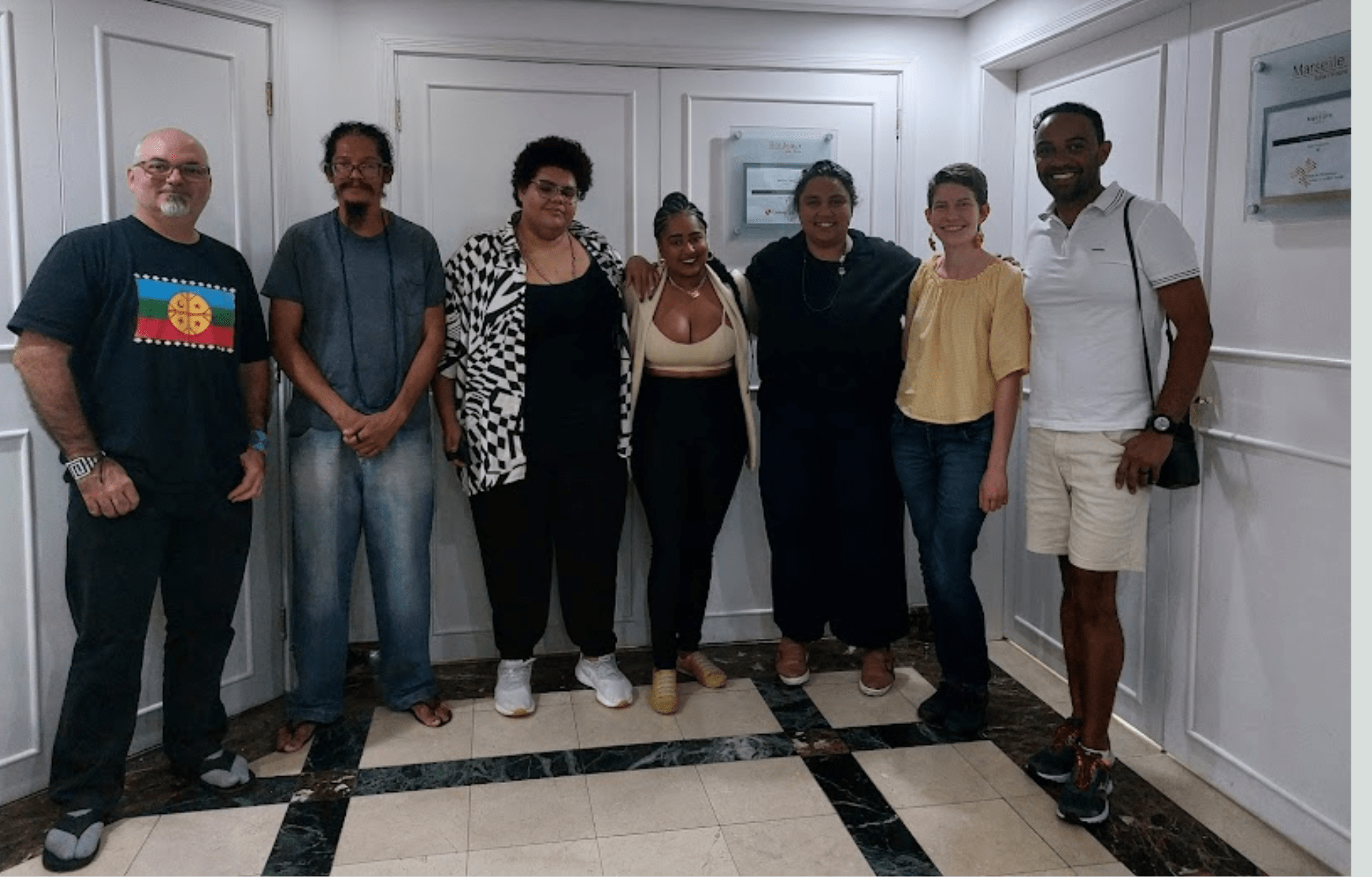
The call selected 7 scholarship holders, including civil society leaders, professionals, researchers and students who work in movements, groups, collectives, philanthropic funds and institutions, community-based associations, formalized or not, among other civil society entities.
In addition to the production of knowledge, supported by experienced mentors in the fields of activity of each fellow, they will also participate in a community of practices constituted as a space for learning, collaboration and dissemination of knowledge.
About project selection
Given the pilot nature of the Program, the Network opted for a selection process via letter of invitation. To this end, not only member organizations were activated, but also other knowledge production partners in the philanthropic ecosystem and organizations identified in the mapping of independent donor organizations in the fields of social justice and community development (carried out by the Network in partnership with PonteAponte), to nominate community leaders, researchers, students and technical staff from philanthropic organizations who were interested in systematizing experiences and/or promoting reflections on community philanthropy and social justice based on their experiences and knowledge generated in their communities and organizations. Within this group, the candidacy of representatives of political minorities was also valued, such as women, the black population, LGBQTQIA+, among others.

The proposals were evaluated based on the selection criteria indicated in the notice, the candidate's engagement in civil society organizations, as well as racial, regional and gender diversity and knowledge production formats. The final result was communicated by email to all candidates.
The scholarship holders and selected proposals were announced during the Philanthropy, Civil Society and Democracy Seminar, promoted by the Network on September 20th and 21st, in São Paulo- SP.
Cassio de Souza (ISPN) – Evaluation of socio-environmental microprojects as a philanthropy mechanism based on the ISPN experience
Cleber Rodrigues (Associação Nossa Cidade) – Sowing local regenerative funds throughout Brazil: Systematization of the Brumadinho Regenerative Fund;
Jész Ipólito (Fundo Elas+) – Narratives of Black Women about the field of philanthropy in Brazil: future perspectives from the North and Northeast;
Larissa Ferreira (FunBEA) – Community philanthropy and Environmental Education: analysis of the circle of donors on the North Coast of SP;
Mariana Assis (ICOM) – Strengthening community-based organizations operating in Greater Florianópolis through ICOM Social Impact Consultancies;
Marcelle Decothé (PIPA Initiative) – Connections and diagnosis: First steps to democratize philanthropy from the peripheries and favelas;
Ronaldo Eli Júnior (Terreiro Sítio das Matas) - Ona Dudu, the black path: Community action with an African origin in the southern region of Bahia.

Fellows will have up to 10 months to complete their proposals and participate in training activities. At the end of the Program, the materials produced will be part of the repository of products to be disseminated through the Network's channels to strengthen the impact on the philanthropic ecosystem and will be the subsidy to increase the visibility of the experiences covered by the fellows and to facilitate the understanding of the forms and concepts of philanthropy for communities and territories.
With the Saberes Program, the Network reaffirms its commitment to expanding recognition of changes and transformations supported by community philanthropy and social justice.