


Social justice philanthropy at COP 27
COP 27 (UN Climate Conference) mobilized funds from Rede Comuá, which were in Egypt, where the meeting took place, promoting connections, participating in debates and networking around socio-environmental justice and combating climate racism.
The Conference took place in November, from 6 to 18 November, and had wide participation from Brazilian civil society, especially through the Brazil Climate Action Hub, a pavilion present at climate COPs since 2019 created by iCS (Instituto Clima e Sociedade) , together with IPAM (Amazon Environmental Research Institute) and the ClimaInfo Institute.
Elections in Brazil: what is the relationship between philanthropy and democracy?
By Graciela Hopstein
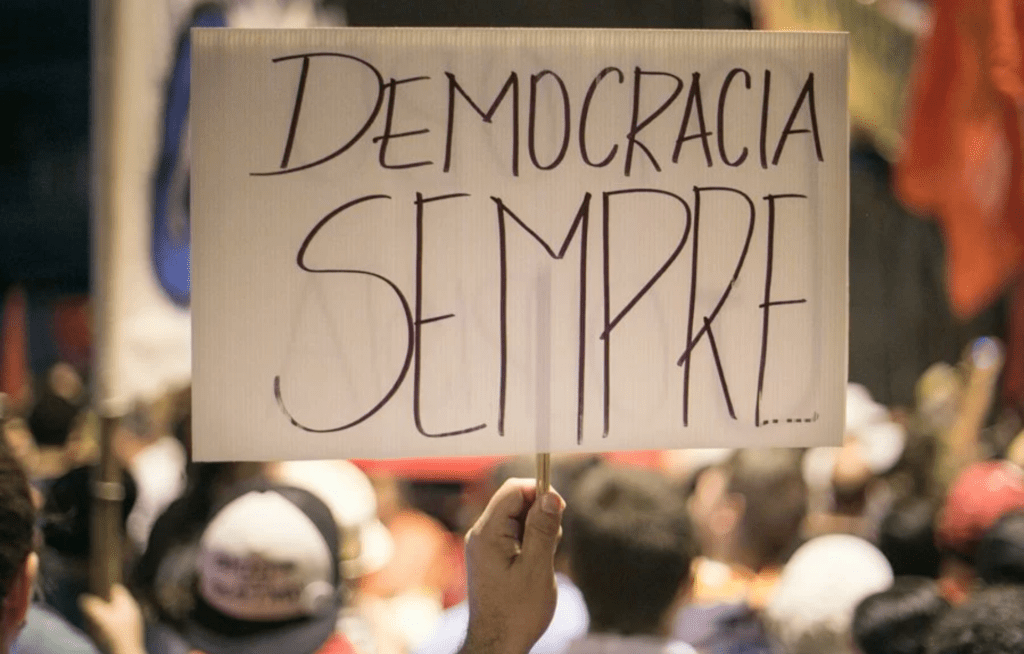
We are just a few days away from the second round of Brazilian elections (scheduled for October 30), which will elect a new president for the next four years. In the opinion of several analysts, it is possible that this is the most challenging moment in recent times, or even in the history of Brazil. It is important to highlight that voting in Brazil is mandatory, so Brazilians will go to the polls to choose between the re-election of a far-right candidate, Jair Bolsonaro, and a former president, candidate of the Workers' Party (PT), Luiz Inácio Lula da Silva, who governed the country for two consecutive terms, between 2003 and 2010.
Elections in Brazil: what is the relationship between philanthropy and democracy?
We are just days away from the second round of elections in Brazil (on 30 October) that will choose a new president for the next four years. In the view of several analysts, these are perhaps the most challenging in recent times, or perhaps in the Brazilian history. It is important to highlight that voting is mandatory, therefore, Brazilians will go to the polls to choose between the re-election of a far-right candidate, Jair Bolsonaro, and a former president, candidate of the Workers' Party (PT), Luiz Inácio Lula da Silva, who ruled the country for two consecutive terms, between the years 2003 and 2010.
Journey of Philanthropy in a world immersed in the climate emergency
By Semiramis Biasoli
We live, after all, in the era of globalization, in which “each part of the world is, more and more, part of the world and the world, as a whole, is increasingly present in each of the parts. This is true not only for nations or peoples, but for individuals” (MORIN, 2003:67).
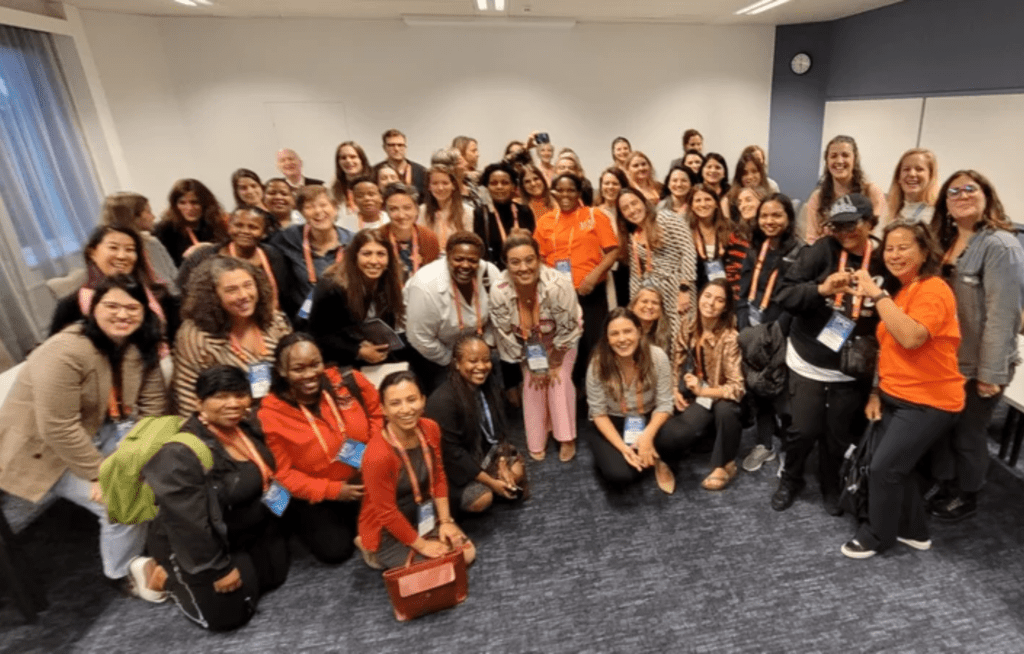
Crossing the Atlantic Ocean, the 3D image of the Earth accessed in real time, during the 11h flight, stimulates the perception of the connections between us, 8 billion humans and every piece of our small and beautiful planet, a habitat that we share with millions of other species of living beings.
No time to waste: Youth is in a hurry and so is the planet
By Regilon Matos – Casa Socio-Environmental Fund
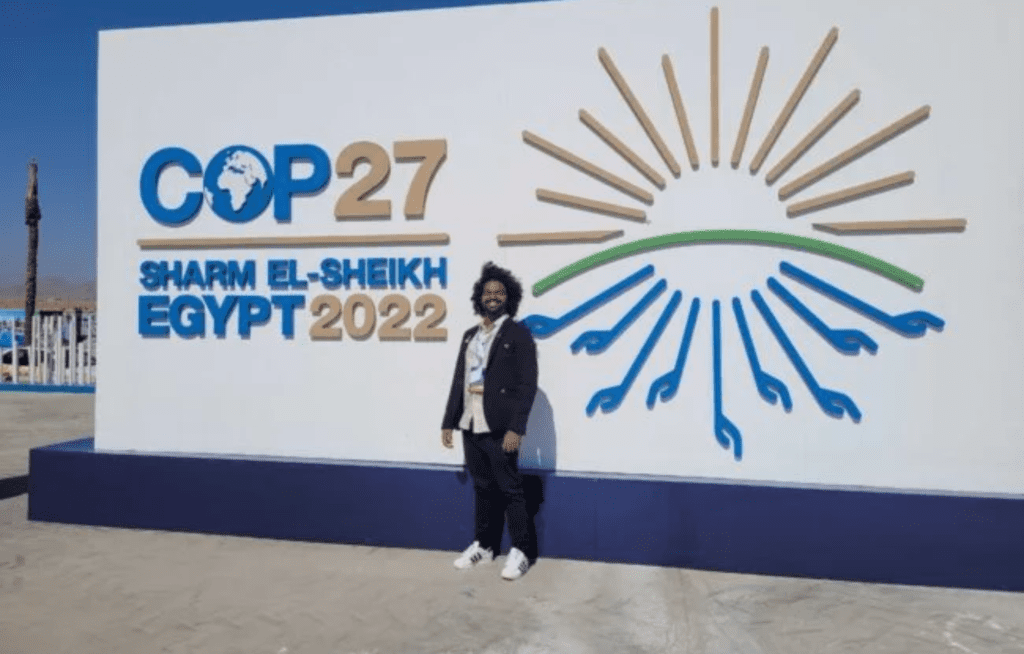
Youth no longer want to be just a token of inclusion; they want to have a voice and a place in conferences that discuss the future of the Planet and the Climate Emergency.
Because of the current economic, social and environmental situation, it is important that the already awakened young become ever more vigilant and determined to take their place where decisions are being made, to enter into the political arena and the halls of civil society, becoming multiplying agents who will positively influence other leaders with their enhanced vision of present day actions and their determination to insure a better future for all.
There is no time to waste: Youth are in a hurry and so is the planet
By Regilon Matos
Youth no longer want to be just a token of inclusion, they want to have a voice and a place in conferences that discuss the future of the Planet and the Climate Emergency.
Given the current economic, social and environmental situation in our country and the world, it is important that young people are now awakened, become increasingly vigilant and determined to take their place where decisions are made, enter the political arena and the spaces of civil society, for a transversal debate with diplomats, CEOS, presidents, activists and third sector coordinators. In this way, becoming multiplier agents who will positively influence other leaders with their improved vision of current actions and their determination to guarantee a better future for all.
Black Women and the Challenges of Activism in the Pandemic

The Philanthropy, Social Justice, Civil Society and Democracy Seminar, by Rede Comuá, highlighted the central role that black women must play in debates on decolonization and reconceptualization of the field of philanthropy in Brazil.
By Andreia Simplicio
The logic of colonization and the hierarchization of bodies created tools of racial disparity that are based on coloniality and are maintained through power dynamics in social relations. These subsidize the behavior and social imaginary that feed and reproduce racial violence in everyday life. The logic of subalternization also impacts the structure of grassroots organizations and the format in which they are included in the philanthropic ecosystem, donation culture and political scenario.
From Brazil to Africa, the transformative potential of community philanthropy and social justice
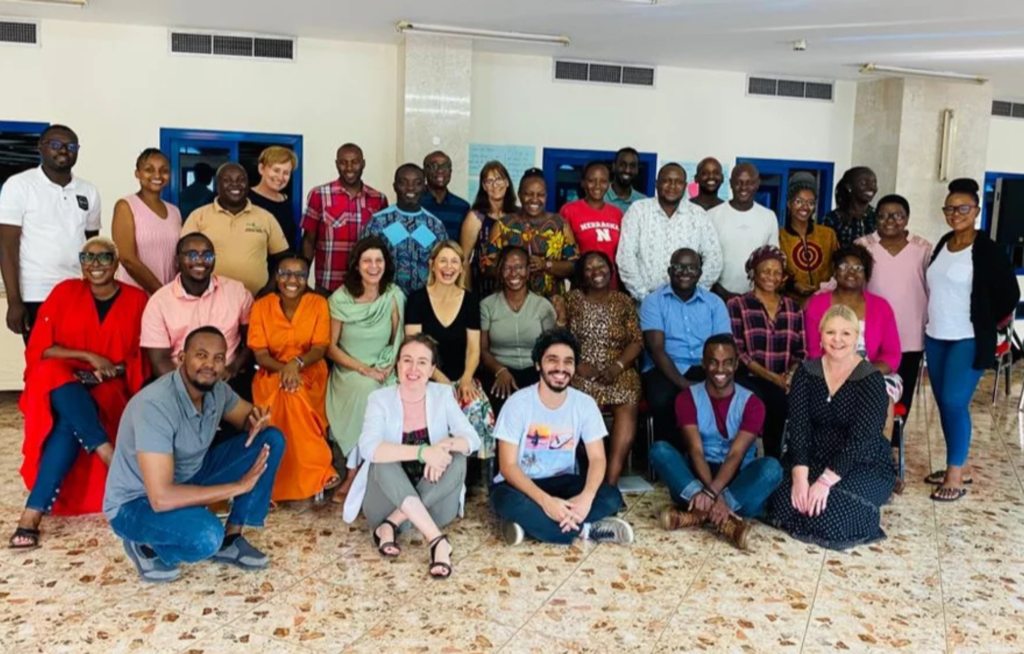
Between the 5th and 10th of November, Rede Comuá was present in Entebbe, Uganda, to participate in the meeting of partner organizations of the Global Fund for Community Foundations, as well as the African Philanthropy Network conference
By Jonathas Azevedo
After three planes, two connections and more than 20 hours of travel, I arrived in Entebbe, Uganda, with the mission of representing Rede Comuá in two activities: the meeting of partners of the Global Fund for Community Foundations (GFCF), the only organization focused exclusively on growing community philanthropy globally as a central pillar of people-led development, and the African Philanthropy Network (formerly known as the African Grantmakers' Network) conference, the first since the onset of the COVID-19 pandemic, which The theme this year was “Driving Change”, in free translation (Driving Change, in English). Both are also partner organizations in the Donate to Transform Program.
Diálogo: Philanthropy, culture of giving and my community
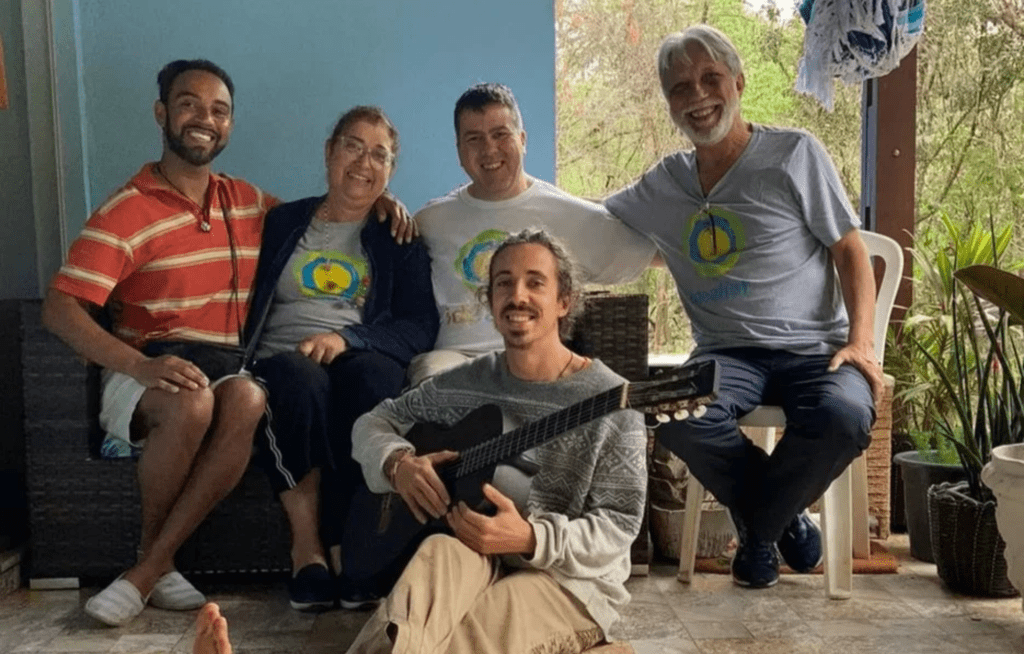
By Cléber Rodrigues
I was walking home the other day and a neighbor walking down the street waved at me and said:
— Hey my dear, good morning. I saw some photos of you on Instagram. You were just like the boss, huh! But I didn't understand anything that was written in the caption.
I gave him a smile, joked with the kid who was attentively listening to his father, and spoke.
— Hey my friend, that was the Philanthropy Network for Social Justice seminar…
He interrupted my sentence and with a questioning face said:
— Filamp… What?
Between challenges and hope, philanthropies that resist
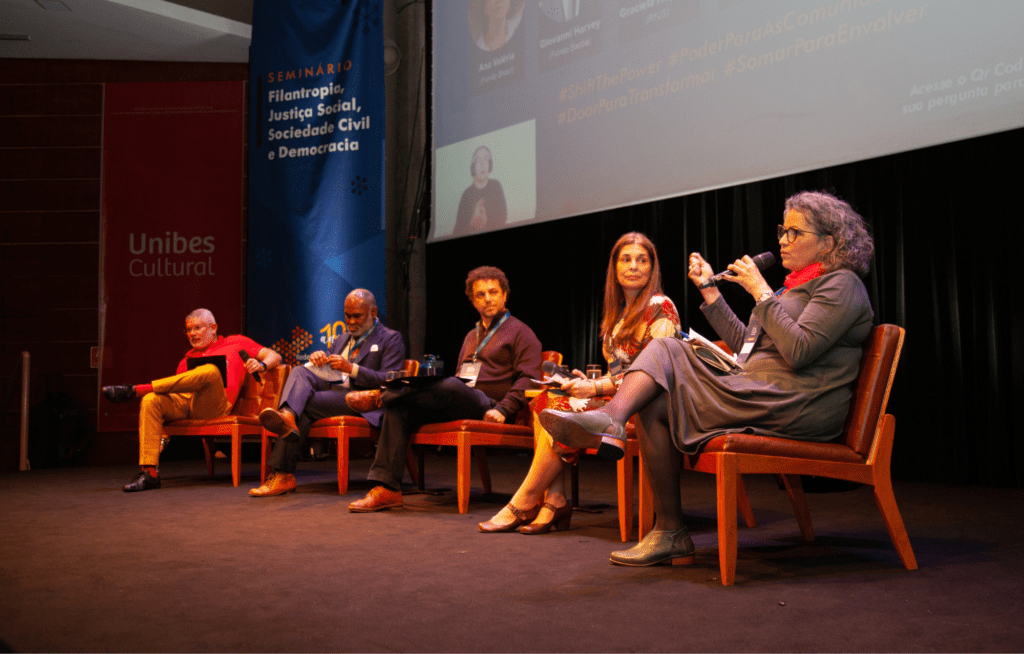
By Luisa Hernandez and Jonathas Azevedo
Influencing the field of philanthropy is not an easy task. The reproduction of colonial structures, racism, misogyny, LGBTIphobia and other forms of violence make philanthropy an environment that can still be very exclusionary, especially for political minorities. The Philanthropy, Social Justice, Civil Society and Democracy Seminar of Rede Comuá, held on the 20th and 21st of September in São Paulo, was an important reminder to everyone present, however, that philanthropy can also be a space of resistance , struggle, collaboration and, especially, hope.