


Digital dynamics: an analysis of clues from the School of Activism for “online” learning processes
By Mica Peres
The School of Activism is a collective of people that was formed in 2012 seeking to strengthen activist groups, through learning processes in strategies and techniques for non-violent and creative actions, campaigns, communication, mobilization and information security. Formed by a multidisciplinary group of people who are also activists, the actions developed by the School are aimed at defending democracy, human rights and sustainability.
Bringing philanthropy closer to the indigenous worldview
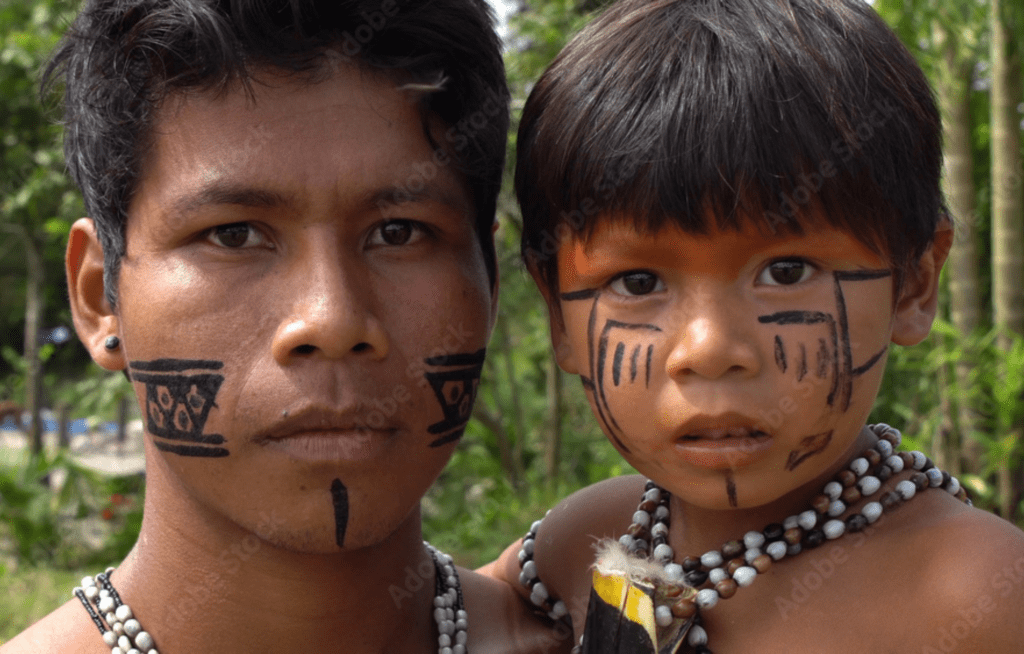
By Maíra P. Lacerda Krenak & Inimá P. Lacerda Krenak
For this article we heard from Ailton Krenak[i], an important indigenous leader recognized inside and outside Brazil, coordinator of the Indigenous Culture Center and advisor to the Casa Socio-Environmental Fund, about philanthropy for indigenous peoples. Perhaps your speech could provoke reflections on the topic.
What is the donor's true motivation?
A Brazil-based fund is pursuing an approach to funding Indigenous Peoples which is more attuned to their worldview
'In Brazil… we still rely on foreign help, much like a charity case, which is subordinating and disrespectful of the integrity of the beneficiary.' These are the words of Ailton Krenak, an Indigenous leader and coordinator of the Núcleo de Cultura Indígena (Indigenous Culture Center) and council member of the Casa Socio-Environmental Fund, a fund started by activists to fund grassroots environmental defenders, including Indigenous Peoples.
15 years of Grantmaking and Community Philanthropy
By Cristina Orpheo – Executive Director of the Casa Socioambiental Fund
We live on a connected planet. What happens in our communities, whether in the city, in the countryside or in the forest, can reflect on all territories and affect the lives of the beings that live here.
It is everyone's right to actively participate in decision-making involving their territories. It is also everyone's right to seek ways to live well, in a way that respects the traditional way of life, as well as the surrounding ecosystems, always defending their rights. Most of the time, this is not that simple, but it is the path to building a just and peaceful society. This is democracy! A strengthened, attentive and participatory civil society is a sign of a consolidated democracy. We live in Brazil in a young democracy and, therefore, vulnerable in several aspects.
Series of reports: 3. The challenges of communicating community and social justice philanthropy

By Ana Letícia Silva and Paulo Motoryn
Report series: The challenges of communicating community and social justice philanthropy
This is a series of reports with four texts derived from a collective interview held with communicators from organizations in the Philanthropy Network for Social Justice, identifying the main challenges experienced in communicating community and social justice philanthropy from the practice of @cominicador@es.
Donating Day and the Movement for a Culture of Donation
By Joana Mortari
Member of the Coordination Committee. of the Movement for a Culture of Donation and Director of the Acorde Association
In the midst of its formation, in 2011, the Movement for a Culture of Giving – then a group of five instigated to strengthen giving in Brazil – we missed talking to people 'out there' and collecting data about Brazilian giving. The previous year, a small campaign had taken place at the now-defunct NGO Fair. At the same time, ABCR was in contact with 92nd Y, the American community center where GivingTuesday was born. As a group, we decided to combine all efforts: a Brazilian campaign name with American technology and strength. This is how Dia de Doar came about, the fifth campaign to join what is now a significant network of more than 150 countries that promote GivingTuesday.
Philanthropy and Racial Equity in Brazil
By Selma Moreira & Fernanda Lopes
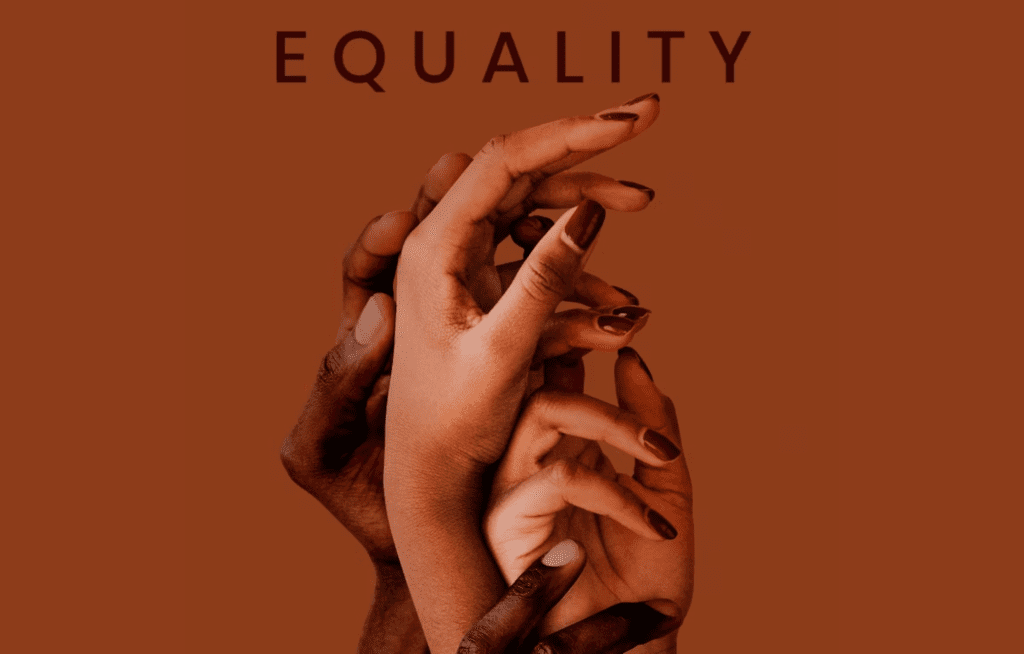
The relationship between the black population and philanthropy is ancient, with the greatest expression being the Black Brotherhoods. Created during the colonial period, these organizational structures enabled black people to occupy and define forms of social action, to cover expenses for a minimum standard of dignity, funerals, for example. They were spaces of resistance and solidarity in the face of the hostility imposed by slavery. Currently, of the 207.8 million who reside in Brazil, 46.5% declared themselves mixed race, 9.3% black and 43.1% white.
Philanthropy, yes, but philanthropy for racial equity…?
Despite a large Black population, Brazil has struggled to mount an effective response to racial inequality
Fundo Baobá launched a collection of black dolls with Estrela to educate children about respect and diversity.
The relationship between philanthropy and the black population is long-standing, the best expression of it being the Black Sisterhoods. Dating back to the colonial era, these institutions allowed blacks to assume and define forms of social engagement, and to pay expenses with some dignity for things such as funerals. They represented resistance and solidarity against the hostility of the colonial mentality. Today, out of the 207.8 million people in Brazil, 55.8 per cent describe themselves as brown, 9.3 per cent as black, and 43.1 per cent as white. Black and brown people form the Afro-Brazilian group or black population. However, despite these figures and the efforts of institutions like the Black Sisterhoods, philanthropy in Brazil has been slow to take up the cause of promoting racial equity.
Philanthropy, social investment and collaboration: the importance of creating new architectures of action in the search for more resources and more transformation

By Erika Saez, GIFE advisor, member of the coordinating committee of the Movement for a Culture of Giving, researcher and author of the book Collaborative Philanthropy and Graziela Santiago, knowledge coordinator at GIFE
In recent decades, the ecosystem of philanthropy and private social investment in Brazil has evolved, expanded and developed. We advance in the creation and adoption of practices and capabilities. The field has expanded and diversified, incorporating more and new actors with varied profiles.
Report series: 4. The challenges of communicating community social justice philanthropy

By Ana Letícia Silva and Paulo Motoryn
Report series: The challenges of communicating social justice community philanthropy
This is a series of reports with 4 texts derived from a collective interview held with communicators from organizations in the Philanthropy Network for Social Justice, identifying the main challenges experienced in communicating community and social justice philanthropy from the practice of @cominicador@es.