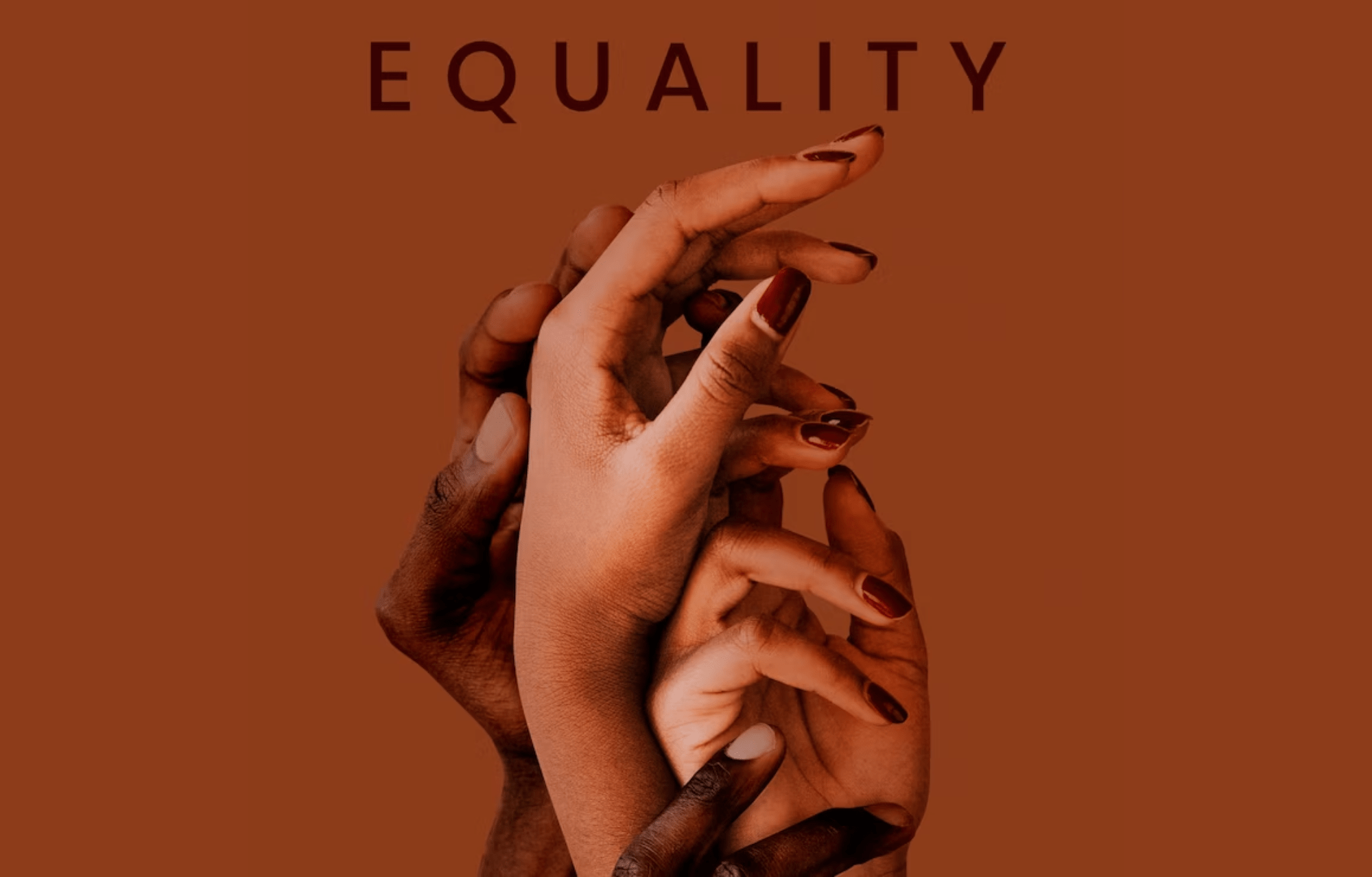
Despite a large Black population, Brazil has struggled to mount an effective response to racial inequality
Fundo Baobá launched a collection of black dolls with Estrela to educate children about respect and diversity.
The relationship between philanthropy and the black population is long-standing, the best expression of it being the Black Sisterhoods. Dating back to the colonial era, these institutions allowed blacks to assume and define forms of social engagement, and to pay expenses with some dignity for things such as funerals. They represented resistance and solidarity against the hostility of the colonial mentality. Today, out of the 207.8 million people in Brazil, 55.8 per cent describe themselves as brown, 9.3 per cent as black, and 43.1 per cent as white. Black and brown people form the Afro-Brazilian group or black population. However, despite these figures and the efforts of institutions like the Black Sisterhoods, philanthropy in Brazil has been slow to take up the cause of promoting racial equity.
The historic inequality of opportunities and income over the years has created an economic divide separating black and Indigenous Peoples from others. All social indicators – of education, living conditions, political engagement, jobs and income – reflect the inequality of Brazilian society and the role played in it by structural racism. Until recently, the philanthropic efforts of non-black civil society organizations were limited to offering assistance, while preserving the social standing of the beneficiaries. It is no coincidence, therefore, that the relationship of mainstream philanthropy and the black population coexisted alongside structural racism. It was not until the early 1990s that organizations supporting black Brazilian women established partnerships with international philanthropic foundations promoting gender equality, funding efforts focused on the recognition and assurance of women's human rights.
Although a great deal of change has happened, certain groups are still systematically denied access to power and effective opportunities to develop their full potential, solely because of their ethnic or cultural background.
In the early 2000s, the first philanthropic funds for social justice were established in Brazil and by the end of the decade, a new way to engage in philanthropy, known as private social investment, was gaining momentum. This concept incorporates a strategy to secure sustainable, transformative results and typically involves the community in its interventions. Donors see themselves as investors, not in an economic sense, but in a social sense. At the same time, in philanthropy internationally, attention has focused on assessing the impact of philanthropy in minimizing or eradicating the effects of social inequalities. This leads to the irresistible conclusion that, although a great deal of change has happened, certain groups are still systematically denied access to power and effective opportunities to develop their full potential, solely because of their ethnic or cultural background. The Kellogg Foundation was at the frontline of this movement and, in Brazil, after consulting leaders of the Brazilian black movement and researchers, the foundation committed to supporting the creation of the first fund dedicated solely to promoting racial equity among the black population of Brazil. For every BRL1 raised in Brazil ($0.18), the Kellogg Foundation matches it with BRL3 for the endowment fund. For every BRL1 raised internationally, the Kellogg Foundation matches it with BRL2 for the fund.
So, the Baobá Fund was created to raise funds and invest in the advancement of black organizations and individuals, focusing on the promotion of racial equity. Today, the Kellogg Foundation contributes three times the amount raised in Brazil and twice the amount raised in any other country. Between 2014 and 2019, the fund invested approximately $4 million in actions that have affected approximately 100,000 lives throughout the country. In recent years, while the private sector has also invested in the promotion of diversity, it has done so without necessarily contributing to the promotion of equity, so the work of building a culture of giving to support the cause of racial equity in Brazil is still being spearheaded by the Baobá Fund, whose work, we hope, will affect the entire ecosystem of philanthropy, mobilizing and engaging different players who are determined to mitigate the effects of inequality and who direct their resources and their interventions towards the achievement of equity.
Selma Moreira is executive director, Baobá – Fund for Racial Equity.
Email: smoreira@baoba.org.br
Twitter: @selmamo42326135
Fernanda Lopes is program director, Baobá – Fund for Racial Equity.
Email: flopes@baoba.org.br
Originally published at: https://www.alliancemagazine.org/feature/philanthropy-yes-but-philanthropy-for-racial-equity/