


Covid-19 is a social justice issue: How one Brazilian community foundation is responding
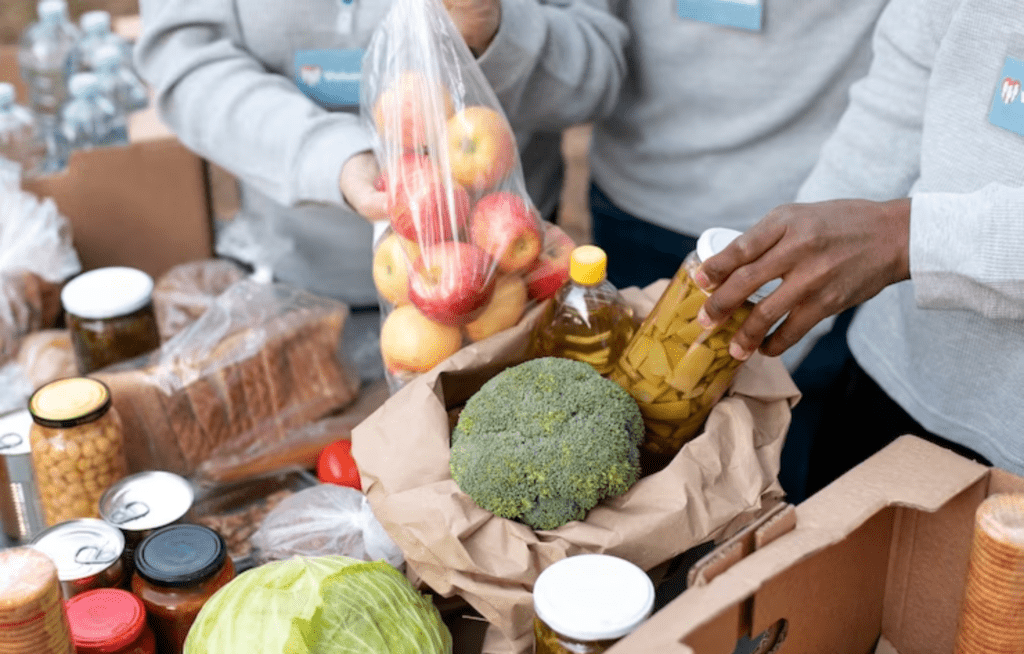
On 18th March, our government mandated the closure of public schools, non-profit organizations and other public services that provide essential services to the most vulnerable families in the region of Greater Florianópolis, Brazil. Vulnerable children in particular relied on the food that was given to them at school, or by local non-profits. At the same time, informal workers started to lose their income as they were forced into a period of isolation. It was a wave of losses that clearly showed how unequal our region is. Vulnerable people quickly started to feel fear: not only fear of the virus Covid-19, but also fear of hunger, fear of not having access to clean water, fears around not having income, etc. On the very same day, 18th March, community-based partners of ICOM – Instituto Comunitário Grande Florianópolis started mobilizing their communities and launching fundraising campaigns to ensure that food would reach the most in need.
Baobá Fund notice selected 350 projects across Brazil
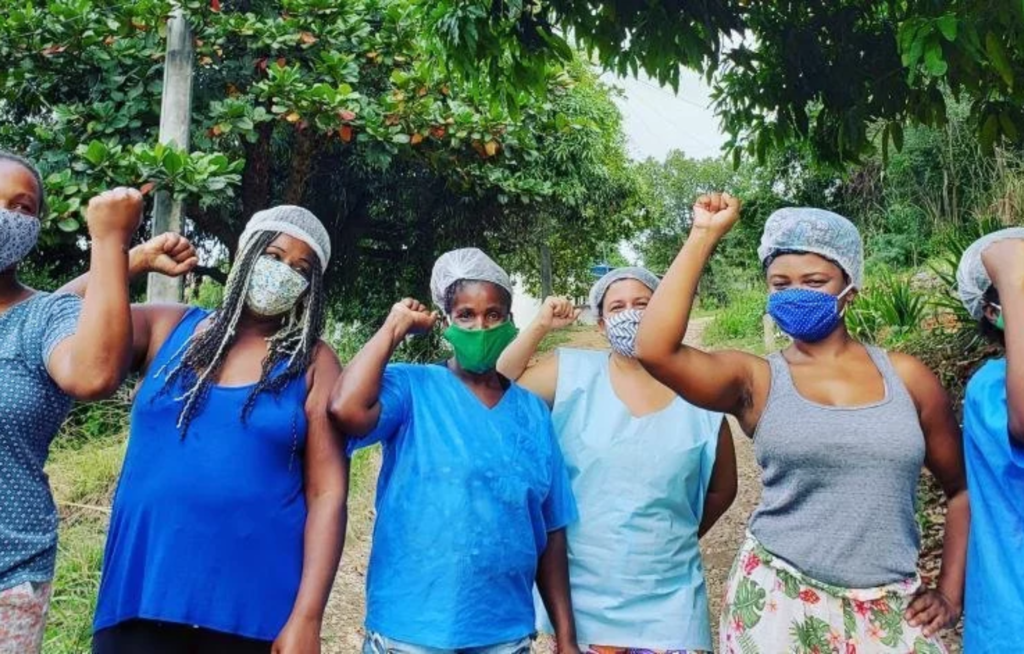
Baobá Fund notice selected 350 projects across Brazil to support actions to combat coronavirus contamination
Thousands of families benefited directly and indirectly from the Baobá Fund's notice to enable preventive actions to combat coronavirus in vulnerable communities. During the 12 days it remained open, 1037 requests for support were received. In the three lists published, Baobá selected a total of 350 projects – 215 from individuals and 135 from organizations.
Redes da Maré becomes a member of the Philanthropy Network for Social Justice
In the month of June, the Philanthropy Network for Social Justice included a new member organization, Redes da Maré, an institution with a relevant history of action in the 16 favelas that make up the Maré community, in Rio de Janeiro, which works on development of actions, research and reflections in the areas of territorial development, education, the right to public security and access to justice, art and culture and identities and memories.
Too many resources, too little civil society?
The record number of donations we have seen in Brazil is, without a doubt, worthy of celebration. After all, the figure of 6 billion reais, according to ABCR's Donation Monitor*, is a historic mark. In its wake, we have come across narratives that try to convince us that Brazilians are supportive, that they make regular donations, that these donations are changing indicators in our social structure and that this wave will last post-pandemic. It will be?
What, however, has been missing from this debate is, in my opinion, two central questions: where do these resources come from and where do they go?
Overview of the response of RFJS member organizations in the context of the pandemic

Overview of the response of member organizations of the Philanthropy Network for Social Justice in the context of the pandemic: resources donated to civil society
The 12 organizations that make up the Philanthropy Network for Social Justice are social justice funds, community funds and community foundations, donor organizations that support civil society in Brazil (CSOs, NGOs, movements, groups, collectives, networks, leaders, rights defenders etc.). They donate to initiatives in the field of human rights, social justice and community development and were created throughout the 2000s in the face of a reduction in resources from philanthropy and international cooperation to respond to the vacuum in funding generated within civil society, a consequence this withdrawal process.
Donation and empathy in emergency situations
We are living in a time of emergency unprecedented in recent decades. Our human arrogance of knowing everything is directly linked to a mistaken socioeconomic model. This society found itself walled in and cornered (literally) by a virus. The world suddenly found itself surrounded by a life-threatening threat, unexpected for many. Unfortunately, in calamity situations, the most vulnerable people are always the most affected, precisely those who have always had their rights denied, who have never been part of the benefits offered to the privileged.
The impact of the pandemic on Brazilian social organizations: how to face the crisis situation in the present and future scenario?
By Mica Peres*
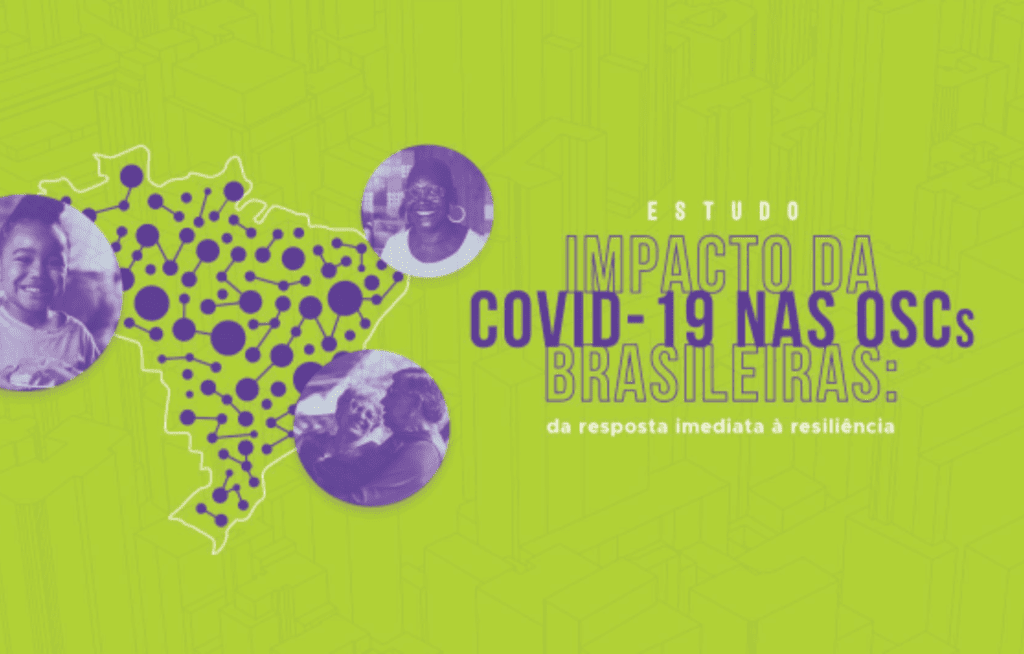
In August, Mobiliza together with Reos Partners and strategic partners from the philanthropic sector launched the complete report of the study “Impact of COVID-19 on Brazilian CSOs: from immediate response to resilience”.
The study sought to understand the impact of COVID-19 on Brazilian civil society organizations and how the sector planned the development of actions and prepared (or is preparing) to face the post-crisis scenario. To this end, a questionnaire was prepared for civil society organizations, from which 1760 valid responses were received, 34% from the social assistance area, 21% that do not have an annual budget forecast and 21% that have an annual budget forecast of up to R$100 thousand . Responses from all Brazilian regions were computed.
Porteiras: empathy and community philanthropy in Baixada Maranhense
By Diane Pereira Sousa*
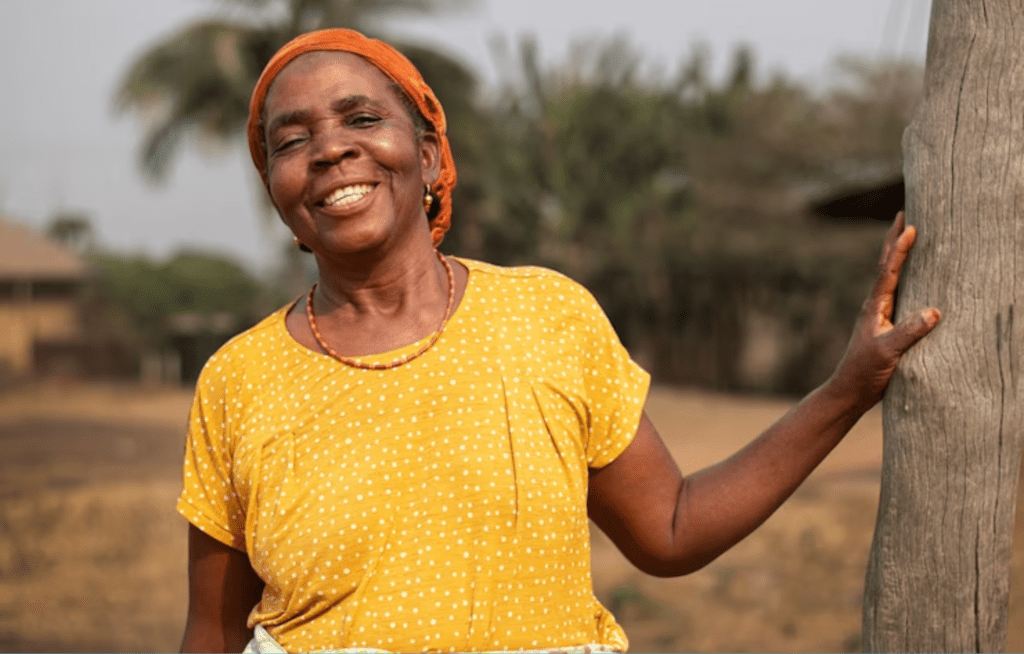
The clock is the sky. At five in the morning Betinha begins her journey. A coffee in the pot releases the first scent of the day. Bodies still sleep in that little tijupá. In the backyard, the roosters start to crow: it's a new clock appearing, time on this piece of land is not imperative, it speaks softly, it's calm and succinct, like the walk of a lowlander. Betinha is time itself. She is never alone on the way to the farm, fellow travelers join the walk. There are varied songs and stories, exchanges of knowledge, there is an invisible network cooperating; There is already a name for what they do, but on that piece of land, any classification cannot be sustained, there will always be a word missing. Of science little, of sapience everything.
Series of reports: 1. The challenges of communicating community and social justice philanthropy

By Ana Letícia Silva and Paulo Motoryn
This is a series of reports with four texts derived from a collective interview held with communicators from organizations in the Philanthropy Network for Social Justice – RFJS, identifying the main challenges experienced in communicating community and social justice philanthropy from the practice of cominicador@s.
Report series: 2. The challenges of communicating community social justice philanthropy

By Ana Letícia Silva and Paulo Motoryn
Report series: The challenges of communicating community and social justice philanthropy
This is a series of reports with four texts derived from a collective interview held with communicators from organizations in the Philanthropy Network for Social Justice, identifying the main challenges experienced in communicating community and social justice philanthropy from the practice of @cominicador@es.