The record number of donations we have seen in Brazil is, without a doubt, worthy of celebration. After all, around 6 billion reais, according to the Donation Monitor* from ABCR, is a historic brand. In its wake, we have come across narratives that try to convince us that Brazilians are supportive, that they make regular donations, that these donations are changing indicators in our social structure and that this wave will last post-pandemic. It will be?
What, however, has been missing from this debate is, in my opinion, two central questions: where do these resources come from and where do they go?
A closer look at the Donations Monitor so that some data stands out to us. I will highlight a couple of them, far from exhausting the debate:
– more than 80% of the origin of donations come from companies
– of these, more than 50% comes from the financial system, the food and beverage sector, and mining, that is, large companies. Here we can raise a first question: is Brazilian society really becoming more supportive?
With these data, the origin of the largest portion of this record of donations becomes more evident, but it is worth highlighting that the Monitor lists a multitude of companies and other donors, something also worthy of celebration and diverse analysis.
The second question I asked at the beginning of the article asked where these resources are going. Although the Monitor does not offer us these answers, we must therefore look to other sources to try to find clues that indicate where these resources are being allocated.

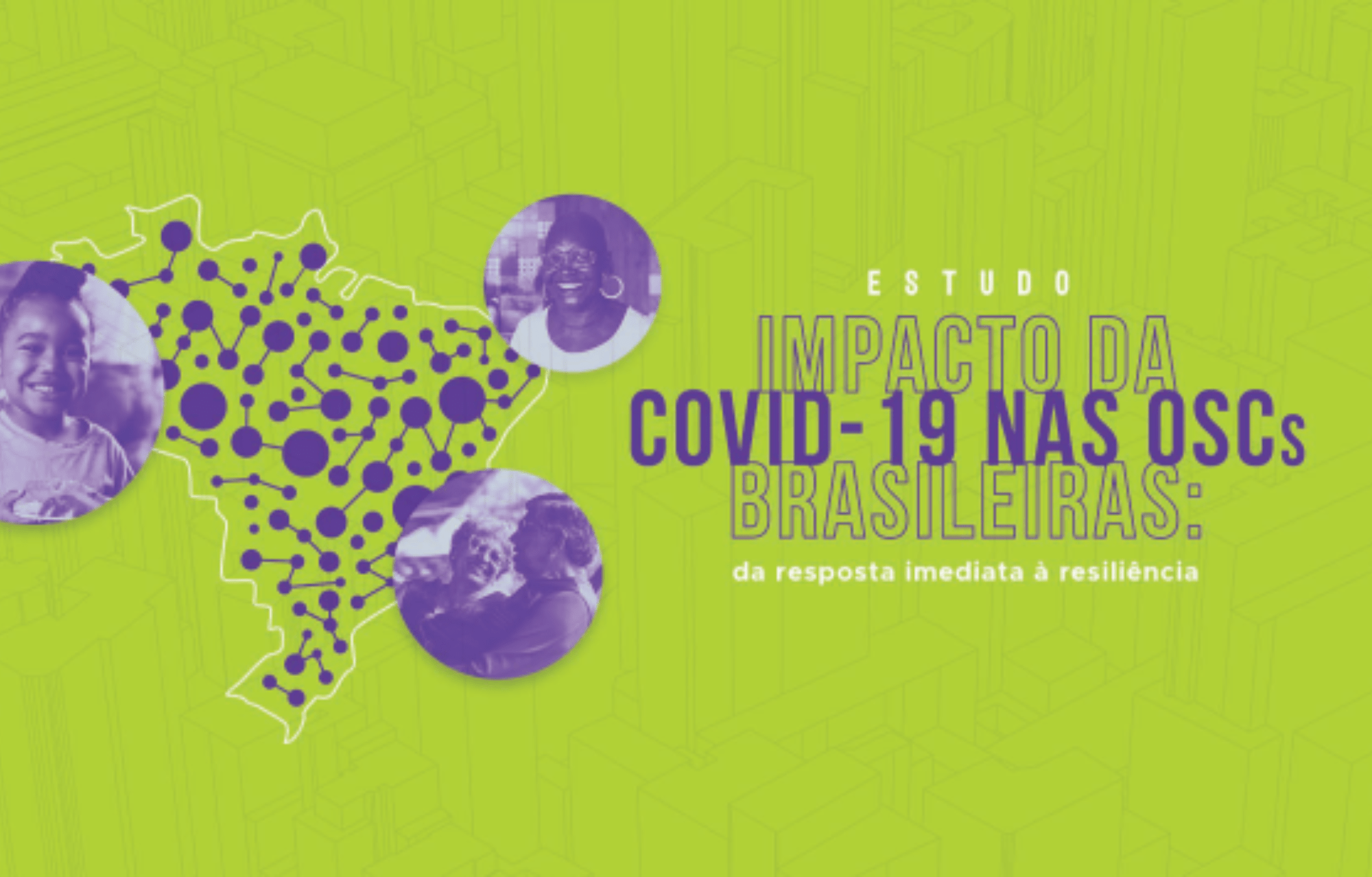
– more than 73% of CSOs report suffering negative impacts from the pandemic
– 65% of CSOs already foresee a reduction in fundraising to maintain their services
– and, to make matters worse, 60% of them expect the demand for their services to increase due to the crisis resulting from the pandemic.
In other words, a 'perfect storm' for NGOs: increased demand in the face of decreased resource availability.
The data from this Study combined with our direct work in the sector allows us to propose at least three important questions in an attempt to strengthen this debate on the allocation of these resources resulting from this record of donations:
The. Are these resources, in large part, being destined to cover the 'holes' of underfunded public policies? With emphasis on the areas of health (SUS), social assistance and education. After the pandemic, will these policies remain underfunded? Wouldn't it be necessary, therefore, to re-discuss this issue?
B. Have these resources reached smaller, less well-known social organizations in all regions and corners of this country? Or does a large portion of these resources continue to reach larger and better-known NGOs?
w. Have these resources also been directed to help cover fixed and institutional costs for these organizations? Or just to purchase donations, basic food baskets and supplies? After the pandemic is over, will these social organizations that act/acted in intermediating these donations be strengthened or weakened? Will they be able to maintain their teams, physical spaces, structures?
This is not the time to 'throw the baby in the bath', as there are good bets and good challenges ahead from this wave of solidarity that we are experiencing in our country. I continue to worry about the mismatch between the supply and demand of this flow of donations, and also about the fact that a large part of it is being used to 'fill holes' in underfunded public policies. It is also worth noting that there may be 'smokescreen' donations in an attempt by brands and companies to forge relevance for society, something that is somewhat on the rise in times of pandemic.
Finally, if there is one point that we all agree on, it is that the pandemic seems to have made several issues more evident, including our cruel social inequality. It remains to be seen whether the record number of donations could contribute to tackling this situation in a structural way, or simply alleviating its serious symptoms. Looking so far, I tend to consider the second option, unfortunately. To be checked.
Article written by Fábio Deboni, originally published at https://observatoriosc.org.br/noticia/sobram-recursos-falta-sociedade-civil/