


Environmental and climate neglect mostly affects vulnerable groups
By Fernanda Lopes
It is well known that the climate crisis poses substantial risks to health, food production, water supply, ecosystems, energy, security and infrastructure. Although climate change affects the entire planet, a part of society is disproportionately affected by social, economic, political, environmental and sociocultural issues. Both crisis and change exacerbate existing inequalities and exclusions resulting from intersecting histories of colonialism, racism, oppression and discrimination.
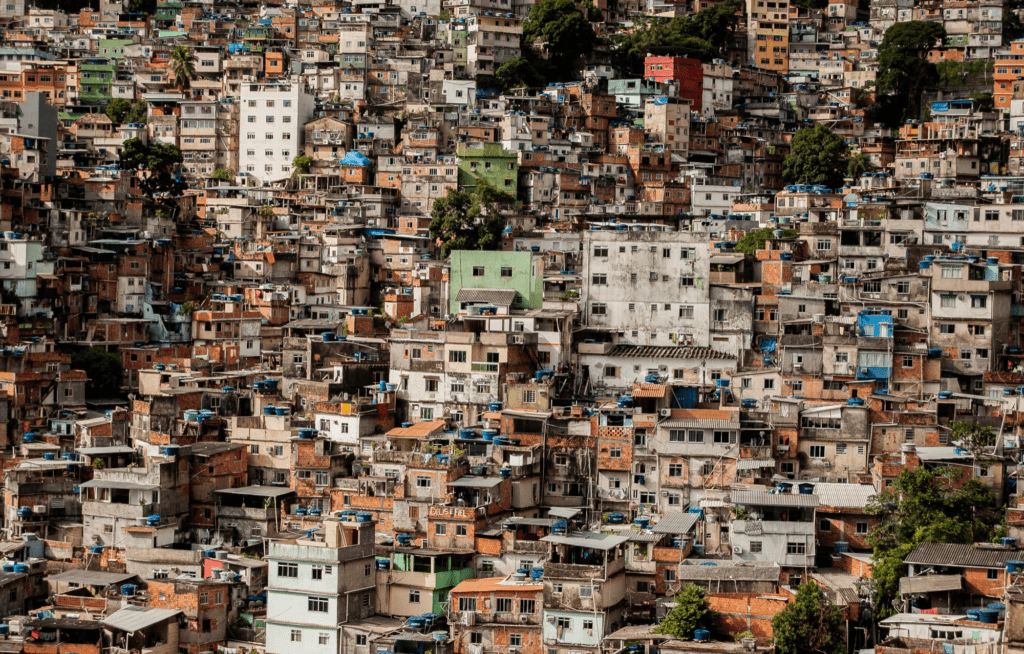
In Brazil, 82.5% of the population, estimated at 212.7 million people by IBGE in 2021, resides in urban areas. Urban space is segregated, and in areas characterized by housing in unsuitable conditions for housing and a lack of fundamental infrastructure services, the majority of the resident population is black.
LAB Jovens: French Embassy Program supports projects in the fight for climate justice
By Regilon Matos
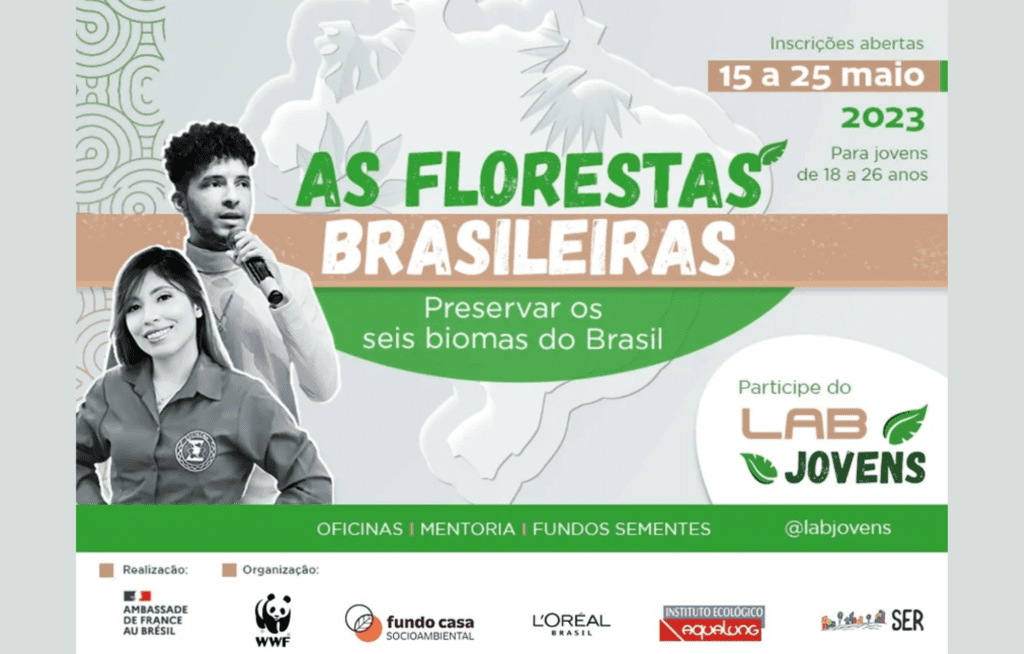
With the aim of raising awareness and training youth on environmental issues, to reduce the effects of global warming and ensure climate balance, the French Embassy in partnership with the Casa Socioambiental Fund and a network of organizations, will hold the third edition of LAB Jovens (Laboratório Ambiental Brasil Jovens), a program that mobilizes young people between 18 and 26 years old for support and training, with the support of tools, mentoring and all necessary support to develop action projects in their territories, and in the end the opportunity to receive support from a seed fund. The journey is 100% online and free, and I, Regilon Matos, had the opportunity to participate in the first edition in 2021.
The Casa Fund is dedicated to the field of socio-environmental philanthropy, making resources reach directly into the hands of the real guardians of ecosystems, in order to promote sustainable development, giving groups more autonomy and protagonism. Therefore, supporting youth projects is enhancing the project's action as they are able to bring together a huge diversity of ideas and mobilize a greater number of engaged people, in addition to a focus on innovative actions and connected with other more contemporary forms provided by youth protagonism. And the Casa Fund's support for the program's Seed Fund is in line with our mission of supporting collective initiatives and encouraging young people's activism to be awakened by bringing other forms of action to the socio-environmental justice agenda.
Fundo Brasil discusses productive inclusion and decent work at the Gife 2023 Congress
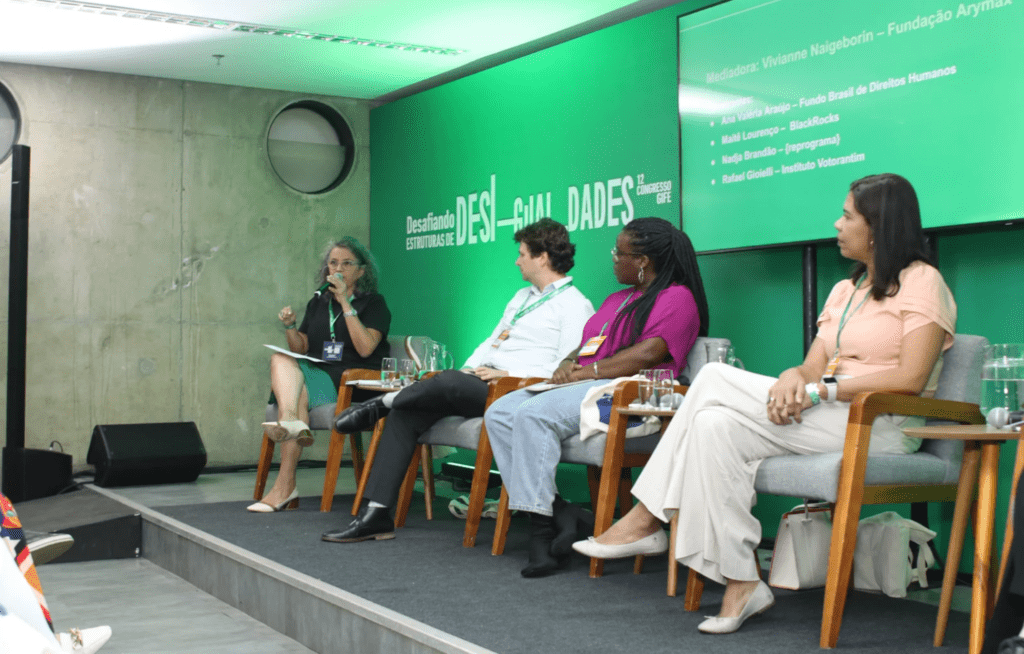
For Ana Valéria Araújo, superintendent of the institution, philanthropy must support organizations that defend labor rights and compliance with constitutional guarantees
By Rafael Cistati
Quase metade dos trabalhadores e trabalhadoras brasileiros vivem, hoje, na informalidade. São pessoas que não contribuem para a previdência social e que, por isso, não têm acesso a direitos como o seguro desemprego ou auxílio doença. Os informais representam mais de 40% da força de trabalho: uma parcela que cresceu nos últimos anos, especialmente depois de 2017, quando foi aprovada a reforma trabalhista. “O argumento era de que a reforma geraria empregos. Não gerou”, diz Ana Valéria Araújo, superintendente do Fundo Brasil de Direitos Humanos. “Hoje, 40% dos trabalhadores brasileiros vendem sua força de trabalho sem ter acesso a direitos”.
Institutional support for grassroots groups strengthens autonomy and trusting relationships
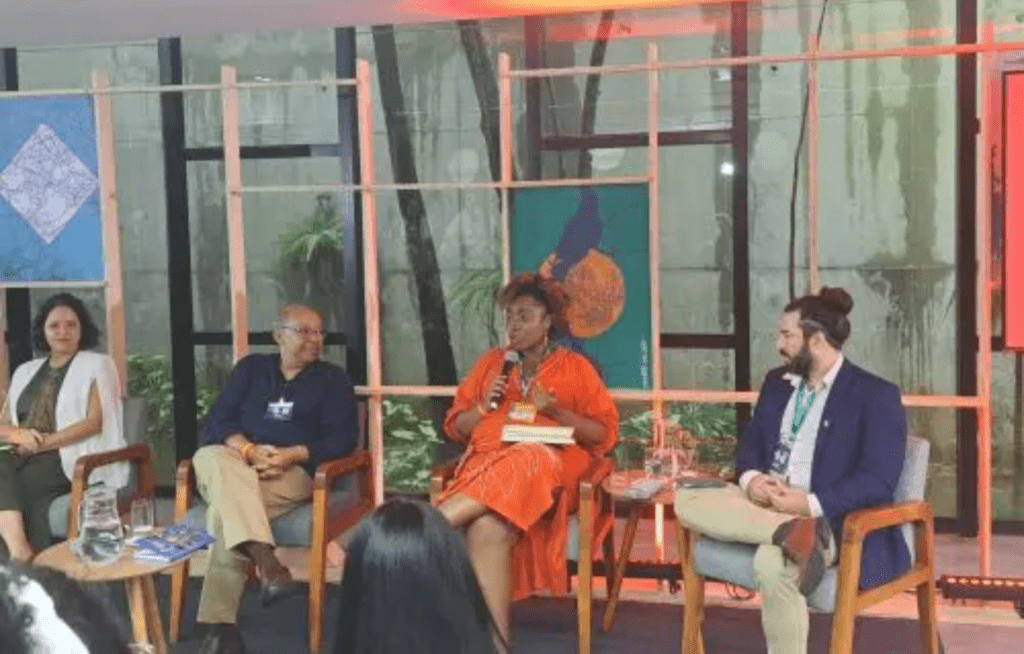
At the GIFE 2023 Congress, Allyne Andrade, deputy superintendent of the Brazil Fund, participated in a debate on regulatory challenges facing civil society
By Rafael Ciscati
The covid-19 pandemic has significantly impacted the way the Brazil Human Rights Fund works. Traditionally, the foundation supports projects developed by grassroots organizations. Proposals, coming from all over the country, are selected via notice. The health emergency forced a change in the work logic. “We started thinking about how to act to keep civil society alive and active in that context”, says Allyne Andrade e Silva, deputy superintendent of the institution. “The solution we found was to offer flexible support”. In this modality, the resource received by the group does not need to be fully used to finance a project: it can also have the objective of institutional strengthening, intended to pay salaries or other expenses of the organization.
Allyne shared this experience during the panel “Regulatory challenges and civil society participation”, held on April 14th during the 12th Congress of the Group of Institutions, Foundations and Companies – Gife. In this year's edition, the event discussed the role of private social investment in combating inequalities that affect Brazilian society.
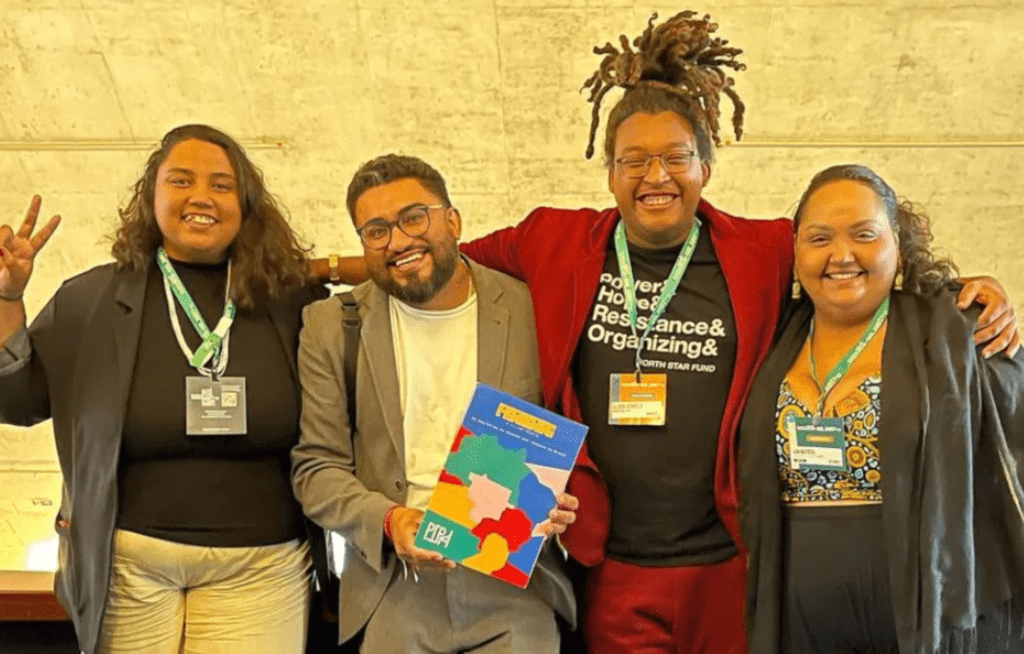
Interview: Gelson Henrique, from the PIPA Initiative, talks about the Peripheries and Philanthropy research
By Mônica Ribeiro
A Iniciativa PIPA lançou, em março deste ano, a pesquisa Periferias e Filantropia – as barreiras de acesso aos recursos no Brasil. Realizado com apoio do Instituto Nu, o trabalho tem por objetivo analisar a descentralização dos recursos privados para viabilizar ações e projetos daqueles que estão na ponta.
The material is also part of the project developed by Marcelle Decothé, co-founder and advisor of the PIPA Initiative, as a fellow of the Saberes Program, from Rede Comuá.
The data is representative of a universe of 607 responses from managers who work on the front lines in Brazilian outskirts to guarantee basic rights, quality of life and opportunities in communities.
The research reveals that almost half of the initiatives surveyed, 46%, did not obtain resources to carry out their activities in the last two years. And 31% of them worked for less than R$ 5 thousand a year.
Rede Comuá participates in tables at the 12th GIFE Congress
By Monica C. Ribeiro
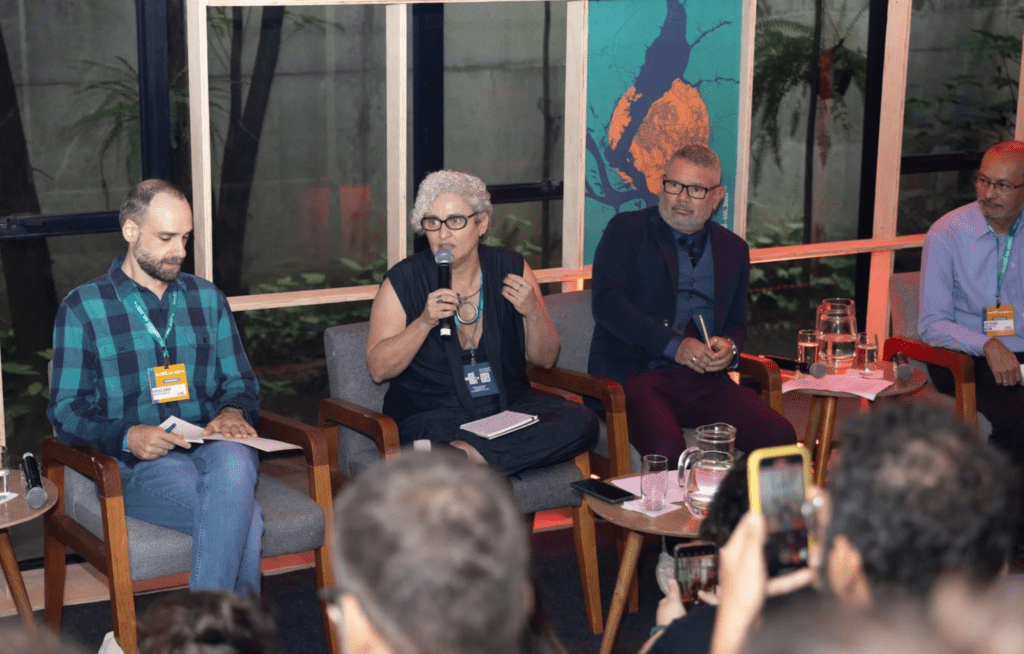
De 12 a 14 de abril, a Rede Comuá participou do 12º Congresso GIFE (Grupos, Institutos, Fundações e Empresas), que teve como tema Desafiando estruturas de desigualdades.
No primeiro dia, a diretora executiva da Comuá, Graciela Hopstein, mediou a mesa Filantropia comunitária: mobilização de atores diversos para a transformação. Integraram a mesa Larissa Amorim, da Casa Fluminense; Harley Henriques, do Fundo Positivo – ambos integrantes da Rede Comuá -; Jair Resende, da Fundação FEAC; e Vinicius Ahmar, do Instituto Arapyaú.
Inclusive advocacy and influence strategies in building transformative philanthropy
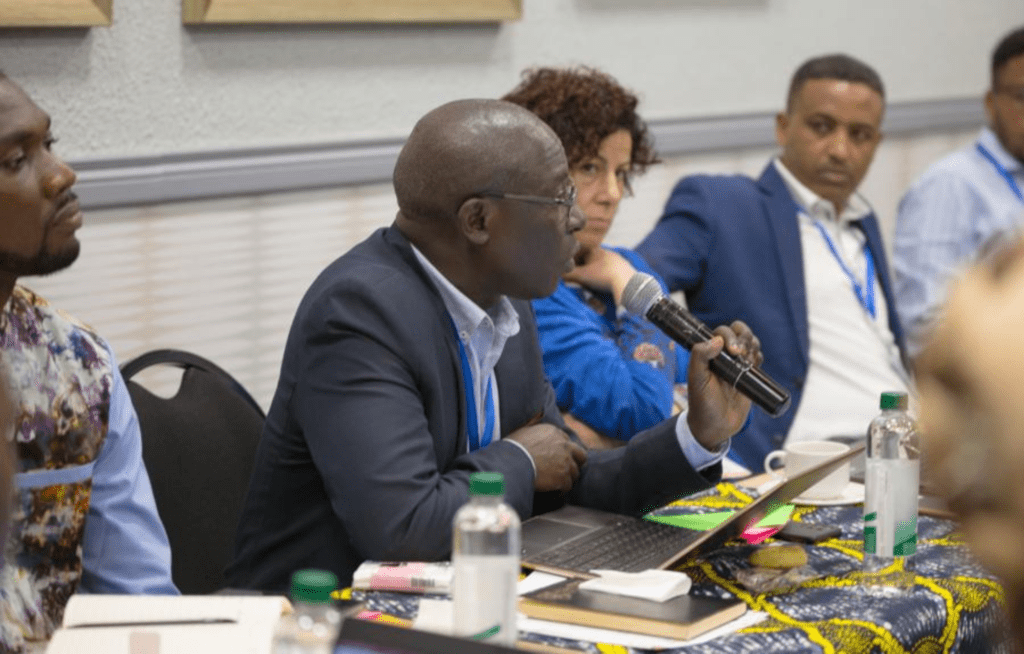
Por Jonathas Azevedo Entre os dias 28 e 30 de Março, tive a oportunidade de representar a Rede Comuá no National Advocacy and Influencing Workshop, em Johanesburgo (África do Sul), promovido pela African Philanthropy Network e facilitado pela Tara Consulting. O encontro se inseriu no âmbito do Programa Doar para Transformar, que está dividido em […]
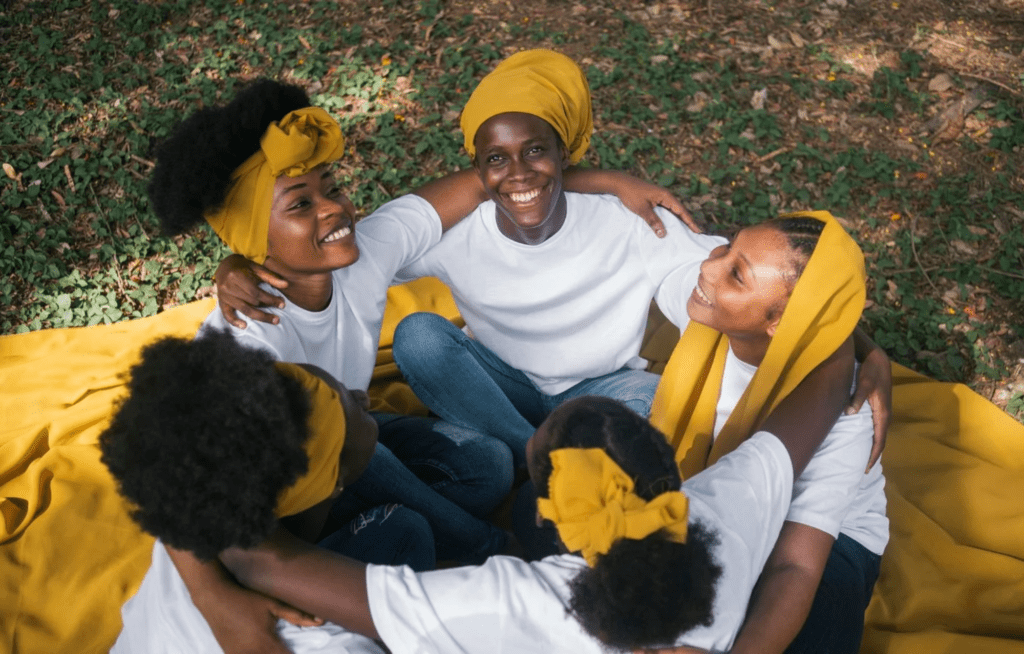
Collaborative philanthropy is rooted in African communal practice. Let's reclaim it.
By Samra Ghermay, associate director of client engagement, Wingo NYC Fundraising Studio
Anyone who knows me, knows I love a good African proverb. I grew up hearing these sayings as commentary on my actions — the not-so-silent judgments on the quality of my cries, the are-you-sure-about-that questions about my decisions, the life lessons waiting to be discovered from a respected elder waiting to impart them on me. Proverbs are built into our stories and were how my elders communicated messages to my sisters and me, how we were implicitly told to do certain things. Proverbs were essentially a coded game. And we happily accepted the challenge and grew all the better for it.
In philanthropy, we have all heard and have possibly even used the African proverb: “It takes a village to raise a child.”
Collaborative Philanthropy originates from African community practice: we need to reclaim it
Por Samra Ghermay
Anyone who knows me knows that I love a good African proverb. I grew up hearing these sayings as comments on my actions – the not-so-silent judgments about the quality of my tasks, the “are you sure about this” questions regarding my decisions, the life lessons to be revealed by a respected elder, who was waiting for the opportunity to transmit them to me. Proverbs are embedded in our stories and are how my elders communicated messages to my sisters and me, and how we were tacitly instructed to do certain things. Proverbs were essentially a game in code. And we accept the challenge with joy and with that we mature even more.
Na filantropia, todos nós já ouvimos e muito provavelmente já usamos o provérbio africano: “É preciso uma aldeia inteira para se educar uma criança”.
Rede Comuá promotes Month of Philanthropy that Transforms in September
By Monica C. Ribeiro
During the month of September, Rede Comuá, together with member organizations and partners, promotes the Philanthropy that Transforms event: month of community philanthropy and socio-environmental justice.
The initiative seeks to continue the debates and reflections that have been held in the field of philanthropy, involving and recognizing a multiplicity of actors, communities and territories in discussions and activities, mainly around themes linked to the transformation of philanthropic practices for the strengthening of society civil society as a key sector for the maintenance and expansion of Brazilian democracy.