


A Mirror for Our Field: My Five-Top Plan for the Future of Philanthropy

By Charles Keidan
At the end of last year, I had the privilege of speaking on a panel with philanthropic colleagues from around the world organized in the context of the GIFE Congress – an association of philanthropic foundations in Brazil[1].
The panel explored the future of philanthropy. Towards the end, our moderator Naila Farouky from the Arab Foundations Forum asked us to share our personal views on philanthropy – what we would like to see happen in our field.
A mirror to our field: my five-point plan for the future of philanthropy
At the end of last year, I had the privilege to speak on a panel alongside colleagues in philanthropy around the world at the Gife conference – the leading association for philanthropic foundations in Brazil. I joined Candid President Brad Smith, East Africa Philanthropy Network CEO, Evans Okinyi, as well as AVPN CEO and chairperson Naina Batra who recorded answers to a selection of questions to manage time zone differences.
One year of the pandemic and the impact on women's lives
By Claudia Cruz and Fabbi Silva
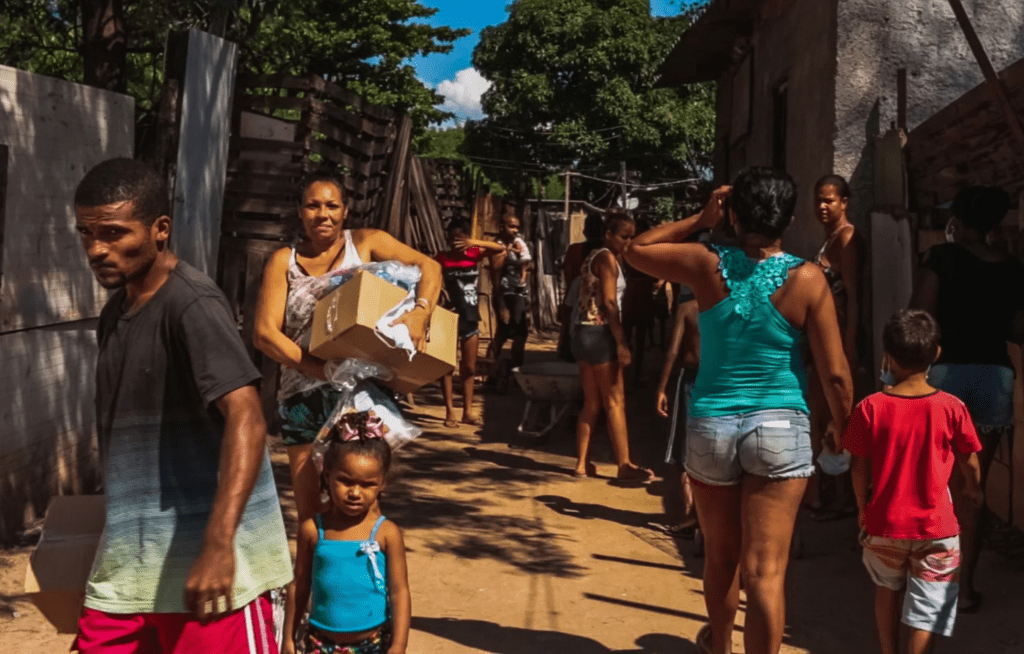
March 11, 2020 became known as a global milestone for the pandemic, when many states began to adopt Ordinance 356 of the Ministry of Health, which regulated measures to combat the health emergency due to the coronavirus. In the state of Rio de Janeiro, the then governor, Wilson Witzel, published a decree, on March 16, which instituted quarantine/social isolation with more restrictive circulation measures. A few days later, on March 19, the state recorded the first death from COVID-19, a 63-year-old black woman and domestic worker. And that is why, this Thursday, as we complete the first year of the global milestone, in the middle of March of struggles and for Marielle Franco, we reflect on the impacts that the pandemic has had on the lives of women in Rio de Janeiro. We are the majority in the Metropolitan Region, where we total 52,86% of inhabitants, and we were the first to die from COVID-19.
Retaining a record number of donors: a challenge that ICOM faced in 2020
By Amanda Antunes Bueno
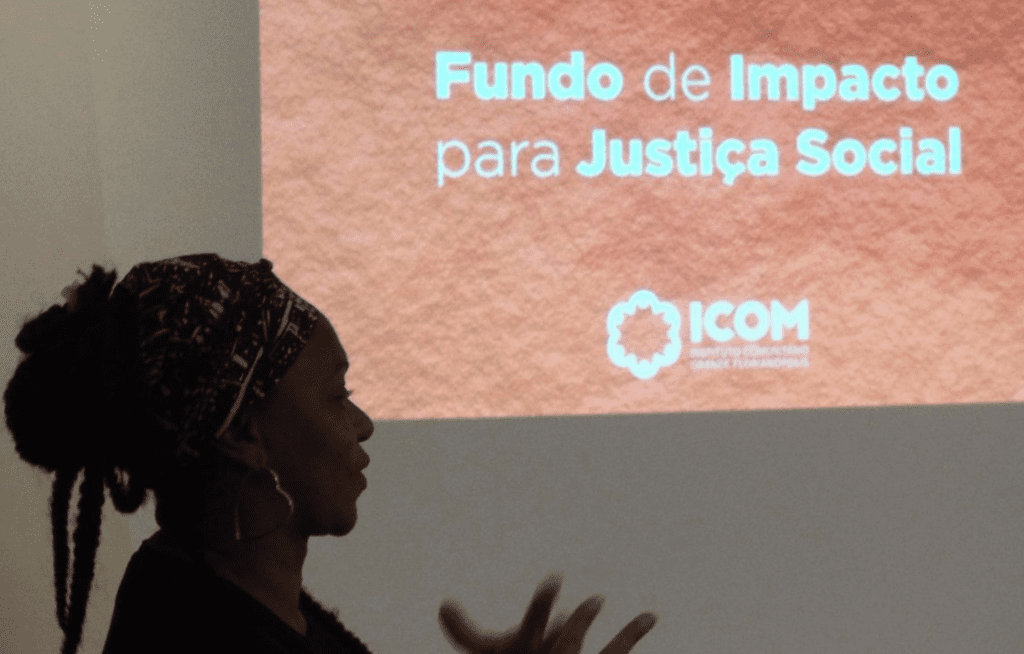
In March 2020, the new coronavirus pandemic was declared and the first cases were registered in Santa Catarina. That same month, the team from the Grande Florianópolis Community Institute (ICOM) met to decide what they would do to respond to the economic and social crises resulting from the pandemic. The first strategy was the Coronavirus Emergency Support Line, created to guarantee decent and sufficient food and hygiene and cleaning items for socially vulnerable people affected by the pandemic, through the mobilization and transfer of direct resources to organized civil society initiatives. In April, within the Support Line, the first Community Bank of Santa Catarina also appears. With it, families receive resources in the form of social currencies and have the autonomy to buy what they need most in stores in their peripheral communities.
The Network announces a new program with support from the Dutch Ministry of Foreign Affairs: Giving for Change Program
By Graciela Hopstein and Betina Sarue
The Philanthropy Network for Social Justice started the Giving for Change Program (GFC) in 2021 with support from Dutch cooperation. The GFC is led by an international consortium made up of four organizations that will be responsible for overall coordination: Global Fund for Community Foundations (GFCF), African Philanthropy Network (APN); Kenya Community Development Foundation (KCDF) and Wilde Ganzen (WG). The Program will last five years and have a total budget of 24 million euros, and was selected by the Dutch Ministry of Foreign Affairs within the scope of the Power of Voices notice. It will be developed in eight countries in the Global South: Brazil, Burkina Faso, Ethiopia, Ghana, Kenya, Mozambique, Palestine and Uganda. Brazil's participation in the context of this Program is certainly significant in the proposal to strengthen South-South cooperation.
Interview for redeGIFE: for specialist, it is up to the philanthropic sector to build narratives that rescue the centrality of civil society in the consolidation of democracy
By GIFE
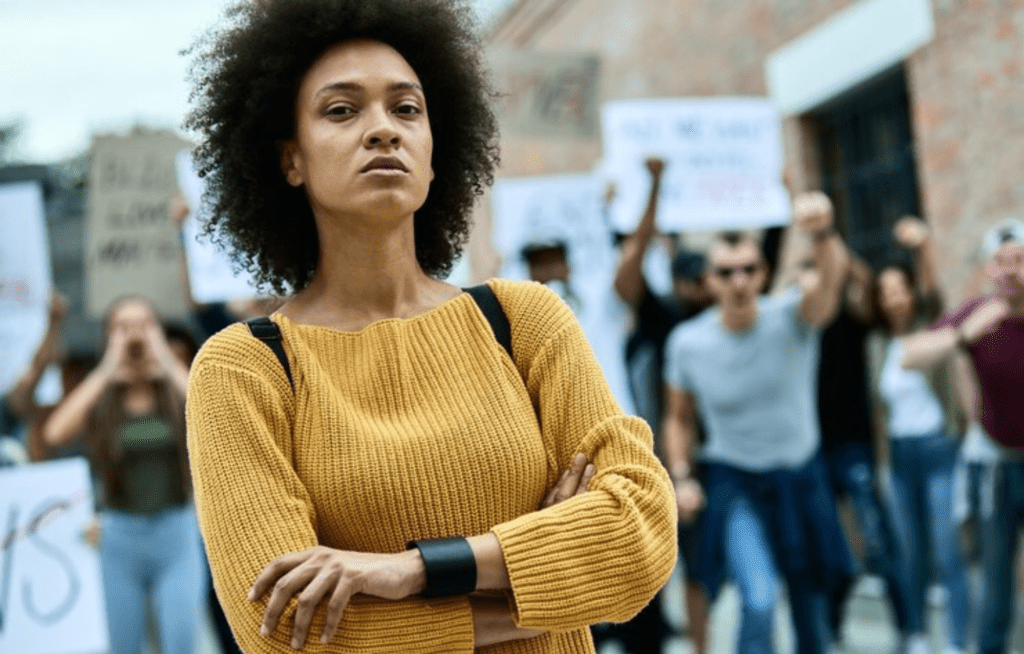
At a time of intense changes in the Brazilian and global scenario, movements of stigmatization and hostility towards the role and performance of these actors on the public scene combine with the renewed demonstration of their vitality and centrality for the promotion of collective action at key moments. such as the pandemic and to produce responses to new challenges on fronts as diverse as racial equity, women's rights, climate change, the creation of new economic opportunities, community mobilization, political innovation, and so on .
Data, the new currency in Africa
By Eunice Mwaura, Vice Versa Global
“It is important to maintain and observe ethics in mapping, collecting and packaging data. This has proven to be quite a challenge. Around 30% researchers and academia – that's all – return to the communities researched to confirm and share data collected in these places”. To face it head on and understand how to deal with this issue, we spoke with Nicera Wanjiru, a young activist who works to transform her community in defense of the right to community control of their own data and information.
Data, the new currency in Africa
“It is important to uphold and observe ethics in mapping, data collection and packaging. This has proven to be quite a challenge. Approximately, only 30% of researchers and academia come back to the community to verify and share their collected data.” To get to grips with this issue and how to handle it, we talked to Nicera Wanjiru, a young activist driving change in her community and fighting for her community's right to data and information.
In three months, the Metropolitan Region of Rio only vaccinated just over 5% of its population

By Luize Sampaio
The vaccine is the only way to combat the new coronavirus pandemic, but the lack of unified work between government levels has resulted in a slowness in the vaccination process. Today we are experiencing a second wave of the disease with a daily increase in the lack of beds in the ICU throughout Rio de Janeiro. In the metropolitan region, which concentrates 70% of the state's population, priority groups suffer from the lack of vaccines and long queues that start in the early hours of the morning. Currently, the metropolis of Rio de Janeiro has vaccinated only 5.3% of its population. Until the last Saturday of the month (27/03), some municipalities in the region had still not managed to vaccinate even 1% of their residents, as is the case of São Gonçalo, Seropédica and Cachoeiras de Macacu.
Building the Donate to Transform program

By Betina Sarue
The executive coordination of the Philanthropy Network for Social Justice and its governance team are committed to structuring the Donate to Transform program. The proposal is to carry out organic planning, which is at the same time integrated and complementary to the Network's existing lines of action, with support from the IAF and Porticus structured through the Support and Capacity Strengthening programs. With Donate to Transform, in addition to the two existing programs, the Network inaugurates a new programmatic line focused on advocacy, with the aim of influencing the agenda in the national and international philanthropic ecosystem, with themes such as social justice, community philanthropy, shifting the power and strengthening of civil society actors in guaranteeing rights and expression.