13 anos de FunBEA: educação ambiental, resistência e transformação
Em entrevista, Semíramis Biasoli destaca os marcos históricos do FunBEA, a potência das alianças e os caminhos para fortalecer a justiça socioambiental a partir dos territórios

Em entrevista, Semíramis Biasoli destaca os marcos históricos do FunBEA, a potência das alianças e os caminhos para fortalecer a justiça socioambiental a partir dos territórios

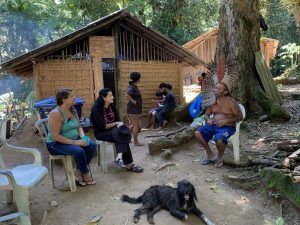
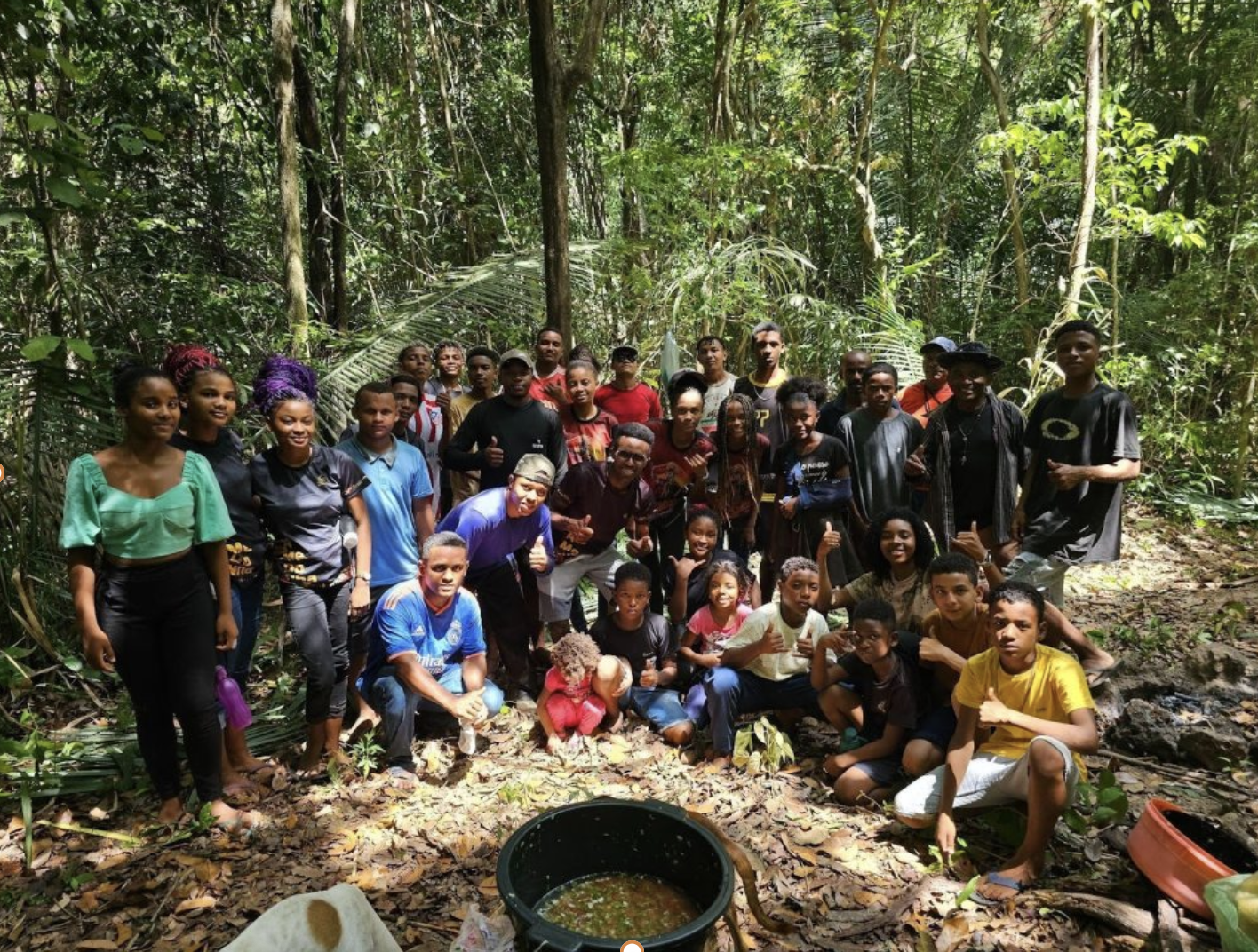
Neidinha Suruí faz visita em dois quilombos e duas aldeias indígenas na Mata Atlântica, no litoral de SP.

FunBEA (Brazilian Environmental Education Fund), in 2022, launched the donation campaign “How much is it worth?”, with the intention of supporting three socio-environmental collectives that work with community-based actions, environmental education, culture and art on the Coast North of São Paulo.

At the beginning of 2022, FunBEA – Brazilian Environmental Education Fund began planning and structuring the donation campaign “How much is it worth?”, which was launched to the public in July of the same year. The objective of the campaign was to support three socio-environmental movements that work with community-based actions, environmental education, culture and art on the North Coast of São Paulo, recognizing the work of these collectives for the conservation of the Atlantic Forest and popular culture.

The giving circle can be a strategy to strengthen community and social justice philanthropy, by bringing together donors and causes/organizations to be supported in a more horizontal and dialogical way.

Philanthropy has different strategies when it comes to mobilizing resources, and one of them is donation circles – in English called giving circles. The donation circle is a strategy that brings together donors and organizations that receive resources.

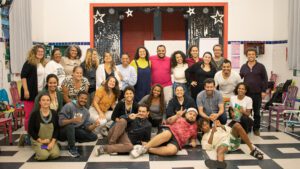
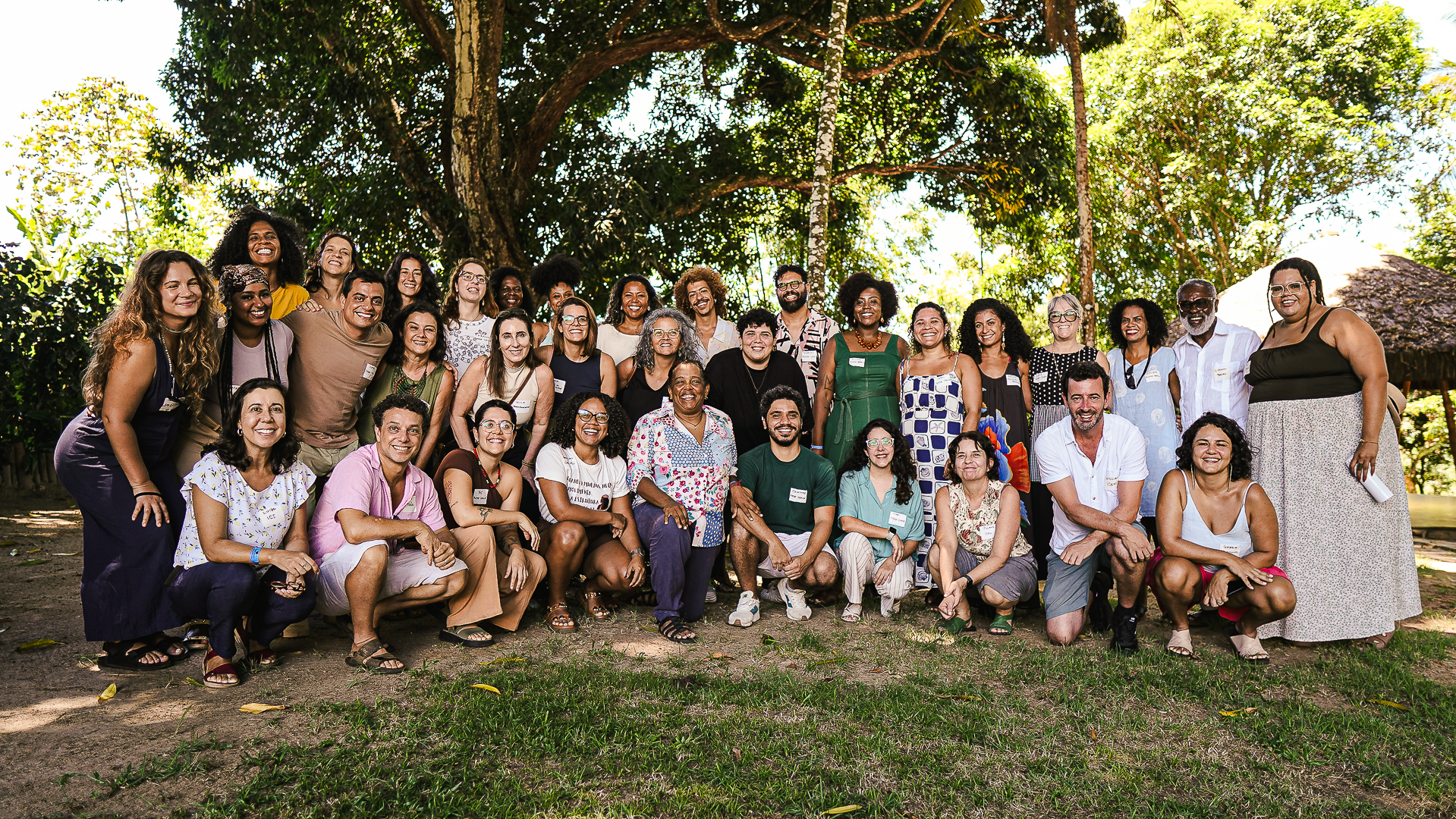
On the 4th, 5th and 6th of September, representatives from Casa Fluminense (RJ), the Brazilian Environmental Education Fund – FunBEA (SP), the Grande Florianópolis Community Institute (SC), the Baixada Maranhense Community Institute (MA), the Instituto Procomum (SP), Redes da Maré (RJ), and Tabôa Fortalecimento Comunitário (BA) met in Santos, São Paulo, to hold the first meeting of the Territorial Alliance to plan the future with a focus on community and territorial philanthropy. The meeting had the support of Rede Comuá, integrating the actions of the Month of Philanthropy that Transforms calendar, and served to create the action plan for 2024 and define expected results until 2026, with the facilitation of Luciana Martinelli and Bruna Mattos, from the consultancy Dialógica – Human and Institutional Development.

By Semíramis Biasoli – FunBEA – Brazilian Environmental Education Fund
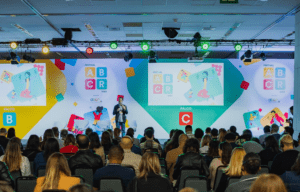
The 15th edition of the ABCR Festival, a fundraising conference by the Brazilian Association of Fundraisers, took place on July 3rd and 4th, 2023 in the city of São Paulo.
The challenge of welcoming and putting together a program that catered to different levels of knowledge, experiences and interests was a key point and it seems to me that this year's Festival managed to provide these answers. The event provided basic information for those new to fundraising challenges, as well as advanced research and practices, providing cutting-edge content for experienced professionals.
Numerically larger, it also presented a greater diversity of professional areas present: not just counting on an audience of recruiters and collectors, but rather, members of the technical and financial areas, in addition to the strong presence of communication professionals.
It is worth highlighting here: could these be signs of changes in the institutional culture of fundraising, not treating it as a closed or specialized area, on the contrary, presenting it as a collective challenge to the entire organization?

Initiative aims to strengthen communities and territories
De 12 a 14 de abril, a Rede Comuá participou do 12º Congresso GIFE (Grupos, Institutos, Fundações e Empresas), com a mesa “Filantropia Comunitária: mobilização de atores diversos para a mobilização”. Na ocasião, Larissa Amorim, coordenadora executiva da Casa Fluminense, que participou como uma das palestrantes, anunciou a constituição da Aliança Territorial.
Created in the context of Rede Comuá from the articulation of seven member organizations: Tabôa – community strengthening, FunBEA (Brazilian Environmental Education Fund), ICOM (Great Florianópolis Community Institute), Baixada Maranhense Community Institute, Redes da Maré, Instituto Procomum and Casa Fluminens, the initiative aims to promote articulation and exchange of experiences between territorial-based organizations (community funds and community foundations), seeking to develop joint strategies and reflect on the challenges of mobilizing resources for the institutions involved.

By Bianca Limonge Avancin
In Brazil, from the 1940s onwards, NGOs (Non-Governmental Organizations) were known for movements formed by Churches (Catholic and Protestant) that prioritized the structuring of solidarity and humanitarian actions throughout the territory. Over the years, this conception of what an NGO would be gained different perspectives, including popular education movements, combating the military dictatorship and countercultural movements.