By Mica Peres
According to the dossier Murder and violence against Brazilian transvestites and transsexuals in 2021, released today, January 29, 2022, by the National Association of Transvestites and Transsexuals (ANTRA), at least 140 trans people were murdered in Brazil in 2021. This number is above the average of the last 13 years, which is 123 .8 murders per year since 2008.
More than 80% of the victims were up to 35 years old, making it unprecedented to record the death of a 13-year-old teenager, the youngest age recorded since the beginning of the research in 2008. For Bruna Benevides (2022) [1], research coordinator, in amid the “several cases of violence and human rights violations against trans children and/or adolescents throughout the year, we highlight the fact that there is no estimate for public policies to be designed that guarantee the protection and rights of those who do not identify themselves with the gender assigned at birth and who are under 18 years of age. Many times, their rights are violated within the family environment, by child protection agencies that are taken over by a salvationist religious ideology, which disseminates religious and gender racism against trans people, and fuels persecution against welcoming parents.”
The absence of public policies to protect the rights of trans people is just one of the risk factors to the life of this populationTherefore, the minimum is achieved as far as the State is concerned in guaranteeing basic social rights. The responsibility for defending human rights must not only be a state responsibility, but a collective responsibility of the individuals who make up society, whether in individual or collective actions and that is where social movements and civil society organizations are inserted. For Araújo & Junqueira (2018), these movements and organizations are at the forefront of defending socially vulnerable people, who suffer violence and rights violations, in defense of minority groups, and this action is central to philanthropy for justice Social.
Social movements and CSOs are a fundamental part of defending the rights of the trans population. In Brazil, we have several groups, organizations, associations, movements, funds that work directly in this defense and that go beyond the right to life, for example. There are numerous artistic-pedagogical, cultural, comprehensive health promotion projects, combating various forms of violence, shelter for people deprived of liberty, which work in interdisciplinary actions to strengthen the human rights of this population.
These projects, led by CSOs throughout the national territory, however, need support from society to exist, especially financial support, so that the actions for which they are intended can reach the assisted population. For Araújo & Junqueira (2018) [2], “action in confronting these rights violations, with support for organizations, groups and collectives distributed throughout all regions of the country, is at the center of what is considered philanthropy for justice Social".
Also according to the authors, “directing public or private resources, coming from individuals or legal entities, to groups that fight for human rights strengthens the culture of respect for human rights in the country.” (Araújo & Junqueira, 2018, emphasis added).
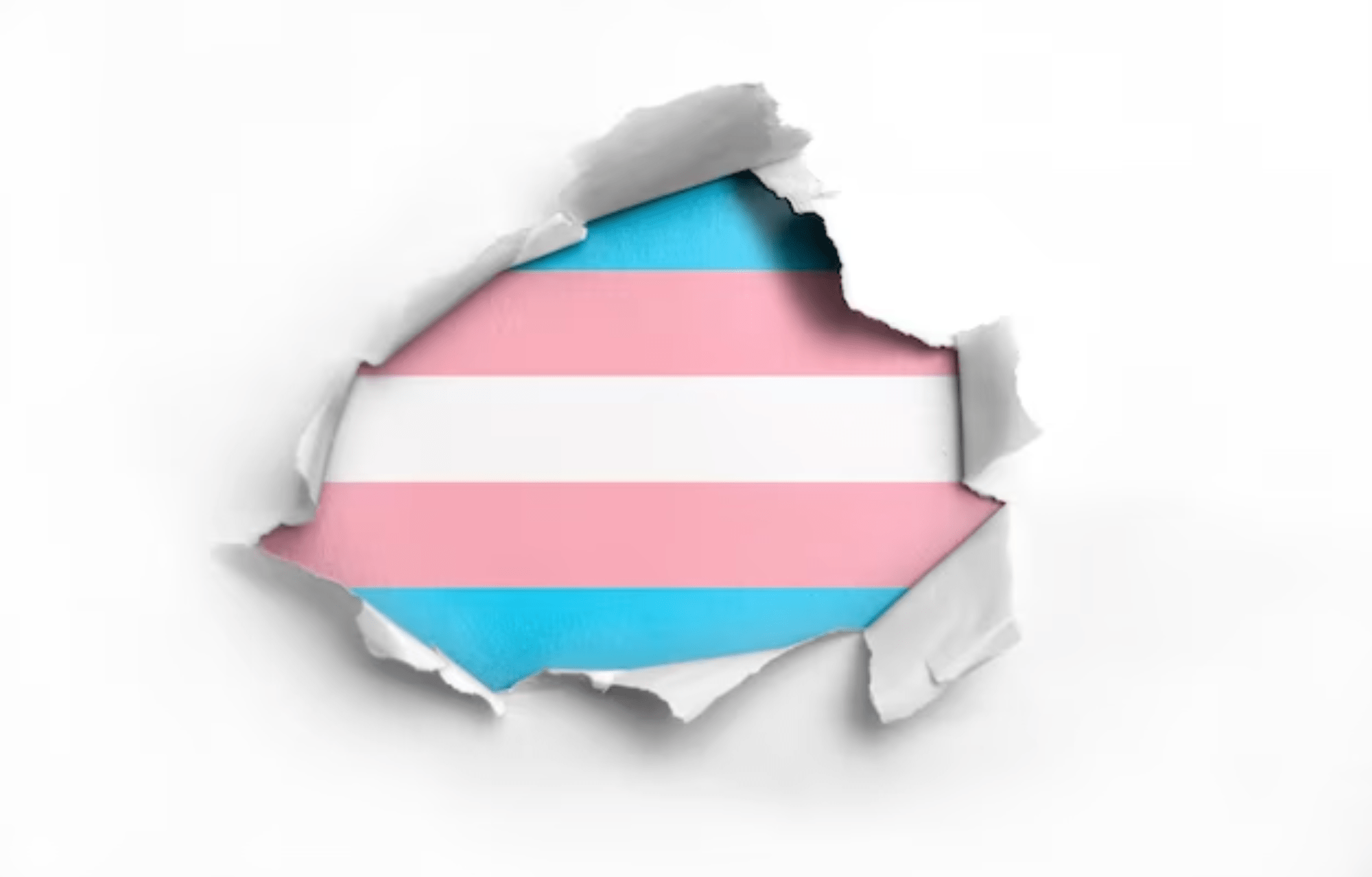
With this in mind, it is important to understand, on this 29th, National Trans Visibility Day, that The donation and transfer of resources to organizations whose objective is to guarantee human rights is, in addition to strengthening philanthropy for social justice, collaborating in the fight for the rights of trans people.
Source:
[1] https://antrabrasil.files.wordpress.com/2022/01/dossieantra2022-web.pdf