Welcome to the Comuá Network!

Stay up to date with everything that happens in the comuá

Category:M&A: Measuring what matters

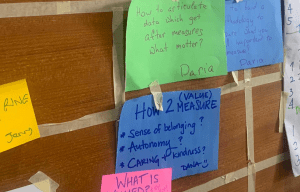
Medir o que Importa é político!
M&E: Measuring what matters
Comuá

Medir o que Importa é político!

“Há uma incompatibilidade na medição entre o que as pessoas que trabalham no nível local consideram importante e o que os financiadores querem ouvir. Muitas vezes, esse desafio é refletido em termos de modelos lógicos lineares, que exigem uma simplificação excessiva e muitas vezes limitam uma abordagem mais holística ou colaborativa” (Dana Doan e Barry Knight, 2020). 

Read More »
Medindo o que importa, um pemakna de cada vez
M&E: Measuring what matters
Comuá

Medindo o que importa, um pemakna de cada vez

A Indonesia for Humanity (IKa) foi criada para apoiar os movimentos pró-democracia e os sobreviventes de violações aos direitos humanos. A organização foi criada por ativistas para apoiar outros ativistas com pequenos subsídios. Desde meados da década de 1990 até o início da década de 2000, dependíamos principalmente dos doadores. Mas quando a Indonésia começou a se democratizar, muitas agências doadoras que nos tinham financiado começaram também a abrir seus próprios escritórios na Indonésia e a IKa perdeu grande parte do seu financiamento. Em 2010, iniciamos uma nova jornada, fazendo experiências com a angariação local de fundos e a mobilização de recursos locais. Com o tempo, aprendemos que dinheiro não é o único recurso; diversos elementos intangíveis, como as redes que contribuíram para a evolução da IKa, também são recursos.

Read More »
M&E: Measuring what matters
Comuá

Decolonizing Evaluation: 4 conclusions from a panel of donors

Por Ben Bestor

In recent years, the chorus of voices calling for the decolonization of aid has been growing, demanding a reevaluation of the way programs are designed and even the way they are delivered. This evaluation – a process that consists of critically and systematically analyzing the design, implementation, improvement or results of a program – is an integral part of a broader dialogue about decolonization.

When it comes to evaluating a project or program, it is worth reflecting on a series of questions. What constitutes “effectiveness”, how is it measured, and who determines it? Whose values, priorities and worldviews shape the assessment? Historically, it has always been donors and international non-governmental organizations (INGOs) – in other words, external parties – who determined what would be evaluated, when it would be evaluated, by whom and based on what methodologies, accepting few relevant contributions from the people concerned. be achieved by the programs in question. This needs to change. But what will this change look like?

Read More »
#EnglishVersion
Comuá

Decolonizing evaluation: 4 takeaways from a donor panel

Over the past few years, a growing chorus of voices calling for the decolonization of aid has emerged, necessitating a reevaluation of the way programs are designed to the way they are delivered. Evaluation—the process of critically and systematically assessing the design, implementation, improvement, or outcomes of a program—is part and parcel of this broader decolonization conversation.

When it comes to evaluating a project or program, it is worth reflecting on several questions. What constitutes “effectiveness,” how is that determined, and according to whom? Whose values, priorities, and worldviews are shaping the evaluation?

Read More »
#EnglishVersion
Comuá

OL-ECB TIG Week: Must We Call It 'Evaluation'? – How 'M&E' Language Can be a Barrier to Institutionalizing Learning by Barbara Klugman

Hello, I am Barbara Klugman (PhD), based in South Africa, once an anti-apartheid and women's rights activist, now providing freelance strategy and evaluation supports for social justice funders, networks and NGOs.

I work with groups engaged in organizing and advocating for social or environmental justice. In this process, I have come to realize that sometimes just the term 'evaluation' is enough to undermine the possibility of them initiating or further institutionalizing their information gathering, reflection, learning and adaptation processes. Their experience of 'M&E' is the requirement created by their funders that they name, in advance, what they will do and what they will influence. This might work alright for a group running an already-established service, but it is entirely guesswork and inappropriate for groups whose effectiveness requires them to shift both protest and advocacy strategies as the broader public and discourse political shifts, and as windows of opportunity for influence open and then close. Whatever they plan, they may need to shift.

Read More »
M&E: Measuring what matters
Comuá

Measuring what matters – Next steps on the journey

By Barry Knight – consultant for the Global Fund for Community Foundations (GFCF)

Where are we

We are in the middle of a process with several lines of action of the “Measuring what matters” initiative. Under the leadership of the Global Fund for Community Foundations (GFCF), Candid and Philanthropy for Social Justice and Peace (PSJP), around 130 people working in civil society around the world have been contributing to this work over the past two years.

Read More »
M&E: Measuring what matters
Comuá

Data, the new currency in Africa

By Eunice Mwaura, Vice Versa Global

“It is important to maintain and observe ethics in mapping, collecting and packaging data. This has proven to be quite a challenge. Around 30% researchers and academia – that's all – return to the communities researched to confirm and share data collected in these places”. To face it head on and understand how to deal with this issue, we spoke with Nicera Wanjiru, a young activist who works to transform her community in defense of the right to community control of their own data and information.

Read More »
#EnglishVersion
Comuá

Data, the new currency in Africa

“It is important to uphold and observe ethics in mapping, data collection and packaging. This has proven to be quite a challenge. Approximately, only 30% of researchers and academia come back to the community to verify and share their collected data.” To get to grips with this issue and how to handle it, we talked to Nicera Wanjiru, a young activist driving change in her community and fighting for her community's right to data and information.

Read More »
Jész Ipólito
28 de April de 2026

Territórios, clima e modos de vida: repensando a justiça climática a partir dos saberes tradicionais

O que muda quando a justiça climática é pensada a partir dos territórios? Este texto convida a olhar para os saberes, modos de vida e práticas de povos indígenas e comunidades tradicionais como caminhos fundamentais para imaginar respostas climáticas mais justas, coletivas e enraizadas na vida.

Know more "

Jész Ipólito
27 de March de 2026

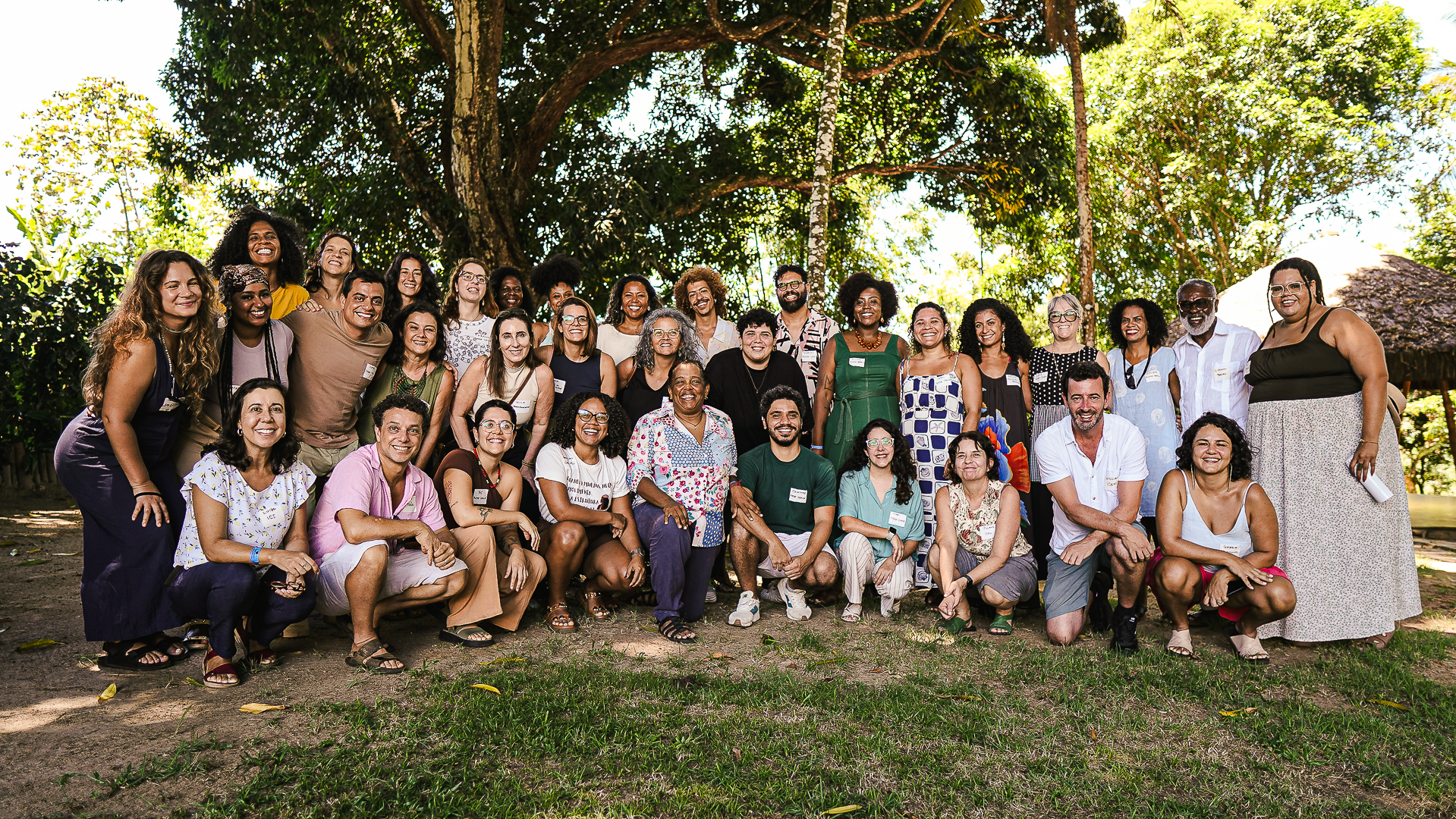
Rede Comuá realiza assembleia em Serra Grande (BA), com encaminhamentos sobre identidade institucional, planejamento e cuidado coletivo

Encontro marcou a primeira edição da assembleia da rede no Nordeste, com acolhida da Tabôa, debates estratégicos e experiências de cuidado em diálogo com o território

Know more "

Jész Ipólito
27 de March de 2026

Fundo Brasil completa 20 anos apoiando a sociedade brasileira na luta por direitos

O Fundo Brasil de Direitos Humanos celebra o marco histórico de R$ 130 milhões doados a mais de 2.300 iniciativas

Know more "

Jész Ipólito
18 de March de 2026

Visibilidade em Disputa: Sociedade Civil na Era Algorítmica

Know more "

Jész Ipólito
5 de February de 2026

E OS QUILOMBOS, “CUMÊ QUE FICA’? A URGÊNCIA DE UMA FILANTROPIA QUE RECONHEÇA ANTES DE TUDO AS PRÁTICAS ANCESTRAIS

Know more "

Jész Ipólito
5 de February de 2026

Fundo Casa Socioambiental recebe doação de Mackenzie Scott pela segunda vez 

Em entrevista à Rede Comuá, a diretora-executiva do Fundo Casa Socioambiental destacou a importância dessa doação em um contexto onde a organização completou 20 anos

Know more "