By Fernanda Lopes
It is well known that the climate crisis poses substantial risks to health, food production, water supply, ecosystems, energy, security and infrastructure. Although climate change affects the entire planet, a part of society is disproportionately affected by social, economic, political, environmental and sociocultural issues. Both crisis and change exacerbate existing inequalities and exclusions resulting from intersecting histories of colonialism, racism, oppression and discrimination.
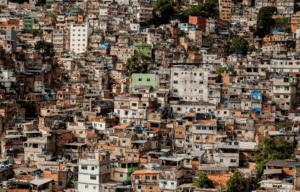
In Brazil, 82.5% of the population, estimated at 212.7 million people by IBGE in 2021, resides in urban areas. Urban space is segregated, and in areas characterized by housing in unsuitable conditions for housing and a lack of fundamental infrastructure services, the majority of the resident population is black.