


A Look at Women’s Activism in Brazil

To celebrate Philanthropy Month and demonstrate in data how women's activism is impacting the philanthropic ecosystem, ELAS+ Doar para Transformar launched, as one of the activities of Rede Comuá, the research For Feminist Philanthropy: A Look at Women's Activism in Brazil. The survey presents a profile of civil society organizations led by women, analyzing the contexts and main challenges faced by these initiatives.
Weaving a thread between the research of the first edition of the Saberes Program: Possibilities of Community Philanthropy in Brazil through Collaboration in a Network of Researchers
Community philanthropy represents a fertile field for social innovation, bringing together a variety of actors and organizations that come together to promote positive change in communities. The way in which the transfer of resources, whether financial, technical or intellectual, reaches the grassroots is, without a doubt, a component of great social impact. In this scenario, the strategic work of individuals and organizations, such as Associação Nossa Cidade, ICOM, FunBEA, ISPN, among others, gain prominence and connections through the Saberes Program, an initiative of Rede Comuá. These organizations, and especially these individuals, have dedicated themselves to social transformation and positive impact on their respective communities and territories.
The Territorial Alliance is born during the Month of Philanthropy that Transforms
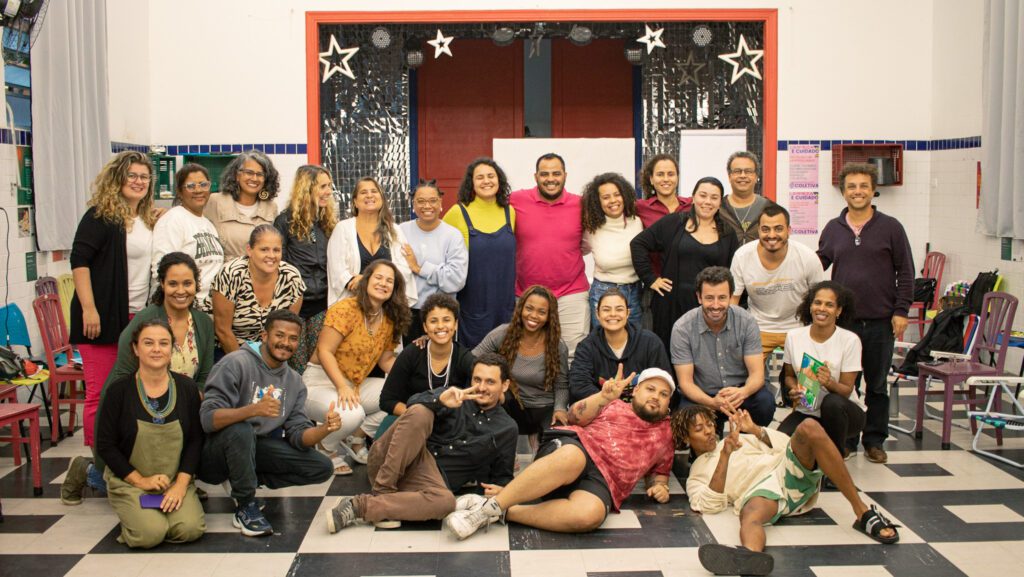
On the 4th, 5th and 6th of September, representatives from Casa Fluminense (RJ), the Brazilian Environmental Education Fund – FunBEA (SP), the Grande Florianópolis Community Institute (SC), the Baixada Maranhense Community Institute (MA), the Instituto Procomum (SP), Redes da Maré (RJ), and Tabôa Fortalecimento Comunitário (BA) met in Santos, São Paulo, to hold the first meeting of the Territorial Alliance to plan the future with a focus on community and territorial philanthropy. The meeting had the support of Rede Comuá, integrating the actions of the Month of Philanthropy that Transforms calendar, and served to create the action plan for 2024 and define expected results until 2026, with the facilitation of Luciana Martinelli and Bruna Mattos, from the consultancy Dialógica – Human and Institutional Development.
Brazil Donation Survey 2022: Reflections and Contributions of Community Philanthropy and Social Justice
In August 2022, IDIS (Institute for the Development of Social Investment) and Ipsos launched the Brazil 2022 Donation Survey, with the aim of bringing to light the donation landscape, which provides crucial information about the motivations, perceptions and expectations of donors and non-donors in the country.
This text aims to present some reflections on the research results, highlighting the aspects that caught our attention, pointing to gaps and future paths to deepen the study and its implications for the culture of donation in Brazil. Furthermore, we seek to offer a perspective on how community philanthropy and socio-environmental justice can contribute to this discussion.
Comuá launches mapping of independent donor organizations
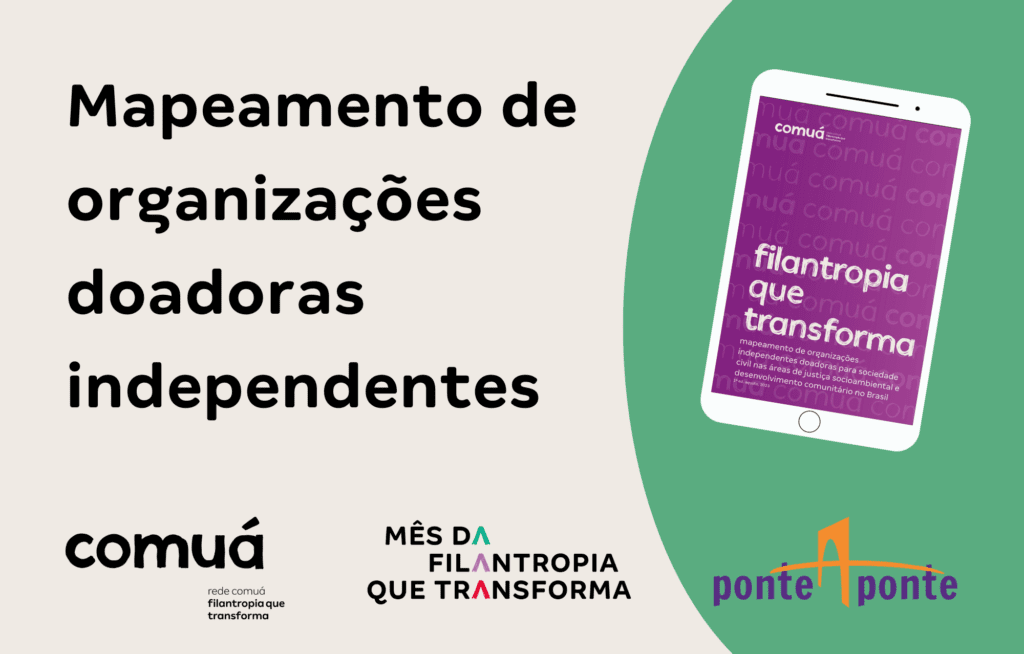
Rede Comuá, in partnership with pontAponte, launched, on September 5th, the publication “Philanthropy that transforms: mapping of independent donor organizations for civil society in the areas of socio-environmental justice and community development in Brazil”.
The online event was attended by 165 people, and had as guests Cássio Aoqui, from PonteAponte; Cristina Orpheo, from the Casa Socioambiental Fund; Gelson Henrique, from the PIPA Initiative; and Ese Emerhi, from the Global Fund for Community Foundations. The mediation was carried out by Graciela Hopstein, executive director of Rede Comuá.
Cerrado Day: how community philanthropy can help conserve the biome
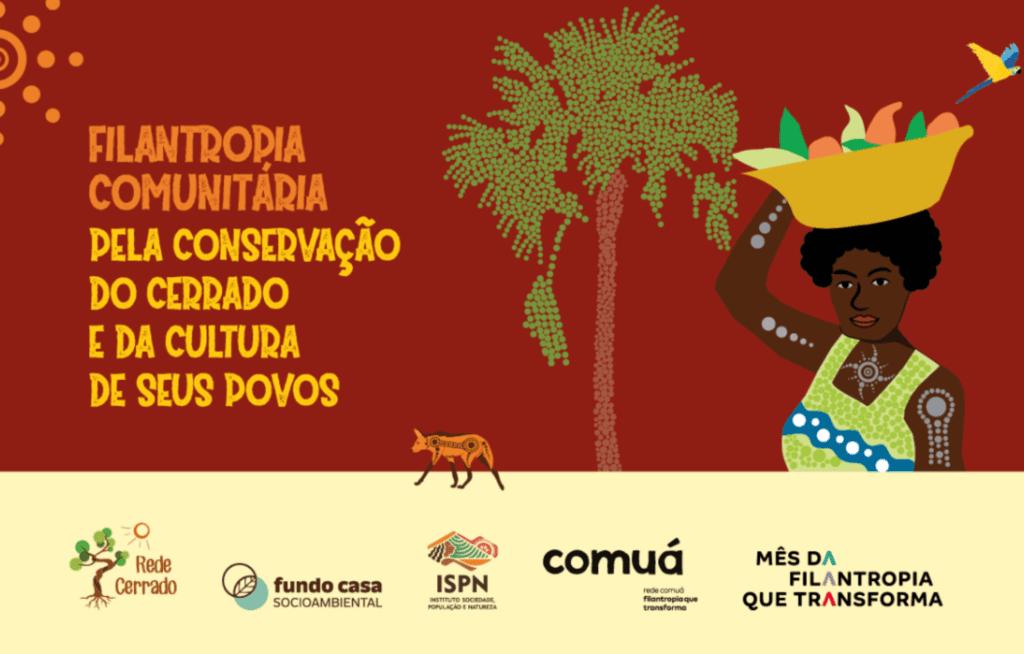
With the aim of debating and presenting practical examples of philanthropy for socio-environmental justice in the context of preserving the Cerrado, Rede Comuá, the Instituto Sociedade, População e Natureza (ISPN), Fundo Casa Socioambiental and Rede Cerrado will promote, on the 15th , the “Dialogue on the Importance of Community Philanthropy in the Conservation of the Cerrado and the Culture of Its Peoples”, during the X Meeting and Fair of the Peoples of the Cerrado, in Brasília.
Meeting discusses communication as a strategy for the defense of rights in the Amazon and Matopiba
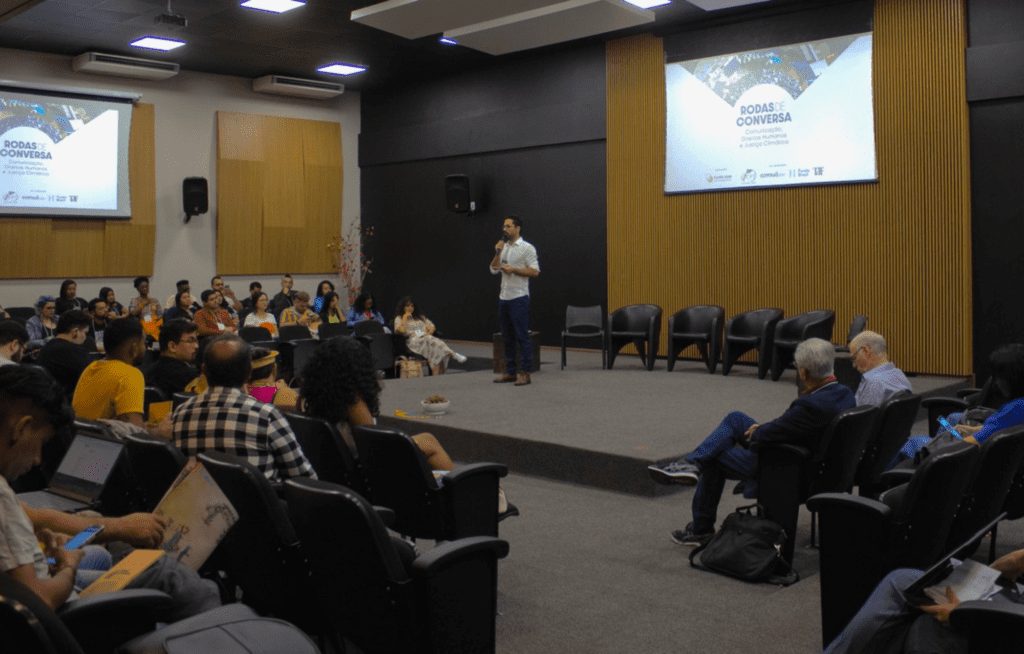
Communication is a fundamental human right. The movement for its recognition as such took place throughout the 20th century, as the flow of information began to become greater and greater. International organizations such as Unesco, with the so-called MacBride Report (also known as One world and many voices) began to recognize this right, which means guaranteeing that people should be able and able to express themselves freely, produce and circulate information.
In guaranteeing this right, there are economic, social and political issues that impose inequality in this place as well, limiting the conditions for all, all and all, to be producers and disseminators of information by concentrating the means of communication and economic resources.
English for Human Rights: A Contextualized Learning Experience
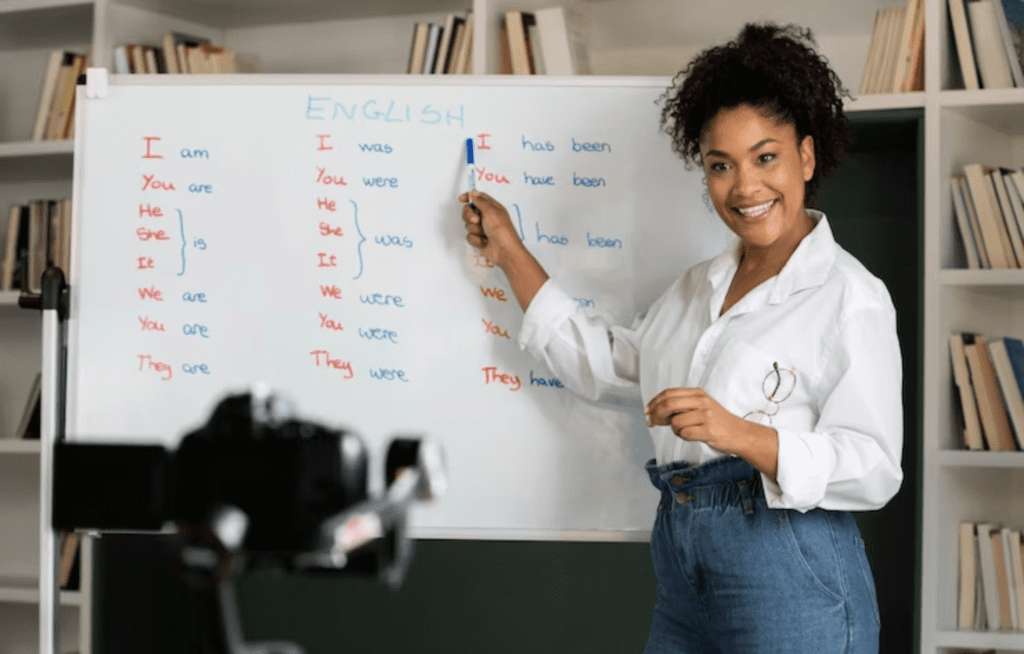
With the aim of improving the capacity of the Brazil Fund team for dialogue and advocacy at an international level, the course was held with the support of the Capacity Building Program of the Comuá Network
Professionals from the Brazil Human Rights Fund Project team took part in a course to improve their understanding and communication skills in English in a specific way: updating debates on human rights.
What happens when we see people within the organization?

Last year Baixada participated in the Comuá Network Capacity Building program. We could use many words to say what this program represents for our organization, but the one that makes the most sense is to see. It is a word that cannot walk alone, see and understand, see and invest, see and strengthen. Guimarães Rosa says that the flow of life wraps everything up and suddenly no more than suddenly in our field we are unwrapping processes and wrapping up people, organizations start to be bigger than the people who build them in their daily toil. Just as we prioritize the organization's electricity bill, we must prioritize people's energy. In this case it's not about keeping the power running with a payment to someone who provides the electricity, it's about building solidarity, recognition, acceptance and opportunity.
Let's decolonize philanthropy, yes!
This article is a response from Rede Comuá to the text published by João Paulo Vergueiro entitled “Decolonizing philanthropy is a concept that does not fit in Brazil”
Rede Comuá has been guiding the discussion on the decolonization of philanthropy for some time, both through published articles and debates held in various spaces, both nationally and internationally.
To position ourselves in the face of the thesis that decolonization is a concept that does not fit in Brazil, it would be enough just to mention the article published by Graciela Hopstein and Allyne Andrade in Alliance Magazine in 2022 and translated by Rede Comuá into Portuguese, published on the blog of Rede Comuá “The decolonization of philanthropy is advancing” .