


Medindo o que importa, um pemakna de cada vez

A Indonesia for Humanity (IKa) foi criada para apoiar os movimentos pró-democracia e os sobreviventes de violações aos direitos humanos. A organização foi criada por ativistas para apoiar outros ativistas com pequenos subsídios. Desde meados da década de 1990 até o início da década de 2000, dependíamos principalmente dos doadores. Mas quando a Indonésia começou a se democratizar, muitas agências doadoras que nos tinham financiado começaram também a abrir seus próprios escritórios na Indonésia e a IKa perdeu grande parte do seu financiamento. Em 2010, iniciamos uma nova jornada, fazendo experiências com a angariação local de fundos e a mobilização de recursos locais. Com o tempo, aprendemos que dinheiro não é o único recurso; diversos elementos intangíveis, como as redes que contribuíram para a evolução da IKa, também são recursos.
Challenges for philanthropy to become more transformative
In October this year, Rede Comuá participated in the Wings Forum in Nairobi, Kenya, a triennial event that brings together philanthropy networks from around the world to reflect on how to improve and make philanthropy more transformative. The event was attended by a wide range of actors in this field, from corporate philanthropy to community-based philanthropy, international, regional and local organizations.
A pioneering alliance for socio-environmental philanthropy in the Global South
From the center of the most progressive discussions about the direction of contemporary global philanthropy, a remarkable case of South-South collaboration emerges: the Alianza Socioambiental Fondos del Sur. The Alliance of Socio-Environmental Funds of the Global South (in Portuguese) is a pioneering network of local funds supporting community philanthropy operating in the Global South.
Climate finance, civil society and the rights agenda: reflections on community philanthropy
According to a mapping of independent donor organizations carried out by the Comuá Network in association with the pontAponte consultancy service, there are currently 31 organizations in Brazil supporting initiatives in the field of socio-environmental justice
Climate finance, civil society and the rights agenda

Traditional, indigenous, quilombola, riverside communities, communities on the outskirts of large Brazilian cities and political minorities in general are the social groups most affected by climate change.
Political organization of sector entities as a path to transformation
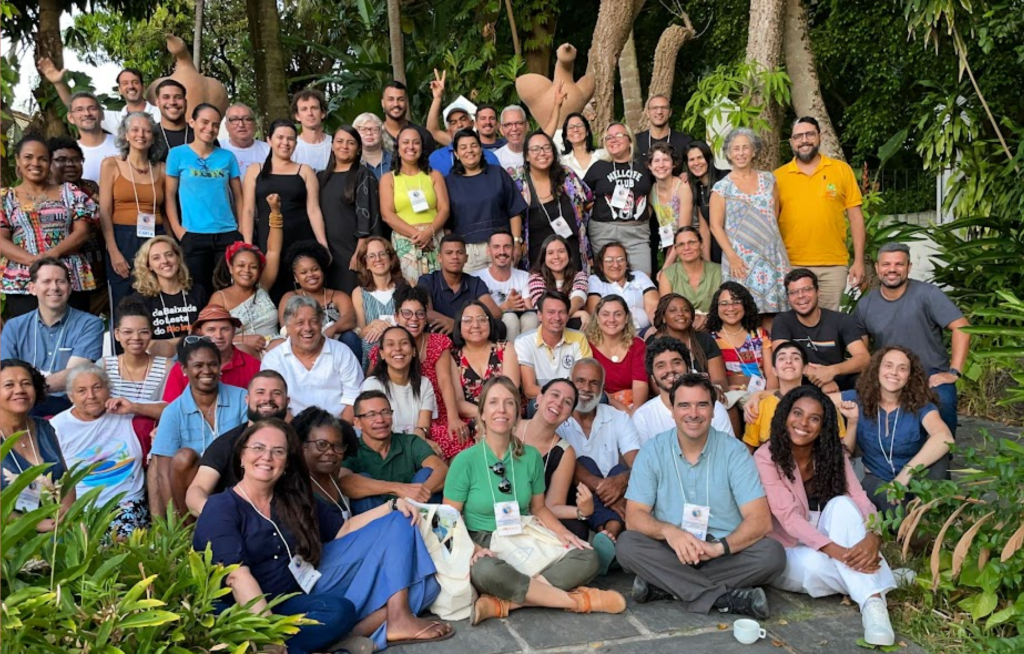
Between October 16th and 19th, Rede Comuá participated in the 2024 Inter-American Foundation (IAF) Grantee Meeting, held in Olinda, Pernambuco. Initially scheduled for 2020, the meeting was postponed due to the COVID-19 pandemic. In 2022, when we were slowly returning to (supposed) normality, an online meeting was held. It was only in 2023, after three years of waiting, that a new in-person meeting was possible.
Beyond the discourse: what is philanthropy’s real commitment to transformation?
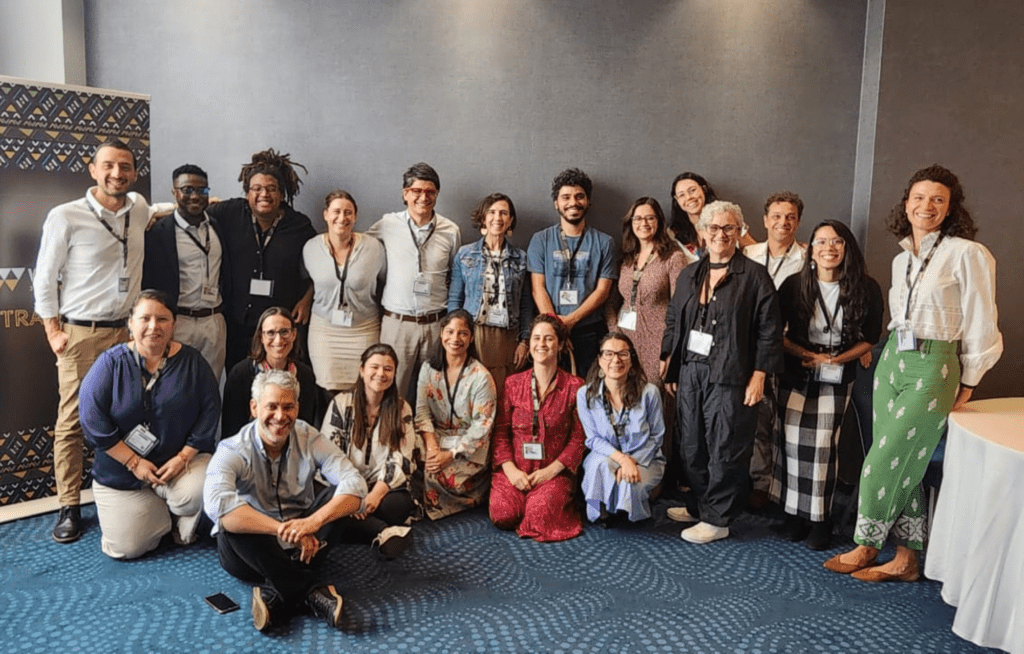
Between the 3rd and 5th of October, Nairobi, capital of Kenya, hosted the first WINGSForum post-COVID-19 pandemic. A global meeting of the WINGS philanthropy network, the event was co-organized by the African Philanthropy Network, also a partner of Rede Comuá under the Donate to Transform Program, and brought together 350 people from more than 50 countries under the motto “transforming philanthropy to transform the world".
The power of 'we': networking as a central philanthropic asset

For some time now, research in social sciences and humanities has stopped thinking about wealth and well-being only from an economic and financial point of view. There are several authors and trends that have come to indicate that there are different modalities and ways of classifying and considering what constitutes a comfortable, happy, safe and fulfilling life, according to the sociocultural context of each individual. Thus, in a country like Bhutan, where per capita income is much lower than that of the richest nations in the world, on the other hand, the happiness index of its population is considered the highest, even being the most relevant aspect to be considered. measured by the Bhutanese State.
Popular education as a space of possibilities: the role of Casa Fluminense in the emancipation of knowledge
Starting a conversation, or rather, continuing an old conversation that started when I chose the Pedagogy course. This happened in 2006 and during my undergraduate studies what enchanted me most was popular education, which I call human education.
Indigenous and black ancestral practices and community philanthropy in the Americas
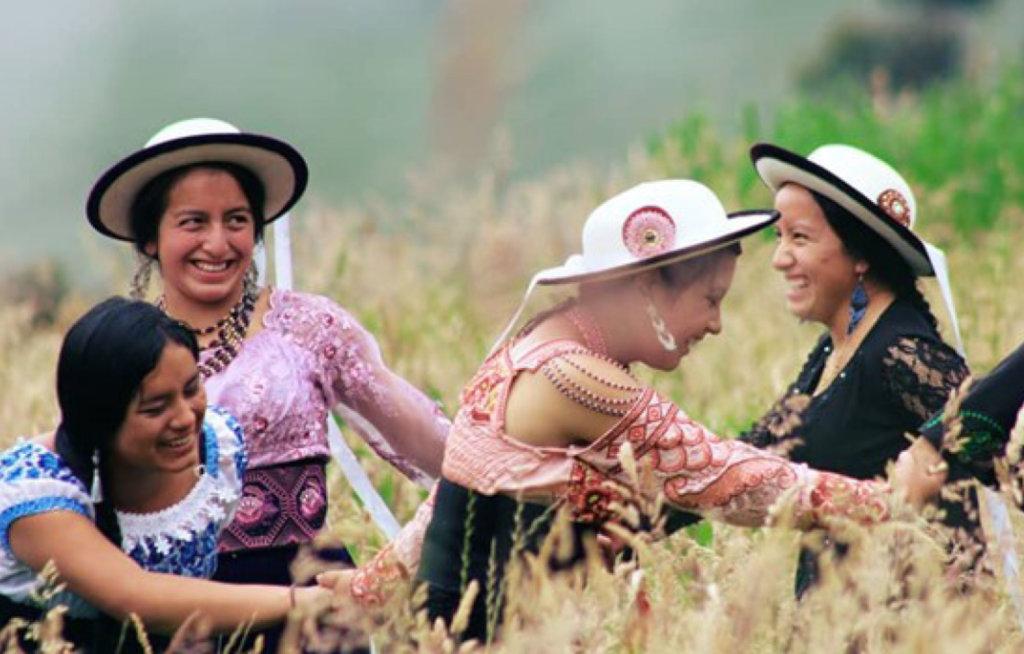
For centuries, communities in Latin America and the Caribbean have promoted practices of mutual support. Strengthening mutual trust, organizing assets and building capacity helps people adapt to changing conditions and opportunities, forming the basis of a growing global practice called community philanthropy, which seeks to achieve lasting results that matter to communities, organizations local civil society and donors.