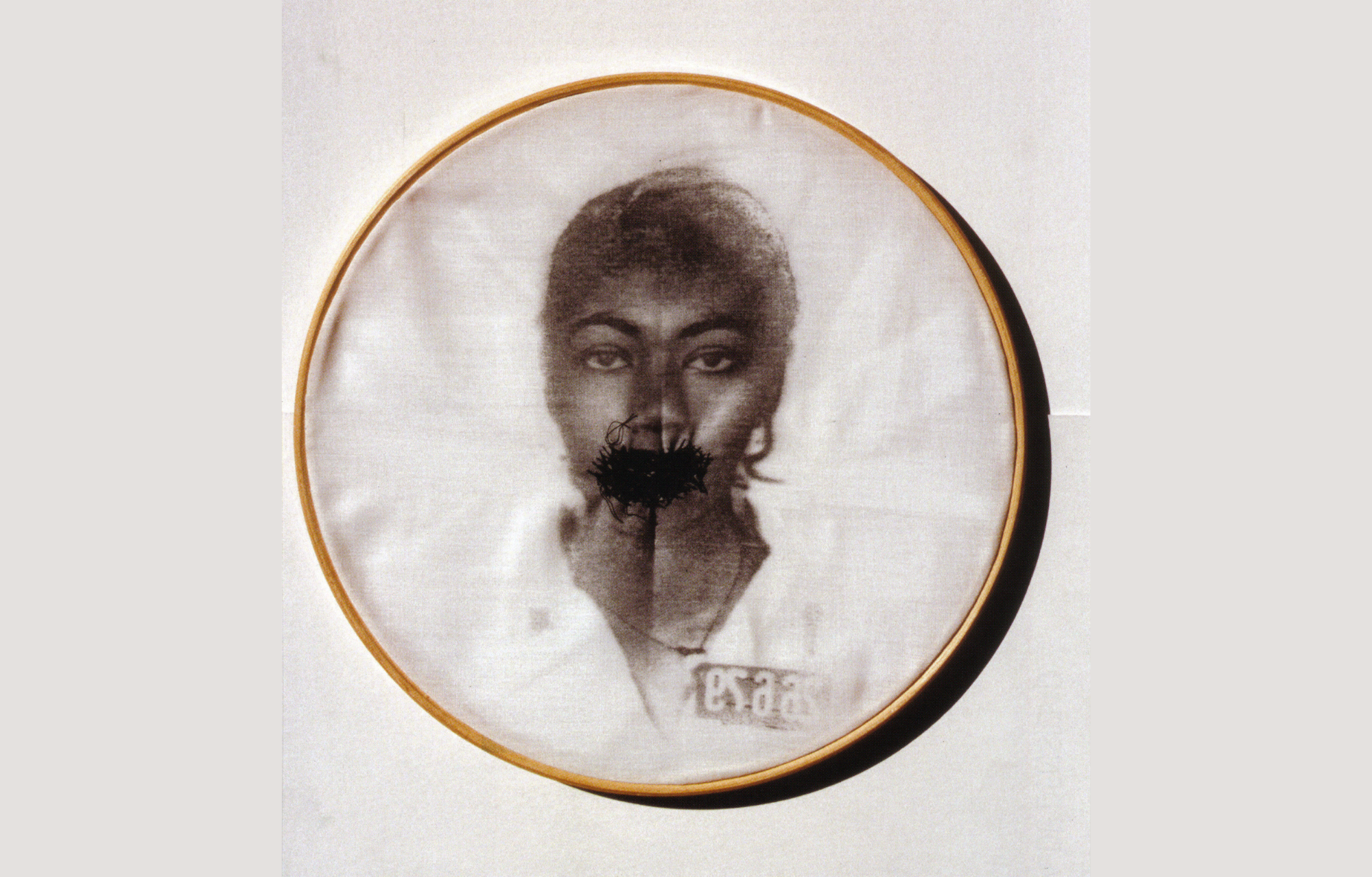
Reproduction / Rosana Paulino / Backstage, 1997. Image transferred onto fabric, frame and sewing thread. 30 cm diameter
By Jész Ipólito and Thânisia Cruz
Philanthropy is presented as a strategy that transforms the idea of donations into a notion of social investment capable of driving transformational actions for communities and groups in vulnerable situations. Despite its recent contributory role to democracy, philanthropy is permeated with colonial aspects in the distribution of resources around the world, which creates challenges for beneficiaries. This is what we understand in the article “Is the Decolonization of Philanthropy advancing?”, written by Allyne Andrade e Silva It is Graciela Hopstein, to the Common Network.
With this context, experiences lived by clubs, associations, fraternities and black personalities seem to cause surprise when confronted with the universe of philanthropy.
In 2019, Tyrone McKinley Freeman wrote about “Black Donations Over the Years”, where he reported countless cases of black people who made donations to abolitionist, educational and social justice causes in the United States since the 19th century. This donation model generated and distributed within black communities continues to exist. However, it appears that it now occurs on a much larger scale. Thus, what was once accomplished but unnamed and sometimes done in secret to ensure the safety of black people has become Black Philanthropy Month, celebrated in the United States in August.
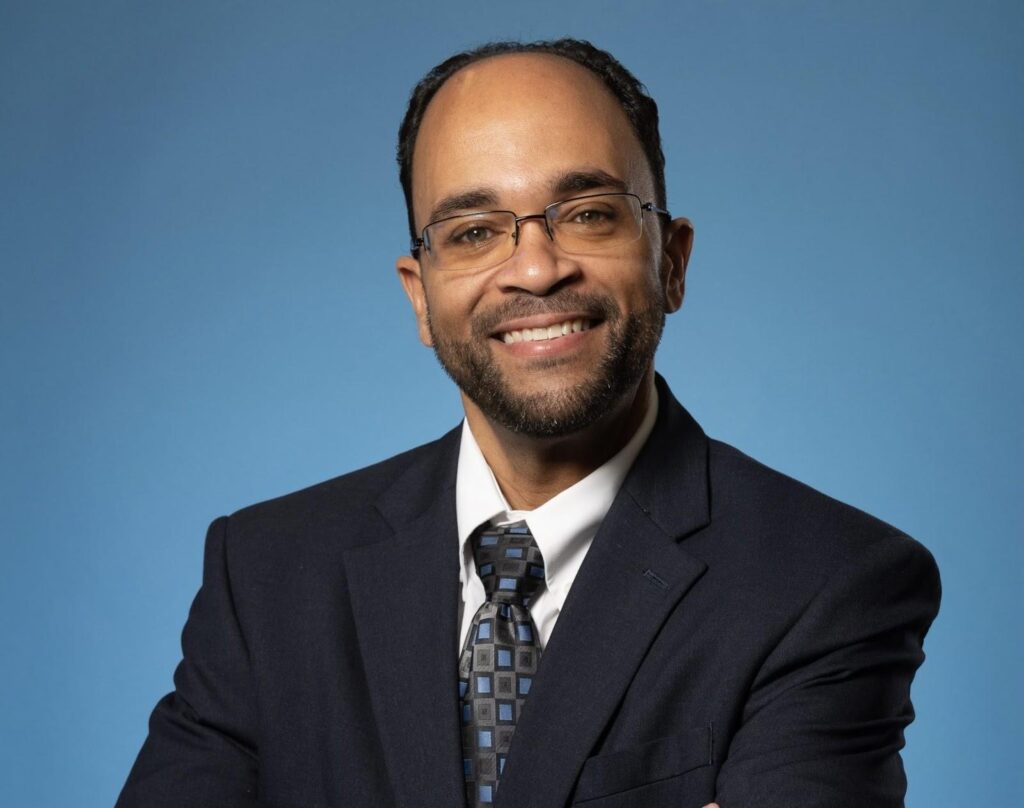
In one of the references on the topic, we record that Black Philanthropy Month was created, in 2001, by Dr. Jackie Bouvier Copeland, founder of The Women Invested to Save Earth Fund (WISE), current incubator of the black philanthropy program. Over the years, fourteen campaigns have been carried out addressing this topic, the first being in 2006, “Black Women Doam: Towards a Global Movement”, deeply emblematic of this sequence of reflections raised by Rede Comuá, in September 2023.
At the Transformative Month of Philanthropy, Rede Comuá embraced numerous debate initiatives, webinars, research launches, in-person and online activities throughout the month. It was in this context that the online event led by black women on the field of philanthropy in Brazil took place and it is these inputs that will be presented in this sequence of two articles.
Black philanthropy in Brazil
If we are interested in analyzing intra-community donations in Brazil from the perspective of the associative actions of the black population, we can also look at the arrangement made by writers, greengrocers and religious groups who paid for the manumission and education of their peers. However, when it is nominally constituted as black philanthropy, it takes place in a different way and has more recent aspects of action.
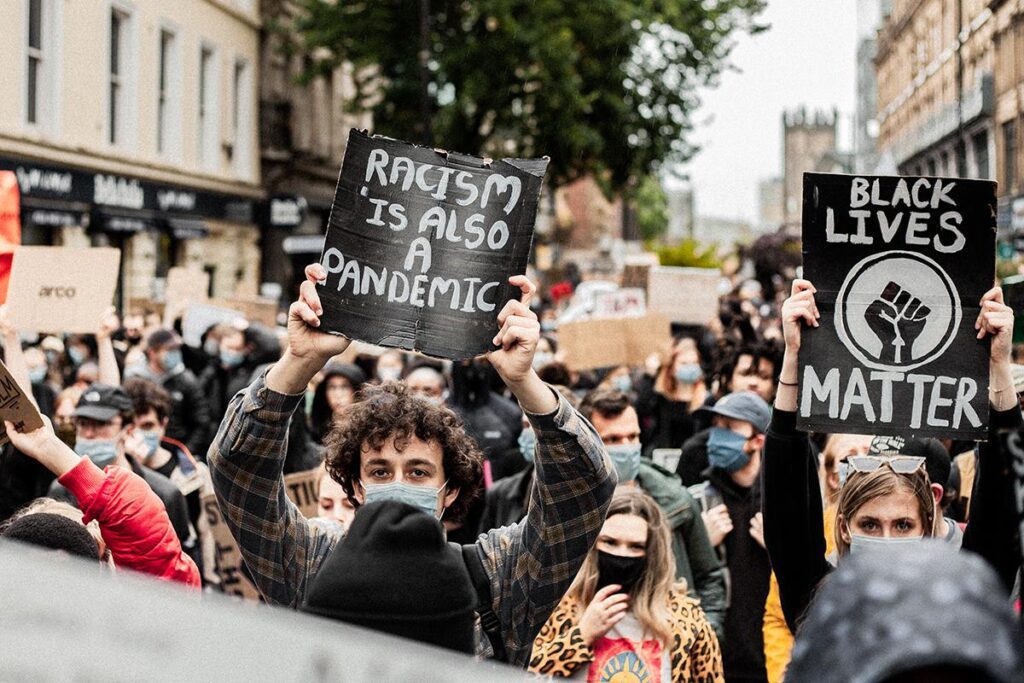
In terms of inequality and racial conflicts, Brazil and the United States have common experiences and this is how black philanthropy reaches Brazil with greater affluence after the global repercussion of the murders of Ahmaud Arbery, Breonna Taylor It is George Floyd in 2020, as a result of the rapprochement of organizations from both countries that collaborated to build racial equity.
In Brazil, aspects of this black philanthropy take a turn in other ways. If in the political angles of freeing black people and carrying out social movements, black communities need to develop as self-sustainable, in raising and distributing their donations, within the scope of promoting black philanthropy, the black Brazilian population does not have enough assets to see and make the funds rotate according to the past.
Which is also not an inference that there is comfort in carrying out black philanthropy in the United States, as the country's black population is 12.5% and has only six black billionaires (Forbes, 2020) also cited as philanthropists on different occasions. This means that, even if there are community actions or people with incomes that allow million-dollar donations, the effort to achieve equity through social investments can be considered negligible.
As a result, what we call “Black Philanthropy Month” in Brazil is probably the repercussion of the presence of few black managers working in social investment funds indicating the paths for resources. In other words, financial contributions for black philanthropy reach black organizations in a limited way and are not managed in their entirety by black people at their sources, leaving civil society organizations to remain in a state of fragility. Especially collectives and organizations from the north and northeast regions.
At this moment, in Brazil, this precariousness in carrying out development in a democratic way and looking at who knows how the resource can be used adds other political demands of our time such as, for example, the conception of autonomy not achieved when the dynamics of the resource is colonial. , as was pointed out in the text by Allyne Andrade.
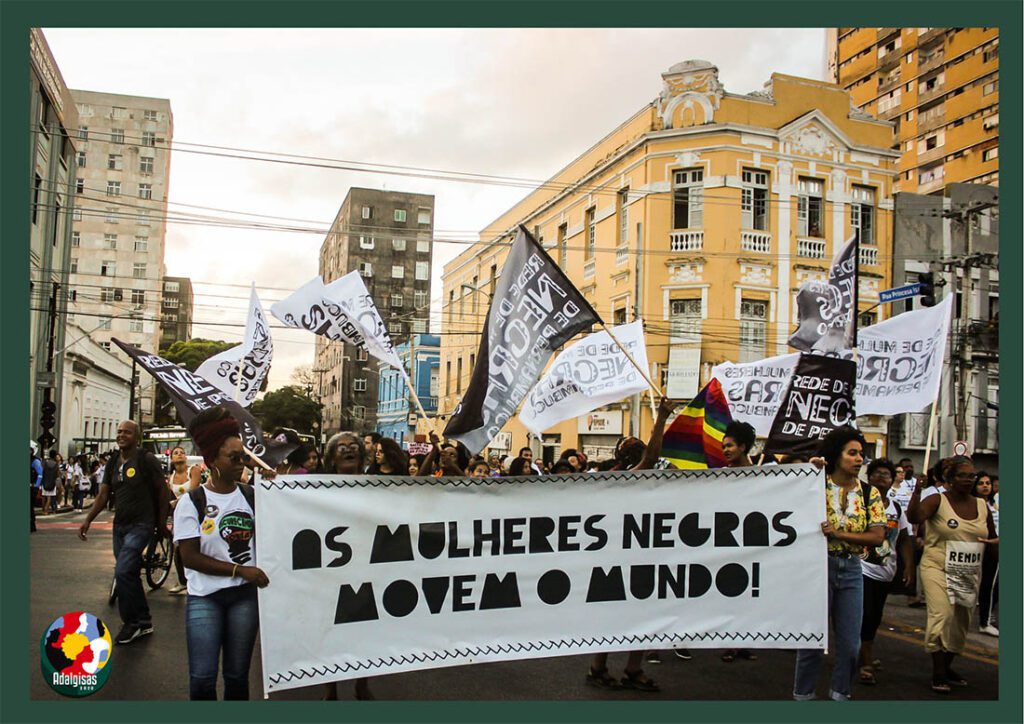
Furthermore, the report 'Where is the Money for black feminist movements?' prepared by Black Feminist Fund, presents crucial data for an in-depth analysis of the situation of black women's organizations and groups on a global scale. Only a tiny portion, ranging between 0.1% and 0.35%, of donations made by foundations around the world is directed to black women, girls and trans people. This reveals an alarming disparity in funding for initiatives led by black women. Regarding annual budgets, it is important to highlight that more than 60% of black feminist entities operate with annual budgets of less than 50,000 dollars, highlighting the scarcity of essential resources to carry out their crucial mission. 81% of these black organizations do not have enough resources to achieve their goals.
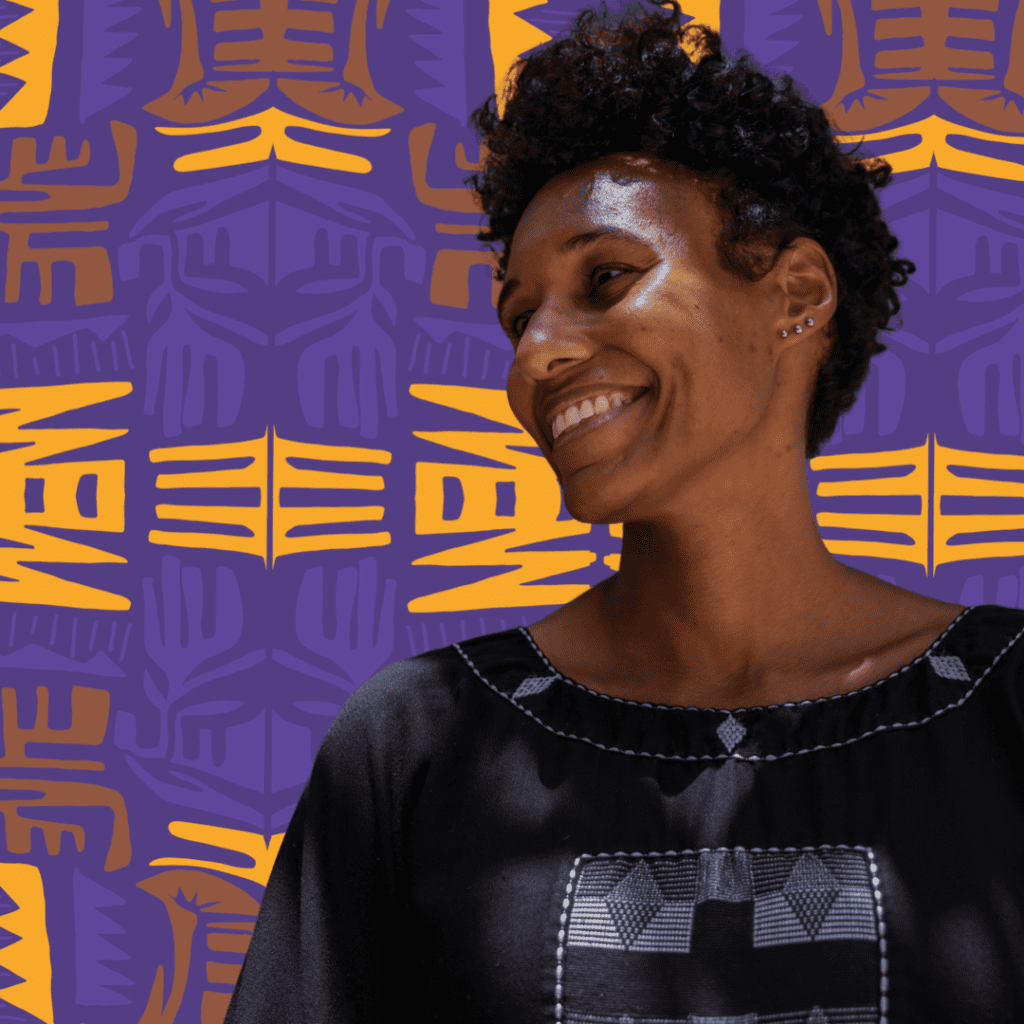
The co-founder of Black Feminist Fund, Hakima Abbas, calls us to think collectively about the global scenario of philanthropy for black women, highlighting feelings unique to black feminist groups: pain, frustration, exhaustion and permanent resistance. The report serves as an instrument of opportunity to reflect and act towards anti-racism, in practice, in the development of a culture of donation and philanthropy from those who know what needs to be done. In this sense, black philanthropy in Brazil faces challenges contained in a global context of inequality and lack of funding for initiatives led by black women.
Black women's organizations in dialogue about black philanthropy in Brazil
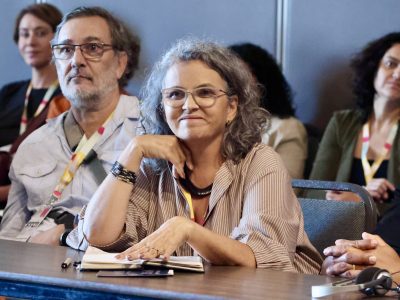
Given the differences in philanthropy that keep us black, the objective is to listen to what the reality of black women points out to us. We seek philanthropic activity where we can go beyond where we are, using more effective resources and governance that allows us to be who we are, without the need to adapt our content to fit into a philanthropy that distances itself from us. In this context, the experiences shared by Valdecir Nascimento, Halda Regina, Durica Almeida, Maria Malcher It is Terlucia Silva during the online meeting “Narratives of black women about the field of philanthropy in Brazil” on September 25th of this year, they revisit essential issues related to black philanthropy in Brazil.
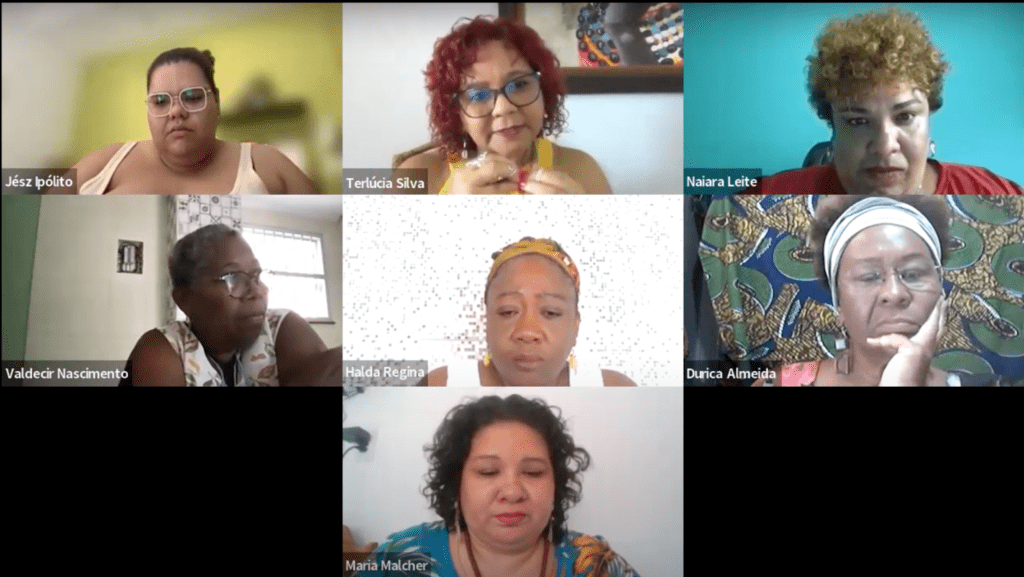
Difficulties in fundraising, dependence on national notices, the importance of flexible resources and the appreciation of black culture are themes that permeate the discussion on how to direct philanthropic efforts more effectively. Furthermore, the emphasis on political formation, black women's activism and passing the baton to youth reveals the need for inclusive and progressive approaches in philanthropy aimed at black organizations in the north and northeast of Brazil. In the next article, we will explore the specific reality of philanthropy for these organizations, highlighting the particularities of the regions and the strategies to overcome the challenges they face.
NOTE: This article is part of the results of the research project “Narratives of Black Women about the field of Philanthropy in Brazil: future perspectives from the North and Northeast” by scholarship holder Jéssica Ipólito within the scope of Comuá Network Knowledge Program.
AUTHORS: Jész Ipólito is a scholarship holder of the Saberes Program, a black feminist activist and communicator & Thanisia Cruz She is president of the NGO #ElasNoPoder and coordinator of the Katendê Project.