By Daniela Almeida, Mariana Rodrigues, Mayana Nunes and Thaina Mamede
With the aim of improving the capacity of the Brazil Fund team for dialogue and advocacy at an international level, the course was held with the support of the Capacity Building Program of the Comuá Network
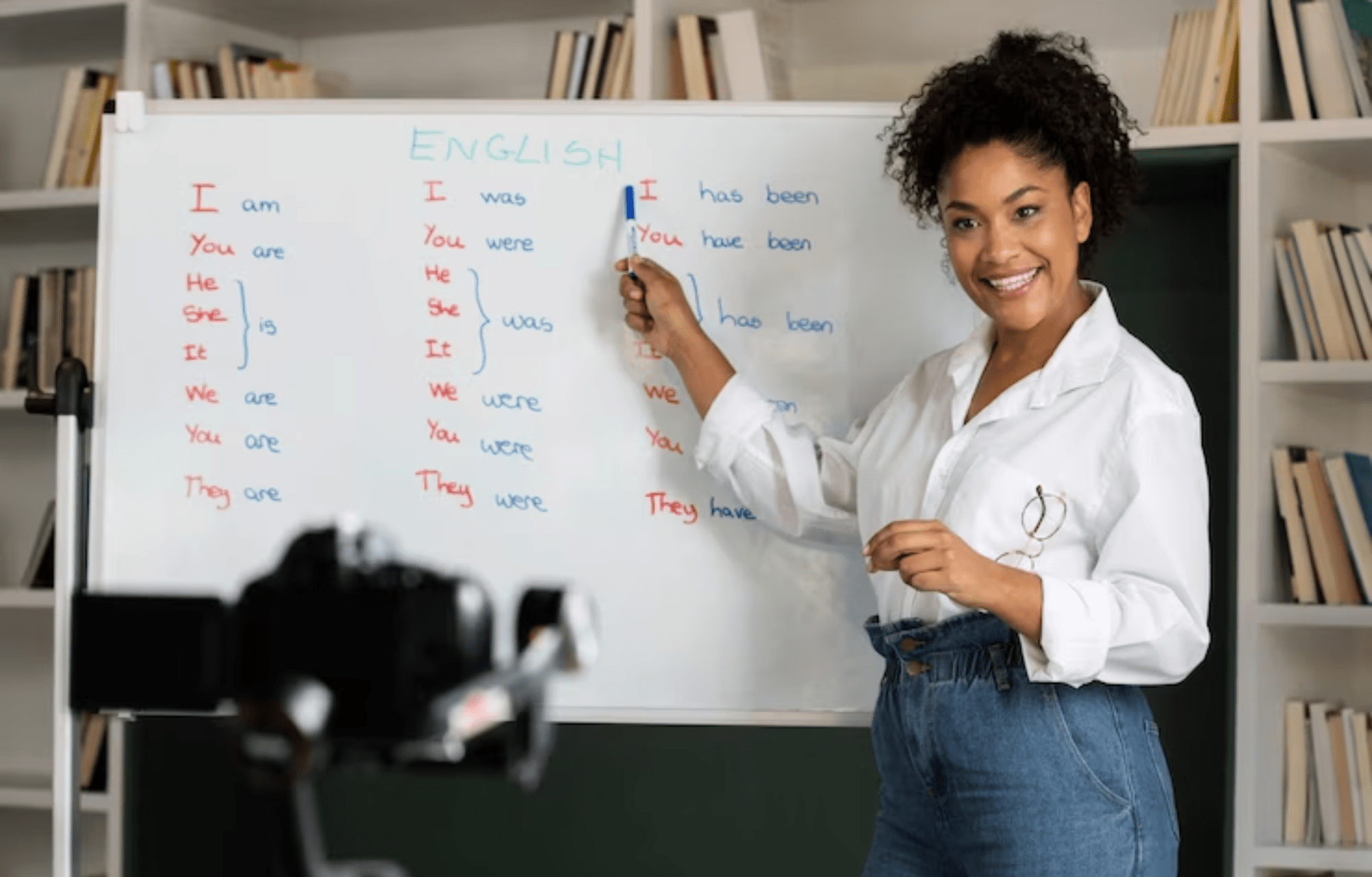
Professionals from the Brazil Human Rights Fund Project team took part in a course to improve their understanding and communication skills in English in a specific way: updating debates on human rights.
With the aim of responding to needs for updating and deepening debates in this field, the course was made possible by the Capacity Strengthening Program of Rede Comuá. The training was designed specifically for advisors who work directly in the dialogue and monitoring of organizations, collectives and activists that are supported by the Brazil Fund.
The strategy of combining in-depth discussions on human rights with learning the English language meets the objective of improving the team's capabilities for dialogues with actors in this field also at an international level. In this way, strengthen the philanthropy model applied by the Brazil Fund.
The Brazilian Human Rights Fund is part of Rede Comuá and understands philanthropy as an agent supporting popular, collective and autonomous processes of fighting for fundamental rights and seeking social transformation.
The Rede Comuá Capacity Building Program is an initiative to strengthen relevant capacities for member and partner organizations. In this way, it contributes to the recognition and relevance of the field of community philanthropy and social justice in Brazil.
How was the course
To improve its ability to discuss philanthropy and human rights in English, the Brazil Fund sought a course with a personalized approach to the needs of the work carried out by the foundation. Specific vocabulary and discussions on topics such as democracy, human rights, confronting racism, racial theory, the environment, use of neutral pronouns and the rights of the LGBTQIA+ population made up the course content at the Soweto School of Languages.
Walter Paim, professor, creator of the Soweto methodology and approach, explains that the classes were developed based on a pedagogical approach that prioritized
intersection between teaching English and social awareness. “The content of the course was
carefully planned to incorporate elements of racial inclusion, gender diversity and sexual orientation, as well as relevant sociopolitical topics”, highlighted the professor. “I used a variety of resources, including authentic materials, literary texts, videos and structured discussions.”
The course lasted six months. English practice focused on expanding vocabulary, writing and speaking.
The teacher indicated positive results in the development of course participants. “The interdisciplinary approach not only broadened students’ understanding of social issues, but also boosted their linguistic development. Through analyzing relevant texts and expressing opinions on important topics, students significantly improved their communication skills in English”, he assessed.
For the participants, it was an inspiring and provocative experience, which strengthened their critical sense for reading the current social context.
The personalization of learning contributed to technical training and to having more security in debates and advocacy spaces, assesses Project advisor Thainá Mamede. In this sense, the process of strengthening the team's capabilities strengthens the work of the Brazil Fund itself. The opportunity opens up ways for the team to contribute to expanding partnerships and searching for philanthropic investment opportunities aimed at social justice.
The Brasil Fund Superintendence advisor, Daniela Almeida, says that at the end of the six-month course, she feels more confident in dialogues in English and has expanded the specific vocabulary necessary for professional work. “I also delved deeper into topics of interest to me within the Brazil Fund’s human rights agenda”, he adds.
Mayana Nunes, Project advisor, states that she feels more secure and confident when dealing with issues related to human rights. “This is in a language I’m not native to. This was the first time I had the experience of learning English in a contextualized and thought-provoking way. I renewed the pleasure of studying English”, he said.
Participation in this activity was made possible by the Professional Capabilities Strengthening Program, within the scope of the Comuá Network Strategic Support Program, whose objective is to support the development and strengthening of the professional skills and capabilities of technical staff from member organizations, expanding and deepening their knowledge and strengthening its activities in the fields of community philanthropy and social justice.