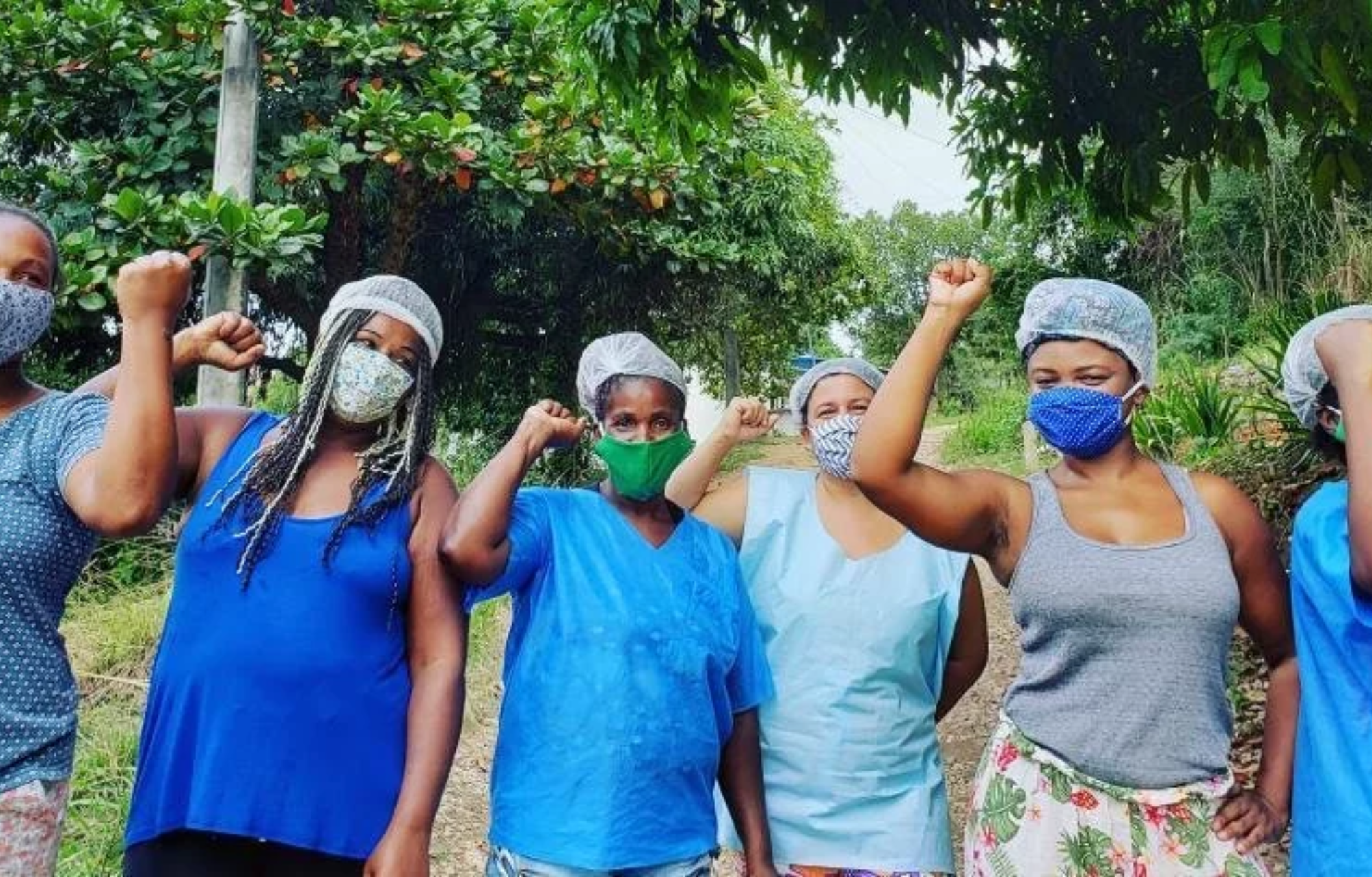
Baobá Fund notice selected 350 projects across Brazil to support actions to combat coronavirus contamination
Thousands of families benefited directly and indirectly from the Baobá Fund's notice to enable preventive actions to combat coronavirus in vulnerable communities. During the 12 days it remained open, 1037 requests for support were received. In the three lists published, Baobá selected a total of 350 projects – 215 from individuals and 135 from organizations.
Of the 135 organizations that received support from Baobá, the oldest dates back to 1938, while the newest was founded in 2020. Regarding the coordination profile, 74 organizations have women as the majority, while 49 have a balance between men and women. Regarding racial composition, 77 supported organizations have a black majority, while 37 have a balance between black and non-black people. The selection took details into account, as all those who signed up are extremely active in their regions and play an important role in empowering people – especially at this time of pandemic.
Among the 215 individuals selected, 195 are black and 10 are indigenous. Among them, there are 139 women and 75 men. The state with the most selected supporters was Rio de Janeiro, with 49 individuals, followed by Bahia (39) and São Paulo (24).
Among the initiatives chosen were the production of homemade soap and the delivery of basic hygiene kits and alcohol gel to the creation of masks for health workers, therapeutic and psychological support, as well as guidance in the care of newborns, leaving them less exposed to the disease.
Projects such as production and translation into indigenous languages and actions with Haitians, focusing on health education, with risk prevention, as recommended by the World Health Organization (WHO), also stood out. Homeless people, prostitutes, indigenous people, quilombolas and projects from distant regions across the country were covered, as the notice was not restricted to large centers.
“Pandemics worsen pre-existing inequalities, such as difficulty in accessing prevention supplies, accurate information and health services. So, initiatives that look at specificities and help transform this reality are essential”, explains Selma Moreira, executive director of Fundo Baobá.
Emergency donations amounted to R$ 2,500. Three lists were released in a space of less than 30 days. In general, those selected waited an average of 15 (fifteen) days for the amount to be credited to the current accounts indicated when submitting the notice. “Due to the urgency and need to support the communities, the Baobá Fund made the transfer possible in record time”, says Selma.