By Mônica Ribeiro
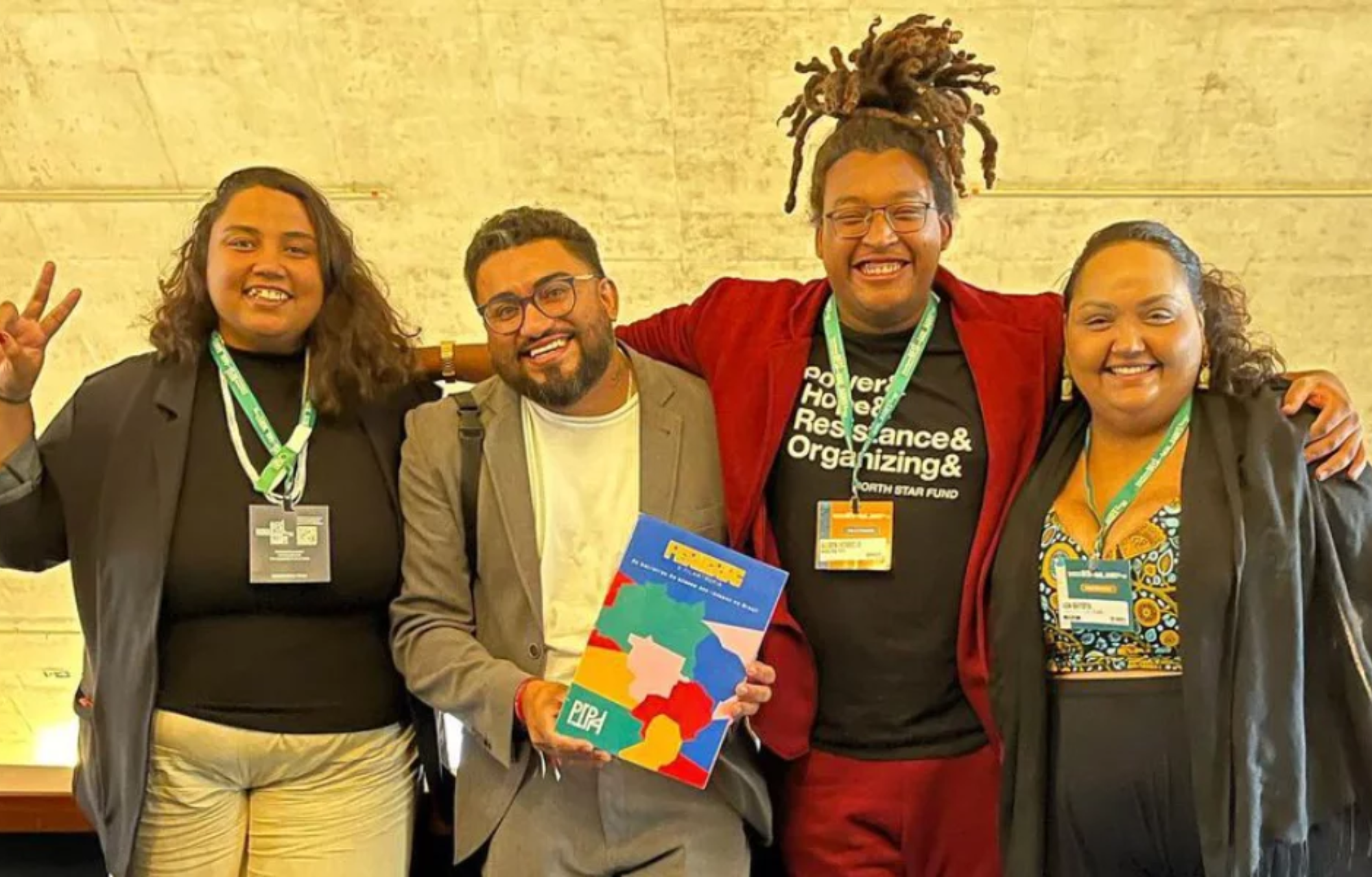
The PIPA Initiative launched, in March this year, the research Peripheries and Philanthropy – barriers to accessing resources in Brazil. Carried out with support from Instituto Nu, the work aims to analyze the decentralization of private resources to enable actions and projects for those at the cutting edge.
The material is also part of the project developed by Marcelle Decothé, co-founder and advisor of the PIPA Initiative, as a fellow of the Saberes Program, from Rede Comuá.
The data is representative of a universe of 607 responses from managers who work on the front lines in Brazilian outskirts to guarantee basic rights, quality of life and opportunities in communities.
The research reveals that almost half of the initiatives surveyed, 46%, did not obtain resources to carry out their activities in the last two years. And 31% of them worked for less than R$ 5 thousand a year.
Among the challenges encountered by the initiatives in managing their projects, 72% responded that they needed more knowledge of financial management; 56.5% consider the conditions of accountability urgent, which they consider too bureaucratic.
The majority of organizations (41.8%) are collectives that, despite being active in their territories, do not have official registration/CNPJ.
The results also show that 74% of the people who work in the projects are black people, and 78% of the people benefiting from the projects are also black.
Women on the front line of social transformation actions in the country total 68%, but can reach 68%, as they are also present in other categories researched by PIPA, such as LGBTQIAP+.
“We brought evidence so that philanthropy can be rethought from these people, from our perspectives, to show that there needs to be a new strategic planning for the ecosystem, new trends, so that it takes account of the Brazilian reality”
“We brought evidence so that philanthropy can be rethought from these people, from our perspectives, to show that there needs to be a new strategic planning for the ecosystem, new trends, so that we can take account of the Brazilian reality”, analyzes Gelson Henrique , co-founder and executive coordinator of the PIPA Initiative, who spoke to Rede Comuá about the research:
What is the motivation for doing the research?
The need for research arises when, in 2019, PIPA begins to be thought about and we begin to understand that the field does not look at the periphery with the importance that we understand it has for social transformation in the country. And the data we studied talked a lot about philanthropy and little about the relationship between philanthropy and the periphery. But we live and realize that, around us, all the people and organizations live with very little resources or nothing at all. So we decided to do this research to have empirical data so that we can understand this reality and carry out these disputes in the field.
What are the biggest finds?
There are many findings in this research that are important to take into consideration, but I would highlight that 1/3 of the peripheral organizations that responded to this survey live on less than R$ 5 thousand reais per year, and this came from a sample of 607 organizations. 89% of the management teams have another job, so when we talk about peripheral areas, about organizations, we are talking about double working hours. If they are women, triple shifts. If they are mothers, quadruple shifts. These are very alarming data. And in 58% of these organizations, all the people are volunteers. This is very important to look at.
What impact can it have on the philanthropic ecosystem?
It has every possibility of impacting philanthropy because we brought evidence so that philanthropy can be rethought from these people, from our perspectives, to show that there needs to be a new strategic planning for the ecosystem, new trends, so that it can happen account of the Brazilian reality.
And the impact on peripheral organizations and movements?
For peripheral organizations, this data is important to use in projects and narratives about the importance of the national impact that peripheral areas have. This is data that can be used in a very strategic way by peripheral organizations and managers when raising funds, or even to show the relevance of their work. Because there are still many people who say that the work that the peripheries have been doing is not that relevant.
How does this research return to the organizations that participated in the mapping?
We returned to these organizations what was found, what the data was. And we are consolidating a PIPA network strategy, based on these organizations, to make them also move and make more people aware of them. We are also strategically disseminating to our networks the actions that these organizations have been doing, what they work with, in order to increase their visibility. And seeing, in the area of programs, a strategy to make partnerships with these organizations effective and very widespread.
What are the next steps for PIPA’s work?
We launched this research in March, and we have already had a great impact with public authorities and the philanthropy sector itself. What we are thinking about in the next few moments is doing a little more, doing some other research, producing knowledge, but we are also thinking about training and strategies for organizations on the periphery. And we are consolidating advocacy strategies and dissemination of this data. PIPA is this great articulator that encourages the infrastructure debate in the countryside from the outskirts.